 Sudden Valley Siding
 Exterior Work in Deming: A Rural Corner of Whatcom County
Deming sits along the Mount Baker Highway corridor in Whatcom County, a wooded, rural stretch between Bellingham and the foothills leading up toward Mount Baker. It's a different setting than the denser neighborhoods closer to town — bigger lots, more tree cover, homes that back up to timber or sit near the Nooksack River drainage. That setting shapes exterior work here in specific ways, and it's part of why we treat Deming as its own service area rather than an afterthought tacked onto a Bellingham route.
We're Sudden Valley Siding Replacement, and we handle siding, roofing, windows, and decks for homes throughout this part of Whatcom County, Deming included. On siding, we install James Hardie fiber cement exclusively. That's a professional standard we hold to on every job, not a preference we bend for a lower bid.
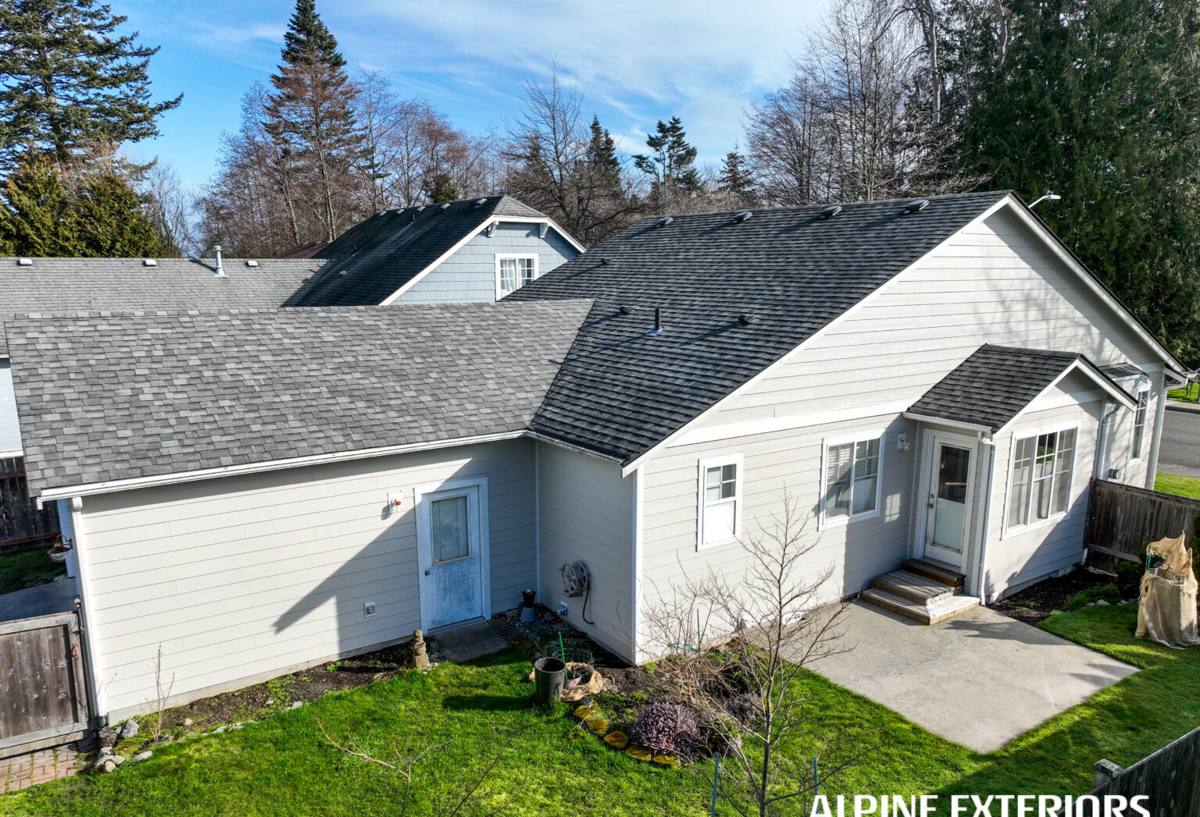
What the Climate Does to Homes Out Here
Salt Air, Even This Far Inland
Whatcom County's proximity to Puget Sound means salt-laden air works its way inland further than a lot of homeowners expect, accelerating corrosion on fasteners, flashing, and any exposed metal trim. It's less pronounced than at the immediate coastline, but it's still a real factor in material selection and detailing, and it's one reason we don't treat every job in the county the same way a generic national contractor might.
Driving Rain and Valley Moisture
The Nooksack River valley and the terrain around Deming hold moisture differently than open, flat ground. Rain driven by wind off the foothills can hit walls at an angle rather than falling straight down, and low-lying or shaded sections of a property tend to stay damp longer after a storm passes. Siding and trim that can't shed water efficiently, or that absorbs moisture at the seams, is working against the grain of this climate from day one.
A Long Moss Season
Heavy tree cover, filtered sunlight, and persistent dampness add up to a moss and mildew season that runs longer here than in more open, sun-exposed parts of the county. North-facing walls and anything shaded by surrounding trees are the first places we look when inspecting an older home in Deming, because that's where organic growth and the moisture damage that follows it tends to show up first.
Why We Only Install James Hardie
We used to offer a broader range of siding products. We narrowed that down to one system after years of tear-offs, service calls, and inspections across Whatcom County made the pattern obvious: some materials hold up to this climate, and some need a level of ongoing maintenance most homeowners don't sign up for when they picture a "done" exterior project.
- Non-combustible core: Fiber cement doesn't feed a fire the way wood-based siding can, which matters for both safety and insurance considerations.
- Factory-applied ColorPlus finish: The color is baked on under controlled conditions at the factory, not brushed on in the field, which holds up longer against UV and moisture than a jobsite-applied paint job.
- Climate-engineered HZ5 product line: Hardie's HZ5 formulation is built for regions with the moisture exposure and freeze-thaw cycling common in the Pacific Northwest, rather than a warmer, drier climate zone.
- Dimensional stability: Fiber cement doesn't swell, cup, or warp the way engineered wood products can when they take on moisture — a meaningful advantage in a shaded, damp setting like Deming.
- Strong transferable warranty: When installed to manufacturer spec, Hardie's warranty structure is one of the stronger ones in the industry, and it transfers if the home sells.
We don't install LP SmartSide, vinyl siding, Cemplank, Allura, primed spruce, or cedar. Each has a place in the market and each has homeowners who like what they bought. But we've made a professional call: given the moisture load and moss season we see year after year in this part of Whatcom County, we'd rather stand behind one system we trust completely than offer several we'd have reservations about recommending.
How a Siding Replacement Works in Deming
Assessment and Tear-Off
Every job starts with a walk-around inspection, checking for soft spots, water staining, and areas where the old siding may have let moisture into the wall assembly. Once tear-off begins, we inspect the sheathing and framing underneath — this is where hidden damage from years of trapped moisture often turns up, especially on homes with mature tree cover shading part of the exterior.
Water Management Details
Correct installation is mostly about what homeowners never see once the siding is up: house wrap, flashing at every window and door, proper kick-out flashing where rooflines meet walls, and correct fastener spacing and depth. Get those details wrong and even the best siding product will fail early. Get them right and the siding itself becomes the least of your worries for the next few decades.
Final Fit and Finish
Trim, caulking at the right joints (and not at joints that should be left to drain), and touch-up painting where field cuts expose raw material round out the job. We walk the finished exterior with the homeowner before calling it done.
Roofing, Windows, and Decks — The Rest of the Exterior
Siding doesn't fail in isolation, and neither do the other exterior systems on a house. A roof leak can show up as siding damage two stories down. A failed window seal can rot the wall framing behind the siding it's touching. A deck built without proper ledger flashing can send water straight into the house. Because we handle all four trades, we look at a Deming property as one connected system rather than four separate quotes.
| System | Common Issue in This Climate | What We Check |
|---|---|---|
| Siding | Trapped moisture behind panels, moss on shaded walls | Substrate condition, flashing, drainage plane |
| Roofing | Moss buildup, granule loss, valley leaks | Underlayment condition, flashing, ventilation |
| Windows | Failed seals, condensation, drafts | Frame condition, flashing tie-in to siding |
| Decks | Ledger board rot, fastener corrosion | Ledger flashing, joist condition, fastener type |
Cost Factors Homeowners Should Understand
We won't quote a number without seeing the property, but a few factors consistently move the price of a siding project up or down, and it's worth understanding them before you start collecting bids.
| Factor | Why It Matters |
|---|---|
| Substrate condition | Rotted sheathing found during tear-off adds material and labor that can't be estimated sight-unseen |
| Home size and complexity | Dormers, multiple gables, and cut-up wall shapes take more labor per square foot than simple rectangular walls |
| Siding profile and trim detail | Lap siding, board-and-batten, and shingle-style profiles differ in material and labor cost |
| Access | Steep lots, long tree-lined driveways, and limited staging area — common around Deming — can add setup time |
| Paint vs. ColorPlus | Factory-finished ColorPlus panels cost more upfront but remove the need for a full repaint down the road |
Signs Your Siding Needs Attention
A lot of siding damage in this climate develops quietly, behind the surface, before it becomes obvious. Homeowners around Deming should watch for:
- Moss or dark staining that keeps coming back after cleaning
- Soft or spongy areas when pressed, especially near the base of walls or around window trim
- Peeling, bubbling, or chalking paint, particularly on shaded or north-facing walls
- Visible gaps or separation at seams, corners, or trim joints
- Warping, cupping, or swelling of existing siding panels
- A musty smell near exterior walls inside the home, which can indicate moisture intrusion
What Happens If Damage Goes Unaddressed
Left alone, moisture that gets behind siding doesn't stay contained. It works into sheathing, framing, and insulation, and by the time it's visible from inside the house, the repair usually involves more than siding — it involves rebuilding part of the wall. Catching problems at the siding stage is almost always the cheaper outcome.
Why a Local Crew Matters
A crew that works across Whatcom County day in and day out learns things a national franchise or a contractor passing through on a single job never picks up: which wall orientations in a wooded area like Deming stay damp longest, how salt air behaves at this distance from the water, and which flashing details actually hold up through a full wet season here rather than just looking right on install day. That familiarity comes from repetition, not from a training manual, and it shows up in the details that determine whether a siding job lasts fifteen years or forty.
It also means someone answers the phone if a question comes up two years after the job is finished. We're not routing a warranty claim through a call center in another state — we're the same crew that did the install, working the same territory.
What to Ask Before Hiring Anyone for Exterior Work
- What siding product do you install, and why did you choose it for this climate?
- Are you certified to install that product, and can you show documentation?
- How do you handle substrate repair if you find water damage during tear-off?
- What does your written estimate include — permits, disposal, trim, paint?
- Can I see your license and insurance directly, not just take your word for it?
If your home in Deming has siding that's showing its age, or you're weighing options for a roof, windows, or a deck, we're glad to take a look and give you a straight, honest assessment. No pressure, no scripted upsell. Reach out using the form below to schedule a free estimate.