 Sudden Valley Siding
 Deck Replacement in Cordata: What Local Homes Are Up Against
A deck in Cordata doesn't fail the same way a deck in a dry inland climate does. Whatcom County's marine air keeps humidity high for most of the year, and the combination of salt-laden moisture, long stretches of driving rain, and a moss season that can run from late fall into spring puts steady pressure on every horizontal wood surface a deck has. Boards that would last two decades somewhere drier can start showing rot, cupping, or soft spots in half that time here if they weren't built or finished with this climate in mind.
This page covers deck replacement specifically for Cordata homes — what the local conditions demand, what a correct rebuild actually involves, and how our process works from first look to final walkthrough. If your deck is past patching and you're weighing a full replacement, this is the information you need before you get bids.
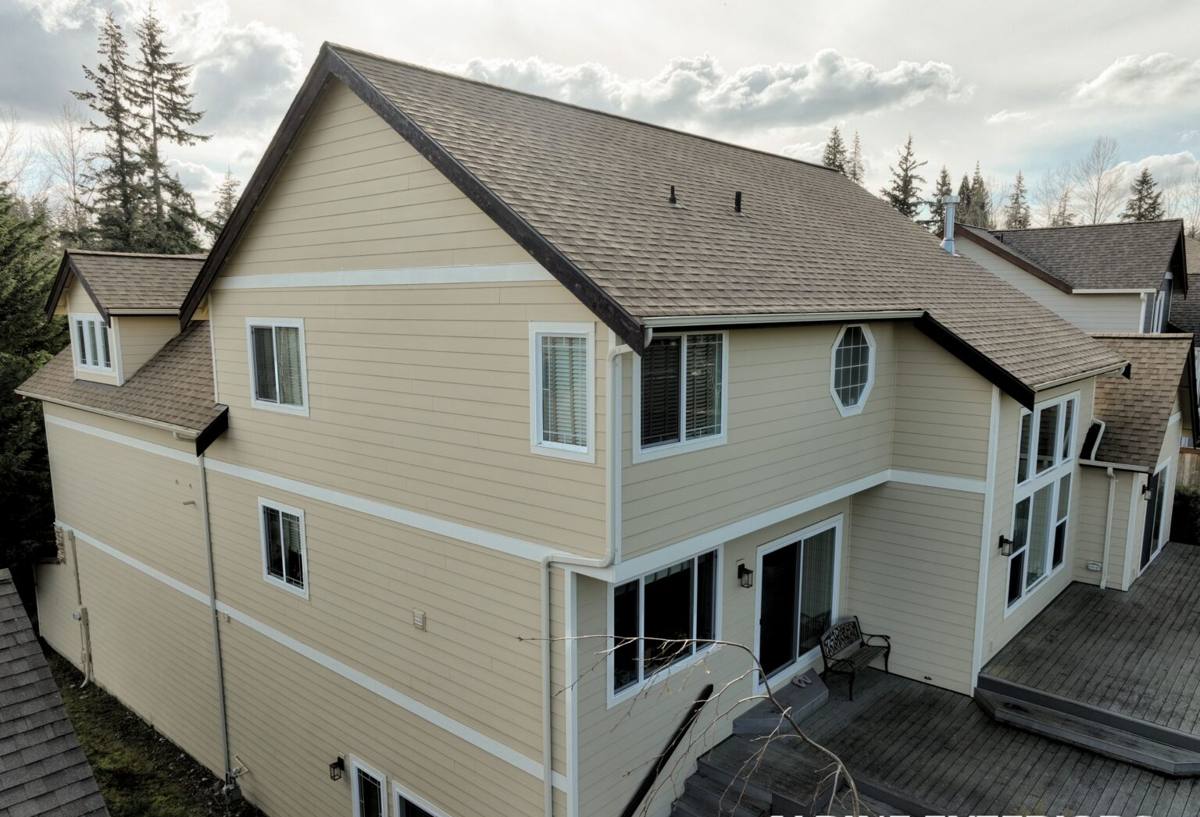
Signs Your Deck Needs Replacing, Not Just Repair
Not every tired deck needs to come out. But there's a point where repair stops being the honest answer, and in a wet climate that point usually shows up as structural, not cosmetic.
- Soft or spongy spots underfoot, especially near the ledger board where the deck meets the house
- Visible rot or dark staining at joist ends, post bases, or stair stringers
- Railings that flex or wobble when leaned on — often a sign the posts or blocking behind them have failed
- Persistent moss or algae buildup that returns within weeks of cleaning, even on sections that get sun
- Fasteners that have rusted, backed out, or left dark streaks down the boards
- A ledger board that's separating from the house siding or trim, which can point to bigger water intrusion issues behind the wall
If you're seeing two or more of these, especially anything structural, replacement is almost always the more honest recommendation than another round of patching.
What a Correct Deck Replacement Involves
A deck replacement done right is more than swapping old boards for new ones. It starts underneath, at the framing and connections most homeowners never see, because that's where moisture damage actually starts in this climate.
The Structure Comes First
We check the ledger board attachment, joist condition, post footings, and any structural connectors for rust or rot before a single new board goes down. In a region with as much rainfall as Whatcom County sees, a deck that looks fine on the surface can still be sitting on compromised framing underneath — replacing the decking over bad framing just buys you a few more years before the same problems resurface.
Flashing and Drainage Details
Proper ledger flashing that directs water away from the house, correctly spaced boards for drainage, and joist tape or protective coating on framing members are what actually extend a deck's life in a wet climate. These details cost little relative to the whole project but are the ones most likely to get skipped by crews trying to keep a bid low.
Railings, Stairs, and Code Compliance
Railings, guard heights, baluster spacing, and stair geometry all need to meet current building code — not just look right. A full replacement is the right time to correct any older construction that predates current code, since it's already opened up.
Choosing Decking Material for the Cordata Climate
Material choice matters more here than in drier parts of the state. Everything on this list can perform well — the right choice depends on how much upkeep you want to take on and how the deck sits relative to sun, shade, and rain exposure.
| Material | How It Handles This Climate | Maintenance |
|---|---|---|
| Pressure-treated wood | Affordable and strong, but needs a quality sealant reapplied regularly or moisture and moss will find any gap in the finish | Annual cleaning and resealing |
| Cedar | Naturally resists some rot and insects, ages to a silver-gray if left unfinished, but still needs periodic care in constant damp shade | Cleaning plus occasional sealing |
| Capped composite | A fully encapsulated shell resists moisture absorption and moss staining far better than wood, holds up well under sustained rain exposure | Occasional washing, no sealing or staining |
| Uncapped composite | More affordable than capped composite but the exposed core can still take on moisture at cut edges over time | Periodic cleaning, more attention to edge sealing |
We don't push one product on every job. Shaded, north-facing decks that stay damp longer through the year usually do better with a capped composite or a well-detailed cedar build; sunnier spots have more flexibility. We'll walk your specific site conditions with you before recommending anything.
Our Deck Replacement Process
- On-site assessment — we inspect the existing deck, framing, ledger connection, and site drainage, and talk through what you actually want from the new deck
- Design and material selection — sizing, layout, railing style, and decking material are locked in, with a clear written scope
- Permitting — we handle the permit application and inspections required for the rebuild
- Demolition and disposal — the old deck comes out and is hauled off, with care taken around the house siding and landscaping
- Framing and flashing — new or repaired structural framing goes in first, with proper ledger flashing and joist protection
- Decking, railings, and stairs — the visible finish work goes in last, built to code and to the plan we agreed on
- Final walkthrough — we go over the finished deck together before we call the job done
Permits, Codes, and Structural Considerations
Most deck replacements in Whatcom County require a permit, particularly when the structure is attached to the house or elevated more than a couple feet off grade. Skipping this step is a common shortcut some contractors take to move faster, but it leaves the homeowner exposed if there's ever an issue with a future sale, insurance claim, or inspection. We pull the required permits as a standard part of the job, not an upsell.
Ledger attachment is worth calling out specifically. It's the single connection point most responsible for deck collapses when done incorrectly, and it's also the connection most exposed to water running off the house. Correct flashing and fastening here isn't optional in our process.
What Deck Replacement Typically Costs
Exact pricing depends on size, framing condition, material, and railing complexity, but the factors below are what move a bid up or down most.
| Cost Factor | Why It Matters |
|---|---|
| Deck size and footprint | More square footage means more framing, decking, and labor hours |
| Framing condition | Rotted joists, posts, or footings found underneath add repair scope beyond the visible decking |
| Decking material | Pressure-treated wood is the lowest upfront cost; capped composite runs higher but needs far less upkeep over time |
| Railing style | Cable, glass, or custom railing systems cost more than standard wood or composite balusters |
| Height and stairs | Elevated decks with stairs and additional guard requirements add both material and labor |
| Site access | Decks with tight or limited access for equipment and material staging can add labor time |
We give a firm, itemized quote after the on-site assessment, not a rough number over the phone — there's too much variation in framing condition to price a deck accurately without seeing it.
Maintaining Your New Deck Through Moss Season
A well-built deck still needs some seasonal attention in this climate, and a few habits go a long way toward protecting the investment.
- Sweep leaves and debris off the deck regularly through fall — trapped organic matter is what feeds moss growth
- Rinse or lightly clean shaded areas more often than sunny ones, since they stay damp longer
- Check that gaps between boards stay clear so water can drain through rather than pool
- Reapply sealant on wood decking on the schedule recommended for the product, typically every one to two years
- Inspect railings and stair connections once a year for looseness or early rust
- Keep gutters and downspouts near the deck clear so runoff isn't draining directly onto it
Why Hire a Crew That Already Works Cordata
Deck framing and finish decisions that work fine in a dry climate can shorten a deck's life significantly here. A crew that regularly builds and replaces decks around Cordata and the rest of the Sudden Valley area already knows how much flashing detail, drainage spacing, and material selection matter given the salt air and rainfall this part of Whatcom County gets. That familiarity shows up in fewer callbacks, fewer surprises once the old decking comes off, and a deck that's actually built for the weather it has to survive rather than a generic spec sheet.
If your deck is showing its age, we're happy to take a look and give you a straight assessment — no pressure, no inflated scope. Request a free estimate through the form below and we'll schedule a time to walk the site with you.