 Sudden Valley Siding
 Roofing in Acme Has to Answer to Whatcom County Weather
Homes around Acme and the greater Sudden Valley area deal with a specific combination of conditions that a lot of roofing crews from outside the region simply don't plan for. Salt-laden air moving in off the Sound corrodes fasteners and flashing faster than manufacturers' lab tests assume. Driving, sideways rain during fall and winter storms finds every weak lap, nail pop, and undersized flashing detail. And the long, damp shoulder seasons here mean moss and algae get months of ideal growing conditions on any roof that doesn't shed water and dry out quickly. None of that is exotic knowledge — it's just what happens when you install roofs in this part of Washington for a living instead of visiting once.
A new roof installation done right for an Acme home isn't a different product than what's sold everywhere else in the country. It's the same core materials, installed with attention to the details that matter most in a wet, moss-prone, coastal-influenced climate. That's the difference between a roof that looks fine at handoff and one that's still performing in year fifteen.
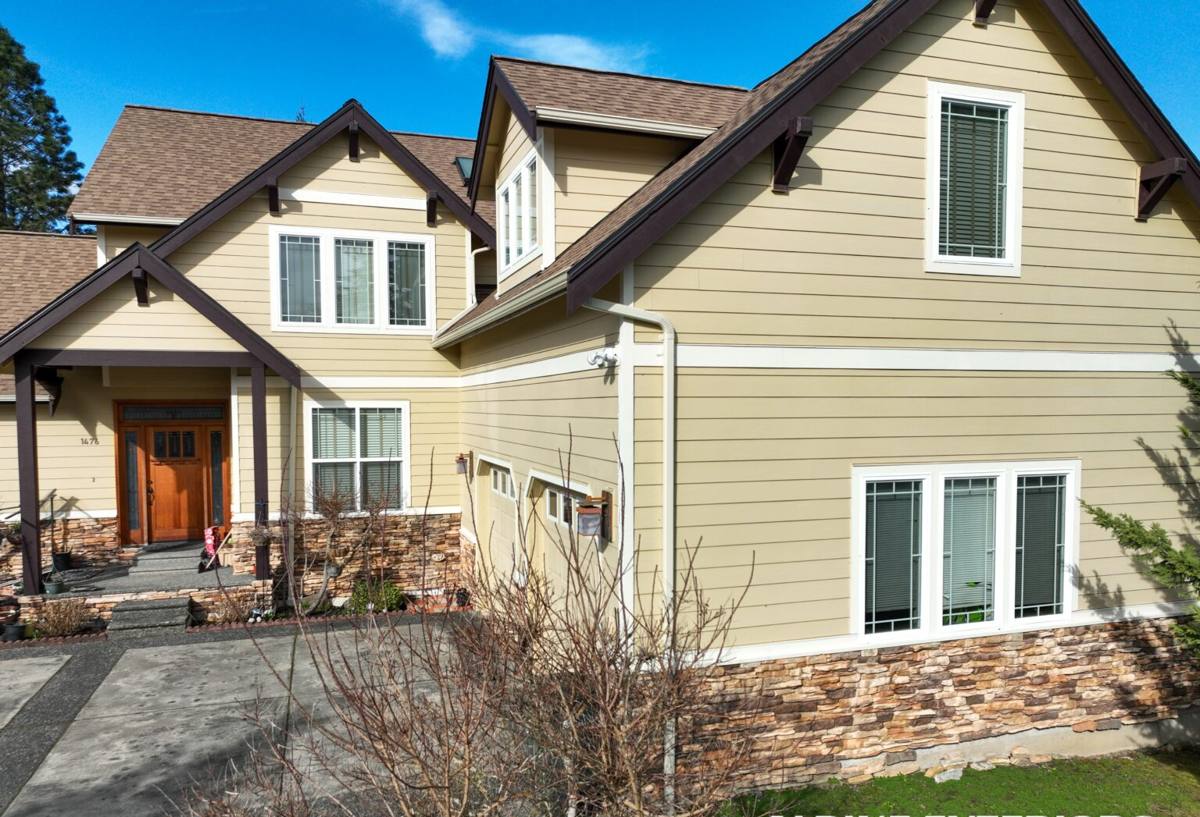
What "Correct" Actually Means on a Roof Replacement
Homeowners often assume a roof replacement is mostly about the shingles. Shingles matter, but they're the last layer in a system, and the system is what keeps water out. A correct installation gets these fundamentals right, in this order of importance:
Tear-off and deck inspection
We remove the old roofing down to the deck rather than layering over it. That's the only way to actually see the plywood or plank sheathing underneath. In this climate, roofs that have been leaking slowly for years often hide soft, delaminated, or rotted decking that isn't visible from inside the attic until it's opened up. Any compromised sheathing gets replaced before anything new goes down — nailing shingles to soft wood is how a new roof fails early.
Underlayment and water barrier
This is arguably the single most important layer for our weather. A synthetic underlayment, plus self-adhered ice-and-water membrane at eaves, valleys, and roof-to-wall transitions, gives the roof a second line of defense when wind-driven rain gets under the shingle tabs — which it will, during the kind of winter storms that come through Whatcom County most years.
Flashing at every penetration and transition
Chimneys, skylights, sidewalls, valleys, and vent pipes are where the overwhelming majority of roof leaks actually start — not in the open field of shingles. Flashing needs to be new, properly lapped with the underlayment and shingle courses, and in coastal-influenced air, corrosion-resistant metal rather than bare galvanized steel that will rust prematurely.
Ventilation
An underventilated attic traps moisture, which shortens shingle life from underneath and feeds the exact conditions moss and mold need. Balanced intake at the eaves and exhaust at the ridge keeps air moving and the deck dry.
Shingle installation itself
Correct nail placement and count, proper exposure, and starter strips at eaves and rakes so the first course actually seals down. Wind uplift failures almost always trace back to nailing shortcuts, not a bad shingle.
Roofing Materials: What Holds Up Here vs. What Struggles
We install what's appropriate for the home, the budget, and the site — but every material has trade-offs worth knowing before you decide. Here's an honest comparison for our climate specifically:
| Material | How it handles our climate | Maintenance burden | Typical lifespan here |
|---|---|---|---|
| Architectural asphalt shingle | Good, especially with algae-resistant granules; needs proper ventilation and moss upkeep | Periodic moss/debris removal | 20–30 years |
| Standing seam metal | Excellent water shedding, sheds moss growth better due to smooth surface | Low; occasional fastener/sealant check | 40–50+ years |
| Cedar shake | Traditional look, but retains moisture in our damp seasons without diligent upkeep | High — regular treatment and moss control required | 20–30 years with upkeep |
| Synthetic/composite shingle | Consistent performance, resists moisture absorption better than wood | Low to moderate | 30–40 years |
We don't install every product on that list on every job. For homes with heavy tree cover or persistent shade — common in parts of the Acme area — we'll often steer homeowners toward algae-resistant shingles or metal specifically because they hold up better against moss without constant maintenance. That's a professional recommendation based on what performs here, not a knock on any manufacturer.
Our Installation Process, Step by Step
- On-site assessment. We look at the existing roof, attic ventilation, deck condition where visible, and any problem areas the homeowner has already noticed.
- Written estimate. Material options, scope of work, and price laid out clearly — no surprise change orders for things we could have caught up front.
- Tear-off. Full removal of old roofing, with the deck inspected as it's exposed.
- Deck repair as needed. Any soft or damaged sheathing is replaced before we move forward.
- Underlayment and ice-and-water membrane. Installed at all eaves, valleys, and vulnerable transitions.
- Flashing. New flashing at chimneys, skylights, sidewalls, and penetrations.
- Ventilation check. Intake and exhaust balanced or corrected as part of the job, not left as-is by default.
- Shingle or roofing material installation. Installed to manufacturer spec for nailing pattern and exposure.
- Cleanup and magnetic sweep. Job site cleared of debris and stray fasteners before we call it done.
- Final walkthrough. We go over the finished roof with the homeowner directly.
Moss, Moisture, and Why Prevention Beats Cleanup
A long moss season is just part of living in this part of Washington, and no roof is permanently immune to it. But a new installation can be built to slow moss establishment significantly: algae-resistant shingle granules, adequate roof slope and drainage detailing, trimmed sightlines to reduce shade where practical, and — most importantly — a deck and attic that stay dry from proper ventilation. A roof that dries out quickly after rain gives moss spores a much harder time taking hold than one that stays damp in shaded, low-airflow areas.
This matters more in the Acme area specifically because tree cover and terrain mean some roof sections get far less direct sun than others. We pay attention to which slopes and valleys on a given home are going to be the slow-drying trouble spots and detail those areas accordingly during installation, rather than treating the whole roof as one uniform surface.
Signs Your Roof Is Due for Replacement, Not Another Repair
Not every roof problem means a full replacement — but these signs usually mean patching is a short-term fix, not a solution:
- Granule loss heavy enough that shingles look bald or patchy in sunlight
- Shingles that are curling, cracking, or missing across multiple areas rather than one isolated spot
- Daylight visible through the roof deck from inside the attic
- Soft or spongy spots when walked on, or sagging visible from the ground
- Repeated leaks in different locations after previous repairs
- Heavy, persistent moss growth that keeps returning despite cleaning
- A roof approaching or past its material's expected lifespan, especially before a major storm season
If you're only seeing one or two of these, a repair may genuinely be the right call — we'll tell you that directly rather than push a full replacement that isn't needed yet.
Why It Matters That We Already Work in This Area
A roofing crew that works Acme and the wider Sudden Valley area regularly knows things a first-time-in-town crew has to learn on your dime: which local conditions tend to cause premature moss and moisture problems, what ventilation setups actually work for the tree cover and terrain typical here, and how to sequence work around the region's rainy stretches so a tear-off doesn't sit exposed longer than necessary. That local familiarity shows up in fewer surprises during the job and a roof that's detailed for the weather it's actually going to face — not generic weather.
Timeline and What to Expect During the Job
Most single-family roof replacements in this area take one to three days of active work, depending on roof size, complexity, and material choice — metal and multi-layer tear-offs generally take longer than a straightforward asphalt shingle job. Weather is the main variable; we plan around forecasted dry windows whenever possible rather than starting a tear-off into an incoming storm. During the job, expect noise, some vibration through the house, and equipment staged in the driveway or yard. We keep debris contained and do a full cleanup pass, including a magnetic sweep for nails, before considering the job finished.
Get a Straight Answer About Your Roof
If your roof is showing its age or you're just not sure whether you're looking at a repair or a replacement, we're happy to take a look and give you an honest read — no pressure, no inflated urgency. Request a free estimate using the form below and we'll walk your Acme property in person before recommending anything.