 Sudden Valley Siding
 Windows Built for Yew Street's Climate, Not Just Any Climate
Homes along Yew Street sit in one of the more punishing microclimates a window has to survive in Whatcom County. It's not one thing wearing your windows down — it's the combination. Salt-tinged air drifting in off the water corrodes hardware and dulls finishes faster than inland neighborhoods see. Driving rain, pushed sideways by wind off the lake, finds every gap in old flashing and worn caulk. And the long, wet moss season here means anything shaded or north-facing stays damp for weeks at a stretch, which is exactly the condition that rots wood sashes and swells vinyl frames out of square.
A window that's rated fine for a showroom in a dry climate isn't automatically fine for a home on Yew Street. What matters more than the sticker on the glass is how the window was installed — the flashing, the sealant, the flashing tape, the sill pan — because that's what decides whether water gets managed or gets trapped. This page is about that one job, done right, for this one stretch of homes.
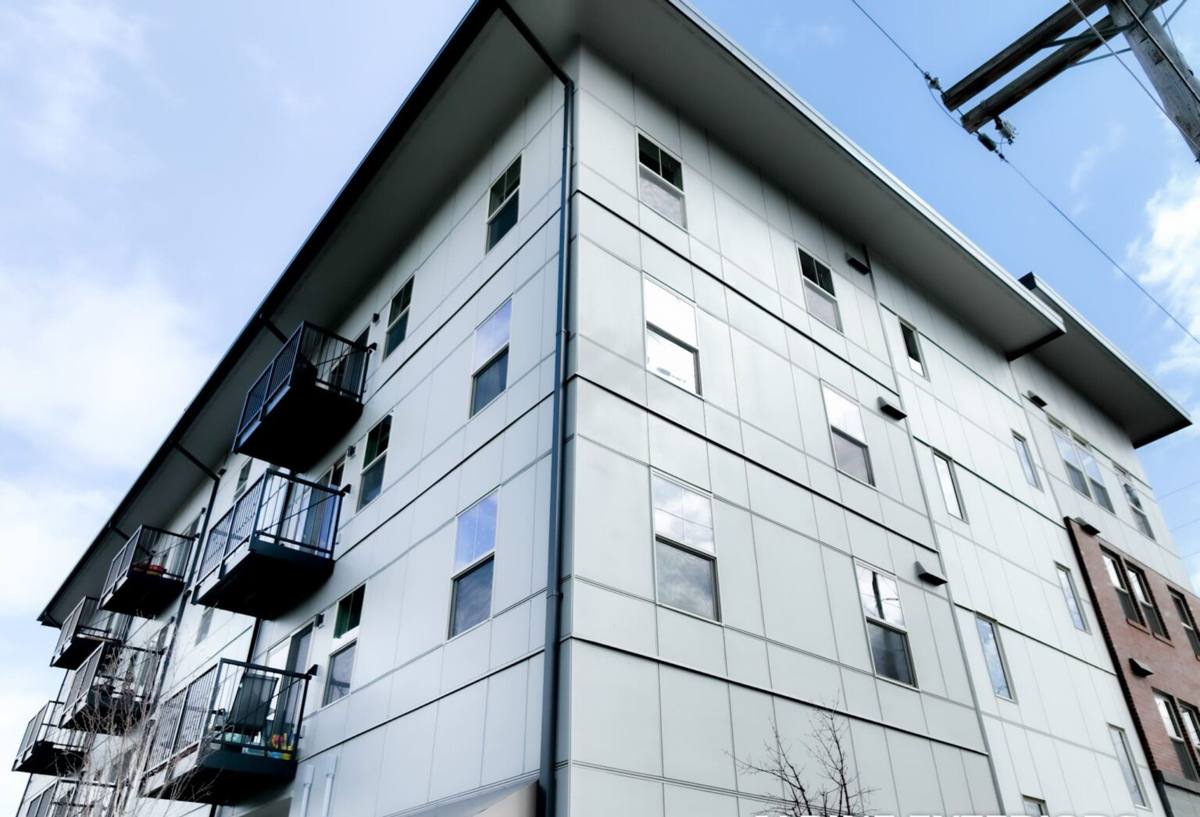
What Constant Moisture and Salt Air Actually Do to Old Windows
Moss and Trapped Moisture
Moss doesn't just grow on roofs. On window sills, under trim, and in the corners of frames that don't drain properly, moss and algae hold moisture against wood and vinyl year-round. Over a few seasons that constant dampness works its way into joints, swells wood, and gives rot a foothold long before you'd notice a leak from inside the house.
Salt Air and Hardware
Locks, hinges, balances, and screen frames take the brunt of salt-laden air. Cheaper hardware pits and seizes up years before the glass itself fails — windows that still look fine from the curb often won't lock properly or slide smoothly anymore.
Driving Rain and Failed Seals
Wind-driven rain doesn't fall straight down — it gets pushed into the seams around a window under real pressure. Once the original sealant or flashing starts to fail (usually the first thing to go on an older install), that water has a path to the framing behind the wall, not just the window itself.
Signs Your Yew Street Home May Need Window Replacement
None of these alone means you need new windows today, but a few together are worth a serious look:
- Visible fogging or moisture between the panes of a double-pane window (a failed seal)
- Wood trim or sills that feel soft, spongy, or discolored when pressed
- Windows that are hard to open, close, or lock — especially after damp weather
- Persistent condensation on the inside of the glass in cooler months
- Visible moss or dark staining building up in the corners of the frame or sill
- Drafts you can feel near the frame even when the window is fully closed
- Noticeably higher heating bills without any other explanation
- Peeling paint or bubbling on interior trim near a window — often a sign of moisture intrusion, not just age
What a Correct Window Replacement Job Actually Involves
Flashing and Water Management First
The window itself is only part of the job. What actually keeps water out over the long run is the flashing detail underneath and around it — how the sill pan is built, how the flashing tape laps with the house wrap, and whether water that does get past the exterior trim has somewhere to drain instead of pooling against the framing. This is the step that gets rushed on a bargain install, and it's the one that decides whether you have a dry wall in ten years.
Sealing and Insulation
Low-expansion foam and proper backer rod around the perimeter — not just a bead of caulk — keeps air and moisture out without bowing the frame. Interior and exterior sealant both matter, and both need to be redone correctly, not just smeared over the old gap.
Frame and Sash Fit
A window that's shimmed and leveled correctly opens, closes, and locks the same way in July as it does in January. A rushed install often looks fine on day one and starts binding or gapping once the house settles or the seasons change.
Choosing the Right Window Material for This Climate
There's no single "best" window material — there's a best match for your home, your budget, and how exposed that particular wall is to wind and rain. Here's how the common options hold up in a coastal, moss-prone climate like this one:
| Material | How It Handles This Climate | Maintenance | Typical Trade-Off |
|---|---|---|---|
| Vinyl | Good moisture resistance, won't rot; can expand/contract more in temperature swings | Low — occasional cleaning | Least expensive; fewer color/finish options long-term |
| Fiberglass | Very stable in wet, salty air; holds paint and finish well over time | Low | Higher upfront cost than vinyl |
| Wood-Clad | Attractive, but the exterior cladding has to be detailed perfectly or moisture gets behind it | Higher — finish and seams need monitoring | Most installation-sensitive in a wet climate; we're careful about where we recommend it |
| Aluminum | Durable frame, but conducts cold and can condense more in this climate | Low | Better suited to milder, drier exposures |
We don't push one material for every job. We'll tell you honestly which option fits the specific wall, exposure, and budget you're working with — including where a lower-maintenance material will save you headaches down the road even if it costs a bit more today.
Cost Factors for Window Replacement on Yew Street
Every home is different, but the same handful of factors drive most of the price difference between jobs in this area:
| Factor | Why It Matters Here |
|---|---|
| Number and size of windows | Straightforward — more glass and larger openings cost more |
| Condition of existing framing | Rot or water damage found once old windows come out adds repair time before new units go in |
| Window material | Vinyl, fiberglass, and wood-clad carry different upfront costs, as shown above |
| Access and site conditions | Steep lots, tight driveways, and limited staging space around some Yew Street homes affect labor time |
| Flashing and trim detail | Doing the water-management details right takes longer than a quick swap — it's worth the time |
We give a written, itemized estimate before any work starts, so you know what you're paying for and why — not just a lump-sum number.
Our Process for Yew Street Window Replacement
- On-site assessment. We look at every window being replaced, check the surrounding framing and trim for hidden moisture or rot, and talk through your goals — energy efficiency, appearance, or just fixing windows that no longer work.
- Written estimate. A clear, itemized quote covering materials, labor, and any framing repair we expect to find — no surprise change orders for things we should have caught up front.
- Scheduling around the weather. Window openings are exposed to the elements during a replacement, so we plan the work for a dry stretch when we can, and we protect the opening if weather turns mid-job.
- Removal and inspection. Old windows come out carefully so we can see the actual condition of the framing and sill before anything new goes in.
- Correct flashing and installation. Sill pan, flashing tape, proper shimming and leveling, and sealing done to hold up against wind-driven rain — not just to pass a quick visual check.
- Final check and cleanup. Every window operates smoothly, locks properly, and is sealed correctly before we consider the job finished. Site is cleaned up and old materials hauled away.
Why a Crew That Already Works in Sudden Valley Matters
There's a real difference between a contractor who's driven through Sudden Valley once and a crew that already knows how homes here are built and what the lake-adjacent climate does to them over time. We've seen how moss builds up on north-facing walls, how wind off the water hits certain lots harder than others, and where older homes in this area tend to have flashing details that were never quite right to begin with.
If your home is part of a community association, design guidelines or approval steps may apply to exterior changes like window replacement — we're glad to work within whatever process your community has in place and coordinate the paperwork side so it doesn't fall on you. And because we're already working in the area, you're not paying a premium in travel time or scheduling gaps to get a crew out to Yew Street.
Ready for an Honest Look at Your Windows?
If your windows are fogging, sticking, drafting, or just starting to look rough around the edges, it's worth having someone take an honest look before you decide what to do. We'll walk your home, tell you straight whether replacement makes sense now or can reasonably wait, and give you a free, no-pressure estimate with the details laid out clearly. There's no obligation — just a clear picture of where things stand.