 Sudden Valley Siding
 Siding Built for Edgemoor's Bay-Influenced Climate
Edgemoor sits close enough to the water that homes here take a different kind of weather beating than siding fifteen miles inland. You get salt-laden air moving off the bay, driving rain that hits walls at an angle instead of falling straight down, and a shoulder season every fall and winter where moss and algae get a real foothold on anything that stays damp for more than a day or two. Any siding installation in this pocket of Whatcom County has to be planned around those three things specifically, not just installed to a generic spec sheet.
Salt air is corrosive to fasteners and hardware over time, and it accelerates the breakdown of paint films that aren't engineered to resist it. Driving rain finds every gap in flashing, every short lap, every place where a installer cut a corner on clearance. And moss doesn't just look bad — it holds moisture against the wall assembly, which is exactly what you don't want behind or under your siding. A correct installation in Edgemoor treats all three as design inputs, not afterthoughts.
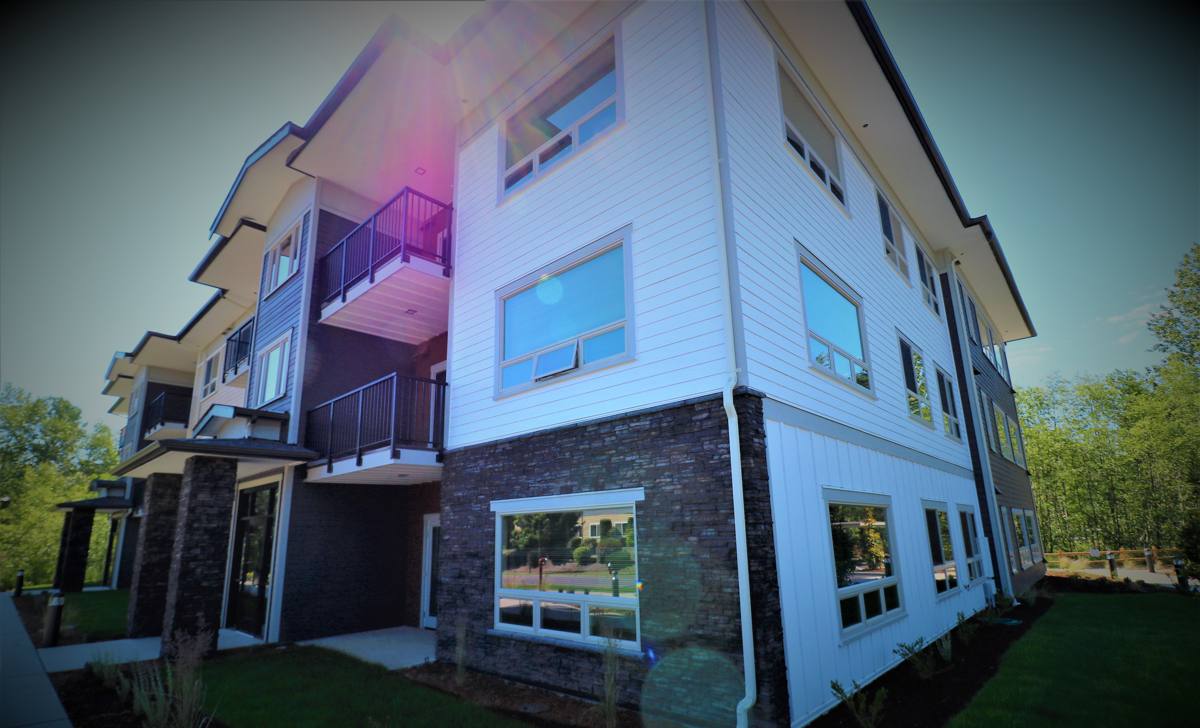
Why We Only Install James Hardie Fiber Cement Here
We don't install vinyl, LP SmartSide, primed spruce, cedar, or other fiber cement brands like Cemplank or Allura. That's a standard we hold across every job, and it matters even more in a neighborhood like Edgemoor. Vinyl expands and contracts with temperature swings and can warp or crack under sustained wind-driven rain exposure near the water. Wood products — cedar, primed spruce — need consistent maintenance to resist moisture intrusion and are genuinely vulnerable in a climate where things don't dry out quickly for months at a time.
James Hardie fiber cement is non-combustible, dimensionally stable, and factory-finished with ColorPlus technology, which means the color coat is baked on under controlled conditions rather than field-applied. That finish holds up better against salt exposure and UV than most site-applied paints, and it doesn't rely on a caulk-and-recoat maintenance cycle to keep looking right. Hardie's HZ5 product line is specifically engineered for climates with prolonged moisture exposure, which is a fair description of anywhere near Bellingham Bay from October through April.
What Hardie Gets Right for This Location
- Fiber cement doesn't rot, and it doesn't feed mold or moss the way untreated wood fibers can
- The ColorPlus finish resists fading and chalking better than field-applied paint over long UV and salt exposure
- It holds a straight, tight reveal over time instead of warping or bowing with humidity cycles
- It's non-combustible, which matters for insurance and for peace of mind regardless of climate
- The transferable limited warranty follows the house, which matters if you sell within the warranty period
What a Correct Siding Installation Actually Involves
The siding itself is only part of the system. Most of the problems we get called out to fix on other people's installs — anywhere in Whatcom County, not just Edgemoor — trace back to what's underneath the boards, not the boards themselves.
The Water-Resistive Barrier and Flashing
Behind the siding, a correctly lapped weather-resistive barrier (WRB) is what actually keeps bulk water out of the wall assembly. Every penetration — windows, doors, hose bibs, light fixtures, vents — needs proper flashing integrated into that barrier using a shingle-lap method so water sheds outward and down, never inward. In a driving-rain environment like Edgemoor's, this step is not optional trim work; it's the difference between a wall that stays dry for thirty years and one that rots from the inside while the siding still looks fine from the street.
Rainscreen and Ventilation Gap
We install Hardie over a ventilated rainscreen gap rather than direct to the WRB wherever the assembly allows it. That gap lets any incidental moisture that does get behind the cladding drain and dry out instead of sitting against the sheathing. Given how long things stay damp here in the fall and winter, that drainage path matters more in Edgemoor than it would in a drier climate.
Fastening and Clearances
James Hardie publishes specific fastener patterns, nail types, and minimum clearances from grade, roof lines, and other surfaces — and those specs exist for a reason. Salt air is hard on exposed fasteners, so we follow Hardie's corrosion-resistant fastener requirements without shortcuts. Clearance from grade and hard surfaces keeps splashback and standing moisture away from the bottom course, which is usually the first place a bad installation starts to fail.
Caulking and Joint Treatment
Butt joints, trim intersections, and penetrations get treated with the right sealant, applied correctly, or in some cases designed to shed water without relying on caulk at all. Caulk is a maintenance item everywhere; over-relying on it in a wet climate just moves the failure point a few years down the road.
Moss and Algae: Prevention Starts With the Install
Whatcom County's moss season is long, and Edgemoor's tree cover and proximity to the water don't help. You can't eliminate moss risk entirely with siding choice alone, but installation decisions make a real difference:
- Proper drainage and rainscreen venting keep the back side of the siding from staying damp, which is where moss and algae growth often starts unseen
- Tight, correctly lapped joints reduce the number of places spores and moisture can collect and take hold
- A factory-cured ColorPlus finish is smoother and less porous than field-applied paint, which gives algae less to grip onto to begin with
- Keeping siding clear of overhanging vegetation and maintaining gutters reduces the standing moisture and shade that moss favors — this is homeowner maintenance, not installation, but it works together with a correctly installed system
Our Process for Edgemoor Homes
- On-site assessment — we look at your home's exposure: how much direct rain and wind it takes off the water, existing moisture damage, current siding condition, and any trouble spots around windows, decks, or roof transitions
- Tear-off and sheathing inspection — we don't install over rot or compromised sheathing; if we find damage during tear-off, we show you before covering it up
- WRB and flashing installation — the water management layer goes in correctly before a single piece of siding is hung
- Rainscreen and Hardie installation — fastened and spaced to manufacturer spec, with attention to the clearances that matter most in a salt-air, high-rainfall setting
- Trim, caulking, and final detail work — the finish details that determine how the house looks and performs for the next several decades
- Walkthrough — we go over what was done and what, if anything, you should keep an eye on going forward
Why a Crew That Already Works Edgemoor Matters
Edgemoor isn't a large area, and the homes here share enough in common — age, proximity to the water, tree cover, lot grading — that a crew who's worked the neighborhood before isn't guessing at how the local climate behaves. We know what wind-driven rain does to a west-facing wall near the bay versus a sheltered one, and we plan flashing and rainscreen detailing accordingly rather than applying a one-size-fits-all approach. That local pattern recognition is one of the more overlooked value-adds in siding work — it's not something you can fully get from a general spec sheet, and it's part of why we'd rather do fewer jobs correctly in areas we know well than spread thin.
Cost Factors for an Edgemoor Siding Project
| Factor | Why It Affects Cost |
|---|---|
| Home size and wall complexity | More corners, dormers, and roof transitions mean more flashing and cutting labor |
| Existing siding removal | Tear-off of old wood, aluminum, or vinyl adds labor and disposal cost |
| Sheathing or structural repair | Rot found during tear-off has to be addressed before new siding goes on |
| Rainscreen inclusion | Adds material and labor but is worth it in a wet, coastal-influenced climate |
| Hardie product line and profile | Lap siding, shingle-style panels, and trim boards vary in material cost |
| Color and finish selection | ColorPlus factory finishes carry a different cost structure than field-painted options |
| Access and site conditions | Slopes, tree cover, and limited staging space near the water can affect labor time |
Signs Your Edgemoor Home May Need Siding Attention
- Visible moss or algae growth that comes back quickly after cleaning
- Soft spots, bubbling, or warping in wood siding, especially near grade or roof lines
- Paint that's peeling or chalking faster than expected, particularly on walls facing the water
- Gaps or separation at butt joints, corners, or trim
- Water stains or discoloration on interior walls near exterior corners
- Fasteners showing rust or backing out
If you're weighing a siding replacement in Edgemoor and want a straight answer about what your home actually needs — not a generic estimate — we're happy to take a look and walk the property with you. There's no pressure and no cost to get our read on it; the estimate form below is the easiest way to get started.