 Sudden Valley Siding
 Deck Repair Built for Sunnyland's Weather, Not Just Any Deck
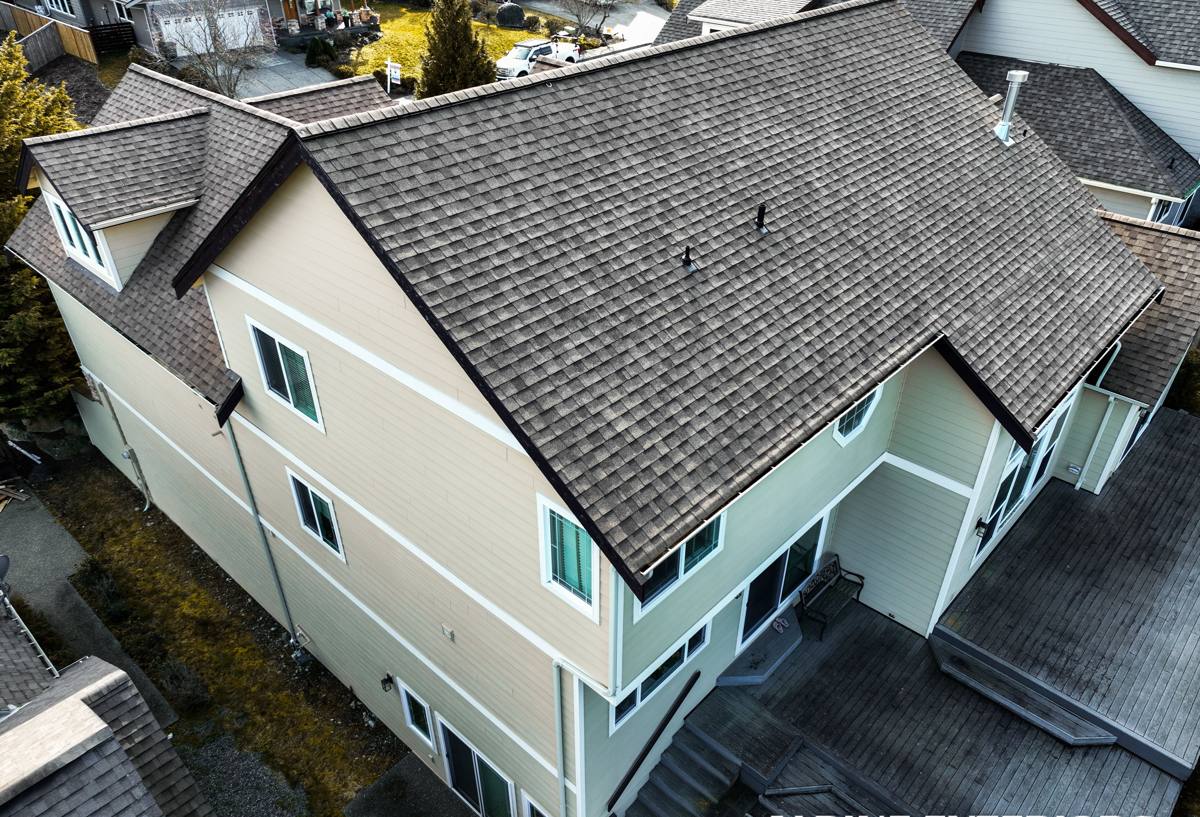
Sunnyland sits close enough to the water and low enough in the Whatcom County terrain that decks here take a beating most inland homes never see. Salt-laden air works into fasteners and metal connectors. Driving rain off the water finds every gap in a ledger board or flashing detail. And the long moss season — often eight months or more of damp, shaded conditions — keeps wood surfaces wet far longer than manufacturers ever assumed when they wrote their maintenance schedules. A deck repair here isn't the same job as a deck repair in a dry inland subdivision, and treating it that way is how homeowners end up calling us back two years later for the same problem.
We work Sudden Valley and the surrounding Whatcom County communities regularly, and Sunnyland's decks show a consistent pattern: soft spots near the house where the ledger meets the wall, corroded joist hangers, slick moss-covered boards, and rot that started underneath where nobody looks until a board finally gives.
What Sunnyland's Climate Actually Does to a Deck
Salt Air and Metal Fatigue
Every deck depends on metal to hold it together — joist hangers, structural screws, bolts through the ledger, post bases. Salt air accelerates corrosion on anything that isn't rated for it, and a lot of decks built or repaired with standard hardware start showing rust streaks and weakened connections well before the wood itself fails. Once a hanger corrodes enough to lose its grip, the joist it's holding can shift, and that movement telegraphs up through the decking as bounce, squeak, or a board that sits proud of its neighbors.
Driving Rain and Hidden Water Entry
Wind-driven rain doesn't fall straight down — it gets pushed sideways into ledger connections, under railing posts, and into any seam where flashing wasn't detailed correctly the first time. The result is water intrusion in spots that look fine from above but are soaking the framing underneath. By the time a soft spot is visible on the surface, the rot underneath is usually further along than it appears.
Moss, Algae, and the Slip Hazard Nobody Budgets For
A long moss season means deck surfaces stay damp for extended stretches, especially on the shaded or north-facing sides of a house. Moss and algae aren't just cosmetic — they hold moisture against the wood surface, accelerate surface decay, and turn boards genuinely dangerous underfoot. We treat moss growth as a maintenance and safety issue, not just an appearance issue, and it changes how we sequence a repair.
Signs a Sunnyland Deck Needs Repair, Not Just Cleaning
- Boards that feel spongy, springy, or noticeably softer than the boards around them
- Visible rust or staining running down from screws, bolts, or joist hangers
- A railing that flexes or moves more than it used to when leaned on
- Gaps opening up where the ledger board meets the house
- Persistent moss or algae that comes back within weeks of cleaning
- Stairs that feel less solid or show cupping on the tread surfaces
- Any board with a soft, dark, or crumbling edge — early rot rarely stays contained to one board
Any one of these on its own might be minor. Two or more together usually means the structure underneath deserves a real inspection, not just a fresh coat of stain.
What a Correct Repair Actually Involves
Start Below the Surface
We don't quote a deck repair from the top down. Loose or damaged boards come up so we can look at the ledger, joists, and hardware underneath — that's where the actual problem usually lives. A deck can look fine on the surface and still have joist hangers corroded to the point of failure, or a ledger connection that's pulling away from the house behind the siding.
Match the Fix to the Failure
Not every soft board means the whole deck needs rebuilding, and not every deck with surface moss needs new lumber. Part of doing this job honestly is telling a homeowner when a section can be sistered, patched, or resurfaced versus when framing genuinely needs to come out. We'd rather fix what's actually wrong than upsell a full rebuild a homeowner doesn't need — or undersell a repair that's going to fail again in a season if we skip the framing.
Hardware That's Actually Rated for This Environment
Given the salt air exposure common to Sunnyland and the broader Sudden Valley area, we use corrosion-resistant fasteners and connectors rated for coastal or high-moisture exposure rather than standard interior-grade hardware. It costs a little more up front. It's the difference between hardware that lasts and hardware that's rusting again in three years.
Flashing and Water Management
Any repair that touches the ledger board is an opportunity to correct flashing that was never installed right in the first place. We install or repair ledger flashing so water sheds away from the house instead of pooling at the connection point — a detail that gets skipped more often than it should, and one that causes a disproportionate share of the rot we find.
Repair vs. Rebuild: How We Decide
| Factor | Points Toward Repair | Points Toward Rebuild |
|---|---|---|
| Framing condition | Joists and ledger are solid, only surface boards affected | Rot has spread through multiple joists or the ledger itself |
| Age of structure | Newer deck with isolated damage | Deck is old enough that most components are near end of life together |
| Hardware condition | Hangers and fasteners still structurally sound | Widespread corrosion on connectors throughout |
| Extent of moss/rot | Contained to one shaded section or a few boards | Recurring across most of the deck surface |
| Cost comparison | Repair cost is a fraction of rebuild cost | Repair cost approaches what a rebuild would run |
We walk this comparison with the homeowner on-site rather than guessing from a photo. A deck that's 80% sound doesn't need to be torn out because of one bad corner, and a deck with failure spreading through the main structure doesn't deserve a patch that buys six months.
Our Process for a Sunnyland Deck Repair
- On-site inspection. We walk the full deck, check the ledger connection, probe suspect boards, and look underneath wherever we can access framing.
- Honest scope and estimate. We tell you what's actually wrong, what it takes to fix it correctly, and give a written estimate before any work starts — no pressure, no upsell.
- Remove and assess. Damaged boards and any compromised framing come out so we can confirm the extent of the problem before closing things back up.
- Repair the structure first. Joists, hangers, and ledger connections get addressed before any new decking goes down — this is the part that determines whether the repair lasts.
- Rebuild the surface. New boards, correctly fastened with corrosion-resistant hardware, matched to the existing deck where possible.
- Final check and cleanup. We walk the deck with you, point out anything worth keeping an eye on, and leave the site clean.
Maintenance That Actually Extends Deck Life Here
Given the moss season and salt exposure typical of this part of Whatcom County, a deck in Sunnyland needs a different maintenance rhythm than one in a drier climate. A few habits go a long way between repairs:
- Clear moss and debris from between boards before it has months to sit and hold moisture
- Check under railings and around post bases once a year for early rust or soft wood
- Keep gutters and downspouts clear so runoff isn't dumping extra water onto the deck surface
- Re-seal or re-stain on the schedule appropriate to the product used, not just when it looks faded
- Address a soft board or loose railing immediately rather than waiting for the next dry stretch
Why a Crew That Already Works Sudden Valley Matters
A deck repair crew that only occasionally works this area has to relearn the local conditions on your dime. We already know what Sunnyland's exposure to salt air and driving rain does to hardware and framing over time, because we see it repeatedly across the homes we work on here. That means fewer surprises mid-job, hardware specified correctly the first time, and a repair scoped around how this deck will actually age in this climate — not a generic checklist built for a different part of the country.
Working locally and repeatedly also means accountability. If something about a repair doesn't hold up the way it should, we're not a crew that drove in from out of the area and disappeared — we're back in Sudden Valley on other projects regularly.
What to Expect on Cost
Deck repair costs vary widely based on how much of the structure is affected, not just the square footage of decking. A localized repair — a few boards, a section of railing, one corroded hanger — is a modest job. A repair that involves reworking ledger flashing, replacing multiple joists, or addressing framing throughout the deck runs significantly higher because the labor and material scope both grow. We won't quote a number without seeing the deck, because guessing on a phone call does homeowners a disservice — either scaring them off unnecessarily or underquoting a job that turns out to need more.
If you're noticing soft spots, rust stains, persistent moss, or a railing that doesn't feel as solid as it used to, we're happy to take a look. We offer free, no-pressure estimates for Sunnyland and the rest of Sudden Valley — fill out the form below and we'll get back to you with an honest read on what your deck actually needs.