 Sudden Valley Siding
 New Construction in Deming Runs on Different Rules Than a Window Swap
If you're framing a new home, an addition, or opening a wall down to the studs anywhere around Deming, the windows you put in are not a simple swap-and-caulk job. New-construction windows are installed before the siding goes on, while the wall is still open — which means the crew setting them is also responsible for how water, wind, and moisture get managed at that opening for the next 30-plus years. Get the flashing sequence wrong at this stage and nobody finds out until siding comes off during a repair, usually with rot behind it.
Deming sits inland from the coast, but it's still squarely in Whatcom County's wet weather pattern — driving rain off the Pacific systems, humid air pulled up the Nooksack corridor, and a moss season that can run most of the year on shaded, tree-covered lots. New-construction windows have to be detailed correctly for that reality from day one, not retrofitted for it later.
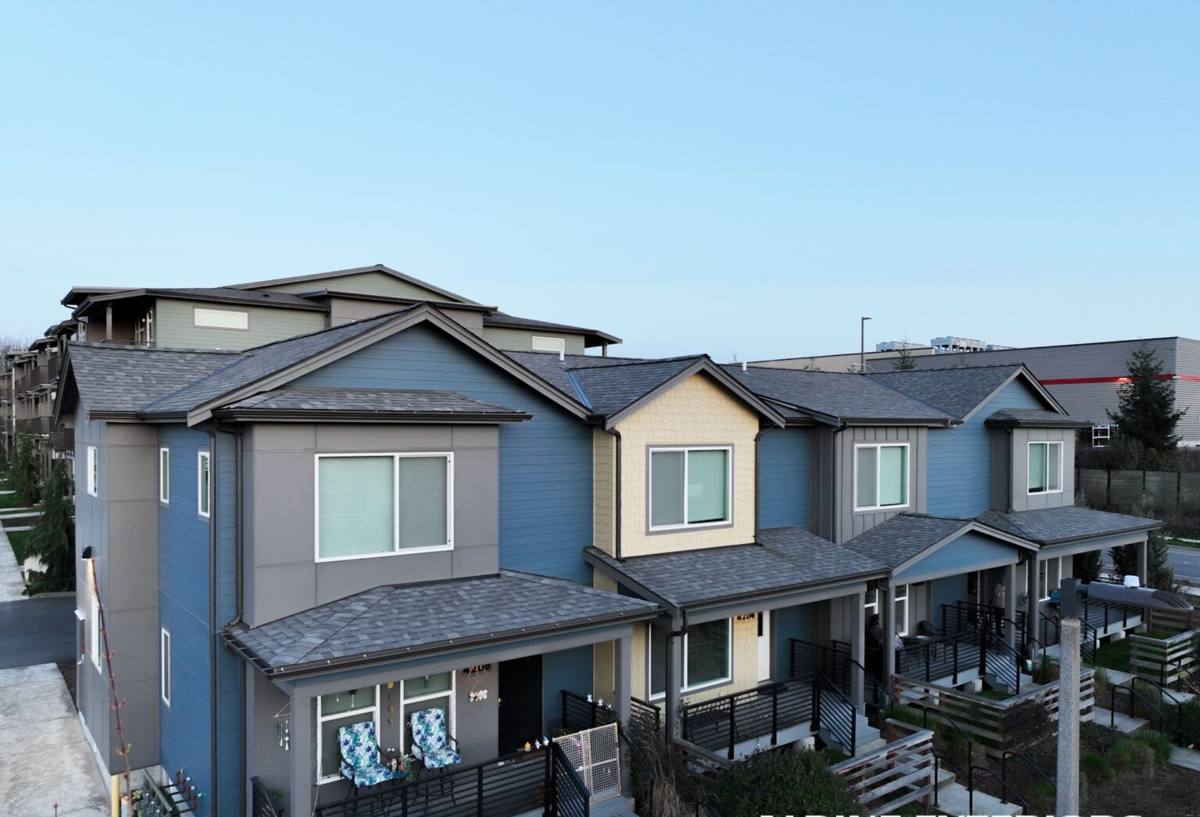
New-Construction Windows vs. Replacement Windows
Nail-Fin Windows, Explained
A new-construction window has a flange (nail fin) around the outside of the frame. That fin gets fastened directly to the wall sheathing and integrated with the housewrap and flashing tape before the exterior finish goes on. A retrofit or "insert" replacement window, by contrast, is built to slide into an existing frame with no fin and no direct access to the sheathing plane — it relies on the old frame and existing exterior trim for weatherproofing.
Why the Difference Matters Here
On a true new build or a full wall tear-off, you have the rare chance to build the water management plane correctly from scratch. That's the whole advantage of new-construction windows: sill pan, jamb flashing, and head flashing all lap correctly with the housewrap in the right order, so water sheds outward no matter how hard the rain is driving. In a climate that sees long stretches of wet weather, that detail is worth far more than the window brand printed on the label.
| Factor | New-Construction (Nail-Fin) | Retrofit / Insert |
|---|---|---|
| Best used when | New build, addition, or wall opened to sheathing | Existing frame is sound, siding stays intact |
| Weatherproofing method | Direct flashing to sheathing and housewrap | Relies on existing frame and trim |
| Access to sill pan | Full access, built correctly from scratch | Limited or none |
| Long-term fit for wet climates | Strongest option when done right | Acceptable when the existing opening is dry and sound |
What a Correct New-Construction Window Install Actually Involves
Sill Pan and Flashing Sequence
Every opening needs a sloped sill pan with a back dam before the window ever sits in place — that's what gives any water that gets past the window somewhere to go besides your wall framing. From there, flashing goes on in shingle-lap order: sill pan first, then the window itself, then jamb flashing over the fin, then head flashing last, lapped over the housewrap above it. Skip that order or reverse it and you've built a path for water to travel inward instead of outward.
Housewrap Integration
The window fin has to tie into the housewrap as one continuous water-resistive barrier, not just get taped over as an afterthought. Any gap or shortcut here becomes the weak point in the wall, and on a home exposed to Whatcom County's sideways rain, that weak point gets tested every winter.
Setting, Shimming, and Fastening
The window has to be set plumb, level, and square in the rough opening, shimmed at the manufacturer's specified points, and fastened on the schedule the manufacturer requires — not just "enough nails to hold it." Over-fastening or fastening in the wrong spots can bow a frame just enough to affect how the sash operates for years.
Frame Materials Worth Considering for Deming's Climate
There's no single "best" frame material for every project — it depends on the home's exposure, budget, and how much upkeep you want to sign up for. Here's how the common options stack up against a wet, moss-prone climate:
| Frame Material | Moisture Resistance | Maintenance | Typical Cost Tier |
|---|---|---|---|
| Vinyl | Good — won't rot, doesn't need painting | Low | Budget to mid-range |
| Fiberglass | Very good — stable in temperature and moisture swings | Low | Mid to upper |
| Wood-clad / aluminum-clad | Good on the exterior clad face, but interior wood needs protection from any interior moisture | Moderate to higher | Upper |
On heavily shaded or north-facing walls where moss and algae are worst, we lean toward frame and sill profiles that shed water cleanly and don't give algae a ledge to sit on — that matters more on those elevations than on a sunny south wall.
Our New-Construction Window Process
- Plan review: we look at the window schedule, rough opening sizes, and product selection before framing is finalized, so nothing gets discovered too late.
- Rough opening check: verify every opening is square, correctly sized, and flashed-ready before a window ever arrives on site.
- Sill pan and flashing installation: built and taped in the correct sequence, opening by opening.
- Window setting: plumb, level, square, shimmed, and fastened to manufacturer spec.
- Housewrap and tape integration: fin, jambs, and head flashing tied into the wall's water-resistive barrier as one system.
- Interior air sealing and insulation: gaps filled without over-compressing, which can bow a frame.
- Final check before siding closes it in: this is the last point anyone can see the flashing plane directly, so we walk every opening before it's covered.
Problems We See When This Gets Rushed
Most of the window problems we get called about in new-construction work trace back to one of a handful of shortcuts:
- Missing or flat (non-sloped) sill pans that let water pool instead of draining out
- Flashing installed out of sequence, so water gets funneled behind the housewrap instead of over it
- Caulk used as a substitute for proper flashing instead of a backup to it
- Over-fastened or unevenly shimmed frames that bind the sash or crack finish over time
- Moss and algae staining that develops fast on shaded sills and frames with poor drainage
None of these show up on day one. They show up two, five, or ten winters later — which is exactly why getting it right during construction matters more than almost any other part of the exterior.
What Affects the Cost of New-Construction Windows
We won't quote a number without seeing the plans, but the biggest cost swings on a Deming project usually come from the same few factors, not from labor rates:
| Cost Factor | Why It Moves the Price |
|---|---|
| Number and size of openings | More glass and larger units mean more material and install time |
| Frame material | Vinyl runs lower; fiberglass and clad-wood run higher |
| Glass package | Low-E coatings, gas fills, and double vs. triple pane all affect price and performance |
| Site access and delivery | Rural lots and difficult access can add logistics time |
| Coordination with other trades | Scheduling windows tightly with framing and siding reduces exposure time and callbacks |
Why a Crew That Already Works Deming and Whatcom County Matters
New-construction window work sits right at the intersection of code, permitting, and weather — and all three are local. A crew that already works this county knows the current Washington State Energy Code performance requirements for our climate zone, knows what the local building department wants to see at framing inspection before an opening gets covered, and has already worked through how Whatcom County's rain and moss season treat different frame materials and elevations over time.
There's also a practical continuity benefit: when the same crew handles both the window flashing and the siding tie-in, there's no gap where two different contractors each assume the other one sealed a transition. On a home in Deming's climate, that seam is exactly where problems start.
Keeping New Windows Performing Through the Wet Season
New-construction windows installed correctly need very little attention, but a little seasonal care goes a long way in this climate:
- Check exterior caulking and sealant joints once a year for cracking or gaps
- Clear leaves and debris from sills and any weep holes so water can drain freely
- Make sure gutters and downspouts are directing water away from window walls, not onto them
- Trim back vegetation that shades window walls and encourages moss growth
- Watch for interior condensation on sills, which can signal a seal or ventilation issue worth checking early
If you're planning new construction, an addition, or a full wall opening anywhere around Deming, we're glad to walk the plans with you and give you a straightforward, no-pressure estimate — just use the form below to get started.