 Sudden Valley Siding
 Window Installation Built for South Hill's Weather, Not Just Its Homes
South Hill sits close enough to Lake Whatcom and the surrounding tree cover that its homes take on a different weather pattern than houses a few miles into Bellingham proper. Between the moisture that rolls off the water, the wind-driven rain that comes through in the fall and winter, and the moss that gets a foothold on anything that stays damp too long, windows here work harder than the manufacturer's spec sheet assumes. A window installation done right in South Hill accounts for that from the first measurement to the last bead of sealant — not just the window unit itself, but everything around it.
We install windows throughout Sudden Valley and South Hill regularly enough to know which walls take the worst weather exposure, which older homes tend to have rot hiding under the trim, and which details actually matter once winter sets in. This page walks through what a correct installation looks like here, not in a generic climate zone.
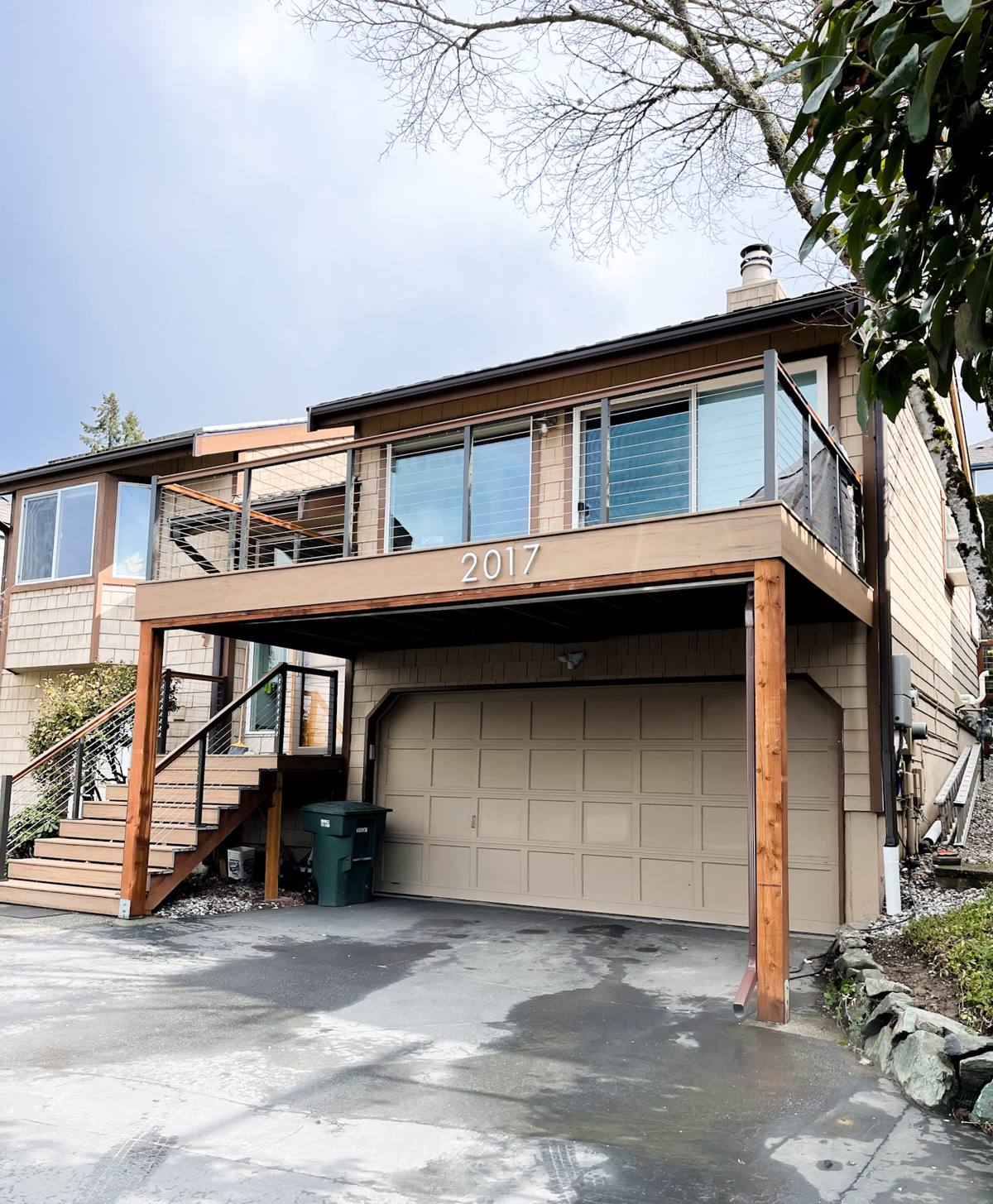
What Whatcom County's Climate Does to Windows Over Time
Every region has a version of "normal wear," and in Whatcom County that wear is driven by sustained moisture rather than heat or hard freezes. A few specific things show up again and again on South Hill homes:
- Salt-tinged air moving inland accelerates corrosion on hardware, screens, and unprotected fasteners over the years.
- Driving rain — wind-pushed, not just falling straight down — finds gaps in flashing and trim that would stay dry in calmer climates.
- Extended moss and algae season keeps north- and west-facing walls damp for weeks at a time, which is exactly the condition wood trim and poor flashing details can't tolerate long-term.
- Condensation load from the wet season shows up on interior glass and sills when a window's seal or installation is already marginal.
None of this means South Hill homes need exotic products. It means the installation details that get skipped in drier climates — proper flashing sequencing, sill pan drainage, correct sealant placement — are not optional here. They're the difference between a window that lasts twenty-plus years and one that starts leaking by year seven.
Signs a South Hill Home Needs Window Replacement, Not Just Repair
Homeowners often call us for a repair quote and end up with a replacement recommendation once we actually look at the window. Some signs are obvious; others take a trained eye.
Obvious signs
- Visible fogging or moisture trapped between panes on double- or triple-glazed units — the seal has failed and can't be fixed, only replaced.
- Wood trim or sill that's soft, discolored, or growing moss right at the window's edge.
- Windows that won't stay open, won't latch, or have warped enough that the sash binds.
- Noticeable draft or cold air movement around the frame when it's windy outside.
Less obvious signs
- Paint that keeps failing at the same spot on the exterior trim year after year — usually a sign moisture is getting behind the material, not just sitting on top of it.
- Interior condensation that's gotten worse over the past few winters, even though nothing inside the house changed.
- A slightly higher heating bill than similar-sized homes nearby, which can point to failed seals rather than an inefficient furnace.
What a Correct Window Installation Actually Involves
The window unit itself is maybe a third of the job. The rest is what happens in the wall opening before and after that unit goes in, and it's where most installation failures actually originate.
Before the new window goes in
We remove the old unit and inspect the rough opening — sill, jack studs, header, and sheathing — for rot or water staining. In a climate like this, hidden damage around old windows is common enough that we treat this step as mandatory, not optional. Any soft or damaged framing gets repaired before anything new is installed; setting a new window into a compromised opening just guarantees a repeat problem.
Sill pan and flashing
A sloped sill pan and correctly shingled flashing (each layer overlapping the one below it, so water is always directed outward and down) is the single most important detail in a wet-climate installation. This is the step that's easiest to rush and the one most responsible for early leaks when it's done poorly.
Setting and sealing the window
The window gets shimmed level and square, fastened per the manufacturer's schedule, and insulated around the frame without over-packing (which can bow the frame and cause operational issues). Sealant goes at the specific points the manufacturer and code call for — not everywhere, and not nowhere. Over-sealing can trap moisture just as badly as under-sealing.
Exterior trim and finish
Trim gets reinstalled or replaced with attention to drainage — no caulking a bottom trim piece solid against the wall in a way that traps water behind it. This is a detail that matters more in a high-moisture area like South Hill than almost anywhere else in the region.
Choosing the Right Window for a South Hill Home
There's no single "best" window brand or material — the right choice depends on the home's exposure, budget, and maintenance appetite. As a general standard, we steer away from products or configurations with a track record of moisture-related problems in wet coastal climates, not because a given manufacturer is bad across the board, but because certain frame materials and designs are more installation-sensitive and less forgiving of the conditions here.
| Frame Material | Typical Lifespan | Maintenance | Notes for This Climate |
|---|---|---|---|
| Vinyl | 20–30 years | Low | Good moisture tolerance; verify reinforced frames on larger openings |
| Fiberglass | 30–40+ years | Low | Dimensionally stable in temperature/humidity swings; higher upfront cost |
| Wood (clad exterior) | 20–30 years | Moderate to high | Interior warmth with exterior protection; exposed wood needs vigilant upkeep here |
| Aluminum | 20–25 years | Low to moderate | Prone to condensation without thermal breaks; less common in new residential installs locally |
Glass packages matter as much as frame material. Double-pane with a quality low-E coating is the baseline we recommend for this area; triple-pane adds performance and sound dampening at a higher cost, which some homeowners value and others don't need depending on the room's exposure.
Our Process for South Hill Window Projects
- On-site assessment — we look at each window opening individually, not just the house as a whole, since exposure varies wall to wall.
- Honest scope and estimate — including whether any openings show signs of hidden rot that could add to the scope once we open the wall.
- Material selection — matched to the home's exposure and the homeowner's budget and maintenance preference, not a one-size push toward a single product line.
- Installation — following the flashing and sealing sequence described above, with attention to the openings we flagged as higher-risk.
- Final walkthrough — operation check, sealant check, and a look at the surrounding trim before we consider the job finished.
Why a Crew That Already Works South Hill Matters
Window installation quality depends heavily on judgment calls that don't show up on a spec sheet — how much flashing overlap a particular wall needs, whether a sill pan needs extra slope because of how a roofline sheds water onto it, whether existing trim is salvageable or should be replaced outright. A crew that's worked a number of South Hill and broader Sudden Valley homes has already seen the patterns: which builders in the area used which framing details, which decades of construction tend to have moisture issues around openings, and how the local weather actually behaves against a given wall exposure. That's the kind of knowledge that shortens the guesswork and reduces the odds of a callback.
Timing a Window Project Around the Local Weather
Window installation can happen in almost any season here, but drier stretches make for cleaner, faster work and less risk of moisture getting into an open wall cavity mid-project. Late spring through early fall tends to offer the most workable weather windows in Whatcom County, though we plan around forecasts and can work through the wetter months with proper temporary weatherproofing when a homeowner needs the work done sooner.
Quick pre-project checklist for homeowners
- Note which windows show visible fogging, drafts, or trim damage so we can prioritize during the assessment.
- Clear furniture and window coverings from the work area ahead of the scheduled date.
- Ask about the specific flashing and sill pan approach we'll use for each opening — a contractor should be able to explain this clearly.
- Confirm what's included in the warranty for both the product and the installation labor, since these are often separate.
- Flag any known past leaks or water stains near a window, even old ones, so we can inspect that opening closely.
If you're weighing a window replacement in South Hill or elsewhere around Sudden Valley, we're happy to take a look and give you a straight answer on what your home actually needs. Reach out for a free, no-pressure estimate using the form below.