 Sudden Valley Siding
 Deck Repair in Sehome: Built for Whatcom County Weather
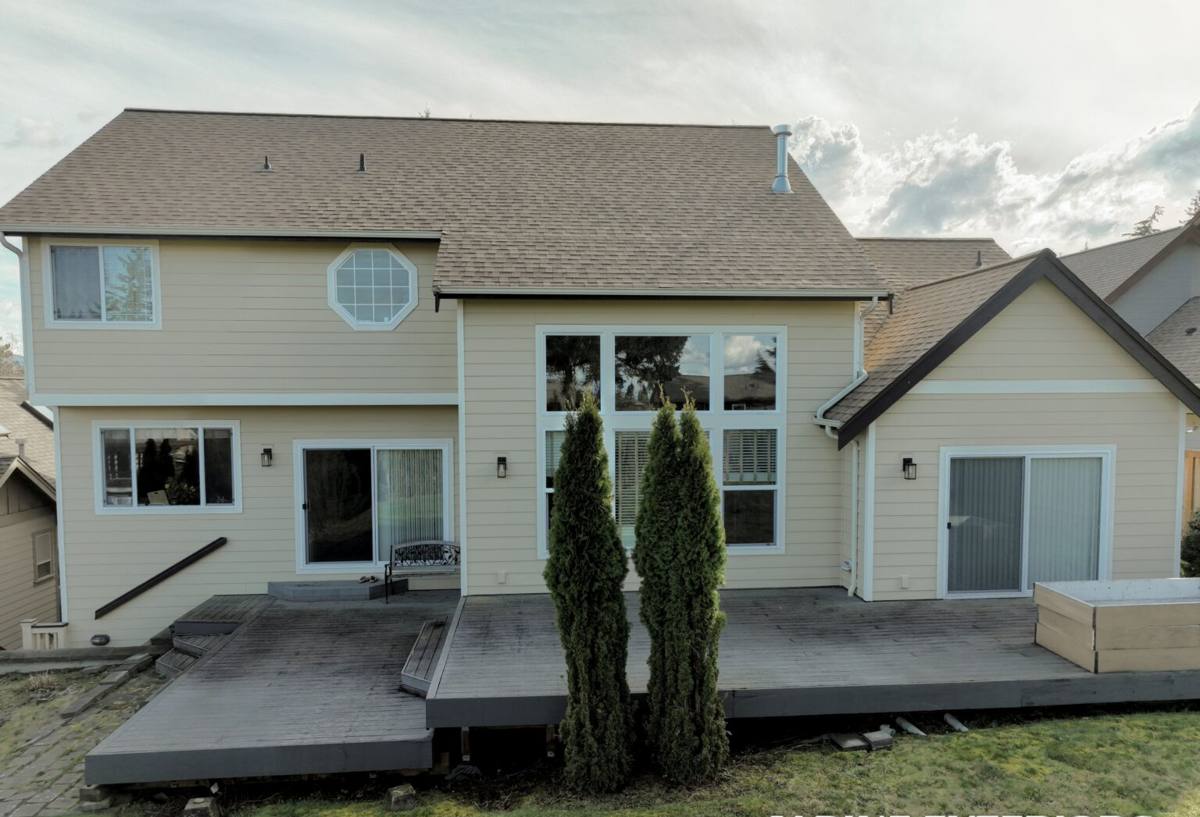
Sehome decks take a different kind of beating than decks further inland. Between the marine air rolling in off Bellingham Bay, the long stretch of driving rain that defines a Whatcom County fall and winter, and the shade that a lot of Sehome's mature trees and hillside lots throw across deck surfaces, wood and composite decks here age faster than their warranty paperwork suggests. We repair decks in this neighborhood on a regular basis, and the failures we see are consistent enough that we can usually tell you what's wrong with a deck before we've finished walking around it.
This page is about deck repair specifically — not full replacement, not general handyman work. If your deck is structurally sound but showing its age, this is the service that gets it back to safe and solid without tearing the whole thing out.
What Salt Air, Rain, and Moss Actually Do to a Deck
It helps to understand the mechanism, because it changes how a repair should be done.
Salt Air
Proximity to the water means airborne salt settles on every exterior surface, including deck hardware. Salt accelerates corrosion in fasteners, joist hangers, and any exposed metal connectors. A deck can look fine on top while the screws and brackets holding it together are quietly rusting underneath. This is one of the most common things we find that a homeowner had no way of seeing from the surface.
Driving Rain
Whatcom County doesn't just get rain — it gets rain that comes in sideways and lingers for days at a time, several months a year. Water finds every seam, screw hole, and end-grain cut on a deck. Once it gets past the surface finish, wood swells, dries, and swells again with every cycle, which is what causes boards to cup, crack, and eventually rot from the inside out. Ledger boards (where the deck attaches to the house) and stair stringers take the worst of it because water tends to collect and sit there longer than on open decking.
Moss and Algae
Sehome's tree cover and the region's damp, mild winters give moss a long season to establish itself — often eight months or more out of the year. Moss holds moisture directly against the wood surface, which speeds up decay underneath it, and it makes deck boards and stairs genuinely slippery and dangerous when wet. A deck that looks "just dirty" from moss and algae buildup is often also losing structural integrity underneath that growth.
Signs Your Deck Needs Repair, Not Full Replacement
Most decks don't fail all at once — they fail in specific spots while the rest of the structure is still good. Here's what tells us a repair makes sense:
- Soft or spongy spots in specific boards, while the framing underneath still feels solid
- Rust staining around fasteners, joist hangers, or post bases
- Railings that wiggle or feel less rigid than they used to
- Stairs that flex, creak, or feel uneven underfoot
- Gaps opening up between boards, or boards cupping and holding standing water
- Visible moss or algae buildup on decking, stairs, or the ledger area
- A ledger board with any gap, staining, or softness where it meets the house
- Localized rot near planters, hot tubs, or anywhere water tends to pool
If the framing, posts, and footings underneath are sound and it's the surface, fasteners, or a handful of boards causing the problem, repair is the right call — it's faster, cheaper, and there's no reason to replace what isn't broken.
What a Correct Deck Repair Actually Involves
A repair that just swaps out the obviously bad boards and calls it done tends to fail again within a season or two, because it doesn't address why those boards failed in the first place. A repair that's done right includes:
1. Structural Inspection First
Before we touch a board, we check the framing, joists, ledger connection, posts, and footings. This is where the hidden salt-air corrosion and hidden rot show up — under the decking, not on top of it. We're not going to fasten new boards to compromised framing.
2. Fastener and Hardware Assessment
Given how much local corrosion we see in exterior hardware, we check joist hangers, structural screws, and post connectors as part of every repair, not just the boards a homeowner called about.
3. Addressing the Water Path, Not Just the Symptom
If a board rotted because water was pooling there, replacing the board without fixing the drainage or flashing just restarts the clock. Correct repair means identifying why water got in and correcting that, whether it's a flashing detail at the ledger, a gap that needs re-sealing, or a slope issue in the decking itself.
4. Matching Materials Properly
New boards need to match the existing decking's species or composite profile closely enough that they perform the same way under moisture and don't create a weak point where old and new material meet.
5. Moss and Growth Removal, Done Without Damage
Pressure washing sounds simple, but too much pressure on wood decking gouges the surface and opens it up to faster water absorption afterward. We use methods and pressure levels matched to the material so we're removing growth, not damaging the wood underneath it.
Our Repair Process
| Step | What Happens |
|---|---|
| 1. Inspection | Full walk of the deck surface, railings, stairs, and accessible framing/hardware underneath |
| 2. Honest Assessment | We tell you plainly whether it's a repair situation or if we're seeing signs that point toward replacement — no upselling either direction |
| 3. Scope and Estimate | Written estimate covering exactly what will be repaired, with materials specified |
| 4. Repair Work | Board replacement, hardware replacement, structural fixes, and moss/algae removal as needed |
| 5. Finish and Protect | Sealing or finishing exposed wood so the repair holds up to the next wet season, not just the current one |
Repair vs. Replacement: How to Tell Which You Need
| Factor | Points Toward Repair | Points Toward Replacement |
|---|---|---|
| Framing/joists | Solid, no significant rot or corrosion | Widespread rot or corroded connections |
| Affected area | Isolated boards, stairs, or railings | Damage spread across most of the deck |
| Age of deck | Under 15-20 years, well-built originally | Original construction is old or was done poorly |
| Footings/posts | Stable, plumb, no movement | Settling, shifting, or undersized for current code |
| Cost of repair | Well under the cost of a new deck | Approaching or exceeding replacement cost |
Broadly, a repair to a structurally sound deck runs a fraction of what a full rebuild costs. We'll give you real numbers once we've seen the deck — anyone quoting a firm price before an inspection is guessing.
A Homeowner's Quick Inspection Checklist
Before you call anyone, a few things you can check yourself from ground level:
- Push on the railing — does it flex more than it should?
- Look under the deck for staining, sagging, or dark streaks running down posts
- Check for gaps or dark staining where the deck meets the house
- Press on a few boards, especially near planters or low spots — any give?
- Look for moss or algae on stairs specifically, since that's your most dangerous spot when wet
- Check fastener heads for rust bleeding into the surrounding wood
None of this replaces a proper inspection, but it'll tell you whether you're dealing with a minor issue or something that shouldn't wait.
Why It Matters That We Already Work in Sehome
A contractor who works this neighborhood regularly already knows what Sehome's tree cover and shade patterns do to moss growth, how the marine air here corrodes hardware faster than it would twenty miles inland, and which parts of a deck take the worst of Whatcom County's rain season. That's not a sales pitch — it changes what we check first, what materials we recommend, and how we sequence the repair around the weather. A crew unfamiliar with the area might miss the hidden corrosion under the decking or use a sealant that isn't suited to this much sustained moisture. Local, repeat experience means fewer surprises and a repair that's actually built for the conditions it has to survive.
Maintaining a Deck After Repair in This Climate
A repair holds up longer with a little seasonal attention, especially here:
- Clear moss and debris from decking and stairs before the wet season sets in each fall
- Reseal or refinish wood decking on the schedule appropriate to the product — this varies by material, and we'll tell you what your specific deck needs
- Keep gutters and downspouts clear so runoff isn't dumping extra water onto the deck surface
- Walk the deck once or twice a year and recheck the same spots on this page's checklist
None of this is complicated, but skipping it is exactly how a small, cheap repair today turns into a bigger one in a few years.
Get an Honest Look at Your Deck
If your Sehome deck has soft spots, rusting hardware, moss buildup, or railings that don't feel as solid as they used to, it's worth having someone look before those problems spread. We'll give you a straightforward inspection and a written estimate for what it actually needs — repair or otherwise — with no pressure either way. Reach out below for a free estimate.