 Sudden Valley Siding
 Building a Deck That Actually Holds Up in Cordata
A deck in Cordata has to earn its keep through a long, wet Pacific Northwest year. This part of Whatcom County gets months of steady drizzle broken up by hard, wind-driven rain events, damp air that carries a trace of salt off the Sound, and a moss season that can stretch from fall through spring. None of that is exotic — it's just the normal climate here — but it means a deck built the way it would be in a drier region will start failing early. The framing stays wet longer, fasteners corrode faster, and any spot where water can sit instead of shed will grow moss, algae, or rot before you'd expect it to.
This page covers what a deck built for Cordata's conditions actually needs — from the ground up — and how we approach the build so it's still solid a decade or two from now, not just good-looking the day it's finished.
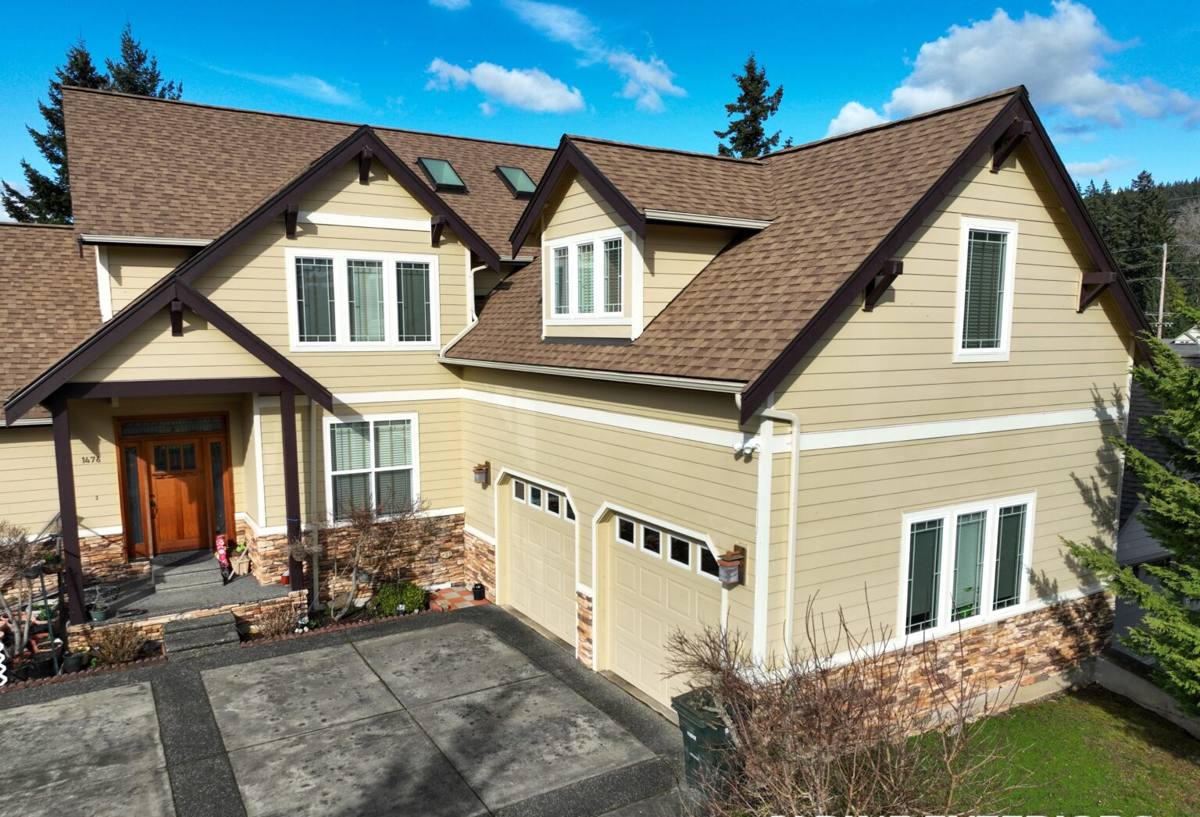
What Driving Rain and Moss Season Do to an Under-Built Deck
Most deck failures we get called out to inspect aren't dramatic collapses — they're slow, quiet problems that started small and got ignored because they were hidden underneath the deck boards or behind a railing post.
The usual failure points
- Ledger board attachment — where the deck bolts to the house is the single most common failure point in this climate, because it's a joint that has to stay watertight through years of wind-driven rain.
- Joist tops — end grain and joist tops soak up water that runs off the decking above; without protection they start rotting from the inside before the surface shows anything.
- Post bases — posts set directly in or near standing water, or without a gap between the post bottom and the concrete, wick moisture upward for years.
- Fasteners — standard or mismatched hardware corrodes in our damp, mildly salt-influenced air, staining the wood and eventually losing grip strength.
- Shaded, low-airflow areas — decks tucked under trees or against the house with poor airflow hold onto moss and algae longer each year, and that moisture sits against the wood the whole time.
Every one of these is preventable with the right materials and sequencing. None of them show up as a problem in the first year or two — that's exactly why they get built in wrong so often.
Decking Material: What Actually Performs Here
There's no single "best" decking material — there's a best fit for your budget, your maintenance appetite, and how much sun or shade the deck sits in. Here's how the common options actually perform in Cordata's climate specifically.
| Material | Moisture Behavior | Maintenance | Typical Lifespan Here |
|---|---|---|---|
| Pressure-treated lumber | Resists rot when sealed and maintained; end cuts need re-treating | Annual cleaning and re-sealing recommended | 15–20 years with upkeep |
| Cedar | Naturally rot- and insect-resistant, but softer and needs sealing to hold color and shed water | Sealing every 1–2 years, regular cleaning | 20–25 years with upkeep |
| Composite (capped) | Won't rot or absorb water into the core; surface can still hold moss/algae if shaded | Periodic washing, no sealing or staining | 25–30+ years, manufacturer-warrantied |
| Uncapped composite (older type) | Can absorb moisture at the surface over time in constant damp conditions | Moderate — occasional cleaning | Shorter than capped composite in wet climates |
In a heavily shaded, moss-prone yard, we generally steer homeowners toward capped composite or well-maintained cedar over uncapped composite — the capped surface sheds water and resists the kind of green film that builds up fast under tree cover here. That said, plenty of well-built pressure-treated decks last decades in this climate too, as long as the owner keeps up with sealing on a real schedule. We'll walk through the honest trade-offs for your specific site rather than push one product line.
Substructure: Where a Deck's Real Lifespan Gets Decided
The decking surface is what you see; the framing underneath is what determines whether the deck is still safe in fifteen years. In a climate that stays damp as much of the year as ours does, three things matter more here than they would in a drier region.
Ledger attachment and flashing
Where the deck ties into the house needs proper flashing that directs water out and away from the band joist, not a caulk bead and hope. This is the joint most likely to let water into the house structure itself if it's done wrong, and it's also the hardest one to inspect once the deck is built — so it has to be right the first time.
Footings sized for our ground
Footings need to go below frost depth and bear on soil that isn't going to shift with seasonal saturation. Whatcom County's building department has specific footing and setback requirements, and permitted decks get inspected at the footing stage before anything gets built on top — that inspection exists for a reason.
Joist protection and fastening
Joist tape or an equivalent moisture barrier over the joist tops, combined with coated or stainless fasteners rated for treated lumber and coastal-influenced air, is the difference between framing that lasts and framing that quietly rots from the top down under the decking.
Railings, Stairs, and Code
Railings and stairs are the parts of a deck people touch and lean on the most, and they're also where corner-cutting shows up as a safety issue rather than just a cosmetic one. Whatcom County follows the state building code for guard height, baluster spacing, and stair rise/run — those numbers aren't optional, and a permitted project gets checked against them. Beyond meeting code, we build railings and stair stringers with the same moisture logic as the rest of the deck: protected end grain, proper fastening, and hardware that won't streak or seize up after a few wet winters.
Our Deck-Building Process
We keep the process straightforward and communicate at each stage rather than disappearing until it's done.
- On-site assessment — we look at the site, sun/shade exposure, drainage, and how the deck will tie into the house before recommending materials.
- Design and material selection — we walk through the honest pros and cons of each decking option for your specific yard, not a one-size answer.
- Permitting — we handle the Whatcom County permit and coordinate the footing inspection so nothing gets built out of sequence.
- Footings and framing — footings, ledger attachment and flashing, and structural framing, built to hold up through wet winters, not just pass inspection.
- Decking, railings, and stairs — installed with attention to fastening pattern, spacing for drainage and seasonal movement, and clean finish work.
- Final walkthrough — we go over basic care for whatever material you chose so you know what upkeep actually looks like.
Deck Maintenance Checklist for This Climate
Whatever material you choose, a little seasonal attention keeps a deck performing the way it was built to. This is what we recommend to homeowners here:
- Sweep leaves and debris off the deck surface regularly through fall — trapped organic matter is what feeds moss and algae growth.
- Rinse or wash the deck surface at least once or twice a year, more often in shaded areas prone to green buildup.
- Check that gaps between boards are clear so water can drain through rather than pooling.
- Inspect fasteners and railing connections annually for looseness or corrosion staining.
- Re-seal or re-stain wood decking on the schedule appropriate to that product — don't wait until it looks gray and dry.
- Keep gutters and downspouts near the deck clear so roof runoff isn't dumping extra water onto or under the structure.
Why Hiring a Crew That Already Works in Cordata Matters
A deck built from a generic national playbook doesn't account for what this specific climate does to lumber, fasteners, and finishes over years of driving rain and moss season. A crew that regularly works Cordata and the surrounding Sudden Valley area already knows which details — flashing at the ledger, joist protection, fastener grade, material choice for shaded yards — actually matter here, because we've seen what happens when they're skipped. That local experience shows up less in the finished look of the deck and more in how it's still performing ten or twenty years out.
If you're planning a new deck or replacing one that's showing its age, we're happy to come take a look, talk through material options honestly, and give you a straightforward estimate — no pressure, no upsell. The form below is the easiest way to get started.