 Sudden Valley Siding
 Roof Replacement Built for the Lake Whatcom Microclimate
Homes around Lake Whatcom sit in a pocket of Whatcom County that takes more weather abuse than a lot of homeowners realize. You've got moist marine air pushing in off the Sound, driving rain that comes in sideways during fall and winter storms, and a tree canopy dense enough that moss and algae get a running start on any roof that isn't shedding water fast enough. A roof replacement out here isn't just about swapping old shingles for new ones — it's about building a roofing system that's actually matched to how this specific area behaves year after year.
We work on homes around Sudden Valley and the Lake Whatcom shoreline regularly, and the failures we get called out for follow a pattern: moss holding moisture against the roof deck, valleys and flashing that were never detailed for this much rain volume, and attic ventilation that wasn't sized for a roof shaded most of the day by tall conifers. A correct replacement addresses all three, not just the shingles on top.
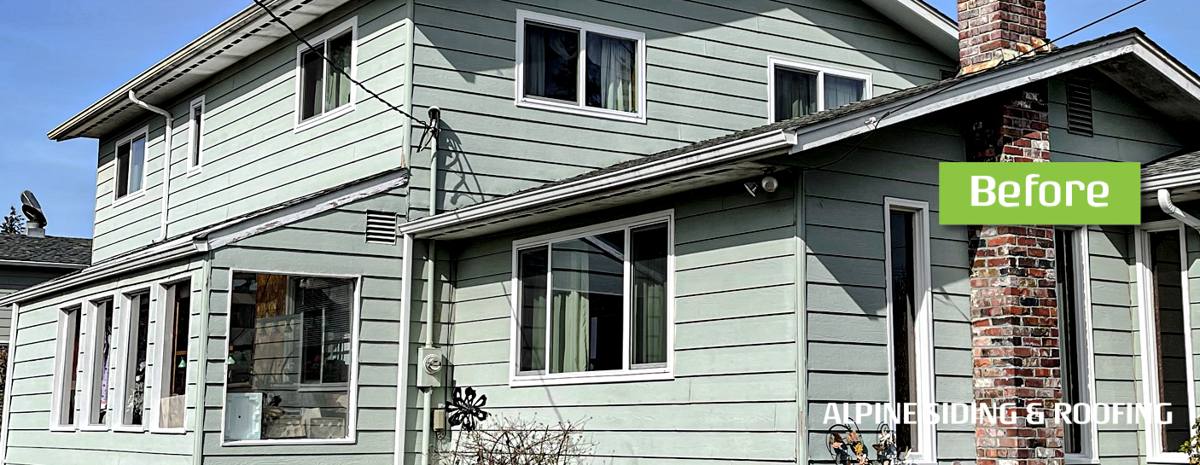
Why Lake Whatcom Roofs Wear Differently Than Roofs Elsewhere in the County
Three things stack up against roofs in this area more than in drier, more open parts of Whatcom County:
- Shade and moisture retention. Mature tree cover keeps roof surfaces damp longer after rain, which is exactly the environment moss and algae need to take hold.
- Driving rain and wind-driven water. Storms moving through the lake basin push rain at an angle, which finds weak points in flashing, valleys, and roof-wall intersections that a straight-down rain would never reach.
- A long moss season. In a lot of the region, moss growth slows down in summer. Around the lake, enough shade and moisture linger that moss can keep gaining ground for a good chunk of the year, which means it needs to be designed against, not just cleaned off periodically.
None of that means Lake Whatcom homes need exotic materials. It means standard materials need to be installed with the right underlayment, the right ventilation, and the right flashing details for the conditions here — that's where most of the difference between a roof that lasts and one that doesn't actually comes from.
Signs a Lake Whatcom Roof Needs Replacement, Not Repair
Repair makes sense for isolated problems. Replacement becomes the honest recommendation once damage is spread across the roof or the underlying deck has started to suffer. Common signals we look for:
- Moss established in mats rather than a light dusting — mats hold water against the roofing material continuously
- Granule loss on asphalt shingles heavy enough to see bare mat showing through in multiple spots
- Soft or spongy decking felt underfoot during inspection, especially near valleys and eaves
- Daylight or staining visible in the attic along the roof line
- Shingles cupping, curling, or cracking across large sections rather than a few isolated pieces
- A roof already past 20-25 years old with two or more of the issues above
If a roof only shows one or two localized issues, we'll say so and recommend a repair instead. Replacement is a bigger investment, and it should only get recommended when it's actually the right call.
What a Correct Replacement Involves Around Lake Whatcom
Tear-Off and Deck Inspection
Old roofing comes off down to the deck, which is the only way to catch the moisture damage that's often hiding underneath — especially around valleys and chimneys, where driving rain does most of its work over the years. Any soft or rotted sheathing gets replaced before anything new goes down. Skipping this step is the single most common shortcut that leads to early failure.
Underlayment Suited to High-Moisture Conditions
Given how much rain and shade this area sees, we don't treat underlayment as an afterthought. A synthetic or self-adhered membrane rated for this climate, with extra ice-and-water protection at eaves and valleys, does more for a roof's long-term performance here than most homeowners expect.
Ventilation Sized for Shaded Roofs
A shaded roof stays cooler and damper longer than one in full sun, which changes how it needs to breathe. Balanced intake and exhaust ventilation keeps the attic dry and helps the roof deck shed moisture instead of trapping it — which directly slows how fast moss and algae can re-establish.
Flashing Details at Every Transition
Valleys, chimneys, skylights, and roof-to-wall junctions are where driving rain finds a way in. These get properly lapped, sealed, and in most cases upgraded during a replacement rather than reusing old flashing that was never sized for this much wind-driven water.
Material Options for This Area
There's no single "best" material — the right choice depends on your home's exposure, roof pitch, budget, and how much moss maintenance you want to sign up for long-term.
| Material | Moss & Moisture Behavior | Maintenance | Typical Lifespan |
|---|---|---|---|
| Architectural asphalt shingles | Good with algae-resistant granules; needs proper ventilation to perform well in shade | Periodic moss treatment recommended in heavy shade | 25-30 years |
| Metal roofing | Sheds water fast; moss struggles to hold on a smooth, sloped metal surface | Low; occasional debris clearing | 40-50+ years |
| Cedar shake | Attractive but absorbs and holds moisture in shaded, damp conditions — highest moss risk of the three | Regular treatment and inspection needed to manage moisture retention | 20-30 years with diligent upkeep |
For heavily shaded lots directly under tree cover, we'll often walk homeowners through metal or a high-grade algae-resistant asphalt product rather than cedar — not because cedar is a bad material, but because its moisture-holding tendencies work against it specifically in this kind of shade-and-rain combination. That's a maintenance-burden and moisture-behavior tradeoff, not a knock on the product itself.
Our Replacement Process
- On-site inspection. We look at the roof, the attic, and the deck condition, and walk the property to understand sun exposure and tree cover specific to your lot.
- Written scope and estimate. You get a clear breakdown of materials, labor, and what's included — no vague allowances.
- Tear-off and deck repair. Old material removed, deck inspected and repaired as needed before anything new goes on.
- Underlayment and flashing installed to spec for this area's rain and moisture load, not a generic minimum.
- New roofing installed with attention to ventilation balance and moss-prevention details at ridges and valleys.
- Final walkthrough and cleanup including magnetic sweep for debris and a review of warranty coverage.
What Affects the Cost of a Lake Whatcom Roof Replacement
| Factor | Why It Matters Here |
|---|---|
| Roof pitch and access | Steeper roofs and limited driveway/lot access around the lake can add labor and staging time |
| Deck condition | Rot found during tear-off (more common on shaded, moisture-prone roofs) adds material and labor |
| Material choice | Metal costs more upfront than asphalt but needs less moss-related maintenance over time |
| Ventilation upgrades | Adding proper intake/exhaust venting on an older, poorly-vented roof is a worthwhile add, not just a base-cost item |
| Valley and flashing complexity | Homes with dormers, chimneys, or multiple roof planes need more detail work for wind-driven rain |
We won't quote a number without seeing the roof — pitch, square footage, deck condition, and material choice all move the price. What we can promise is a written estimate that spells out exactly what's included, with no surprise add-ons once the crew is on the roof.
Why a Crew That Already Works Lake Whatcom Matters
A roofing crew that mainly works flatter, sunnier ground elsewhere in Whatcom County will size ventilation and pick underlayment based on conditions that don't match what happens around this lake. A crew that's used to shaded, moss-prone, rain-heavy roofs around Sudden Valley knows to check moisture at the deck before it's a visible problem, knows which valleys tend to collect debris and need extra attention, and doesn't treat moss prevention as an afterthought. That local pattern-recognition is worth more than it sounds like on paper — it's the difference between a roof that needs attention again in eight years and one that goes the full stretch of its warranted life.
Before You Hire — A Quick Checklist
- Ask whether they inspect and photograph the deck condition before quoting a final price
- Confirm the underlayment and flashing spec they're proposing, not just the shingle brand
- Ask how they'll handle attic ventilation given your roof's sun/shade exposure
- Get the warranty terms in writing — both material and workmanship coverage
- Ask for a clear, itemized estimate rather than a single lump-sum number
- Confirm cleanup and debris removal, including magnetic sweeps for nails, are included
If your roof around Lake Whatcom is showing moss buildup, granule loss, or you're just not sure whether it needs repair or full replacement, we're happy to take a look. The estimate is free, there's no pressure to commit on the spot, and you'll get a straight answer about what your roof actually needs — just fill out the form below to get started.