 Sudden Valley Siding
 Windows Built for Happy Valley's Weather, Not Just Any Weather
Happy Valley homes sit close enough to the water and tree cover around Sudden Valley that windows here take a different kind of beating than windows across town in a dry, open lot. Salt-laden air off the water works into weep holes and hardware. Driving rain — the sideways kind that Whatcom County gets more of than most people expect — tests every seal and flashing detail a window has. And the long, damp moss season that runs from fall through spring keeps trim, sills, and frame edges wet for weeks at a stretch. A window that's fine in a drier climate can fail early here if it wasn't installed with this specific environment in mind.
We work in Happy Valley regularly, which matters more than it might seem. We already know which exposures on which streets take the worst weather, what kind of moisture problems tend to show up in homes of this area's typical age and construction, and how the local permitting and inspection process runs. That local familiarity shortens the guesswork and speeds up the job.
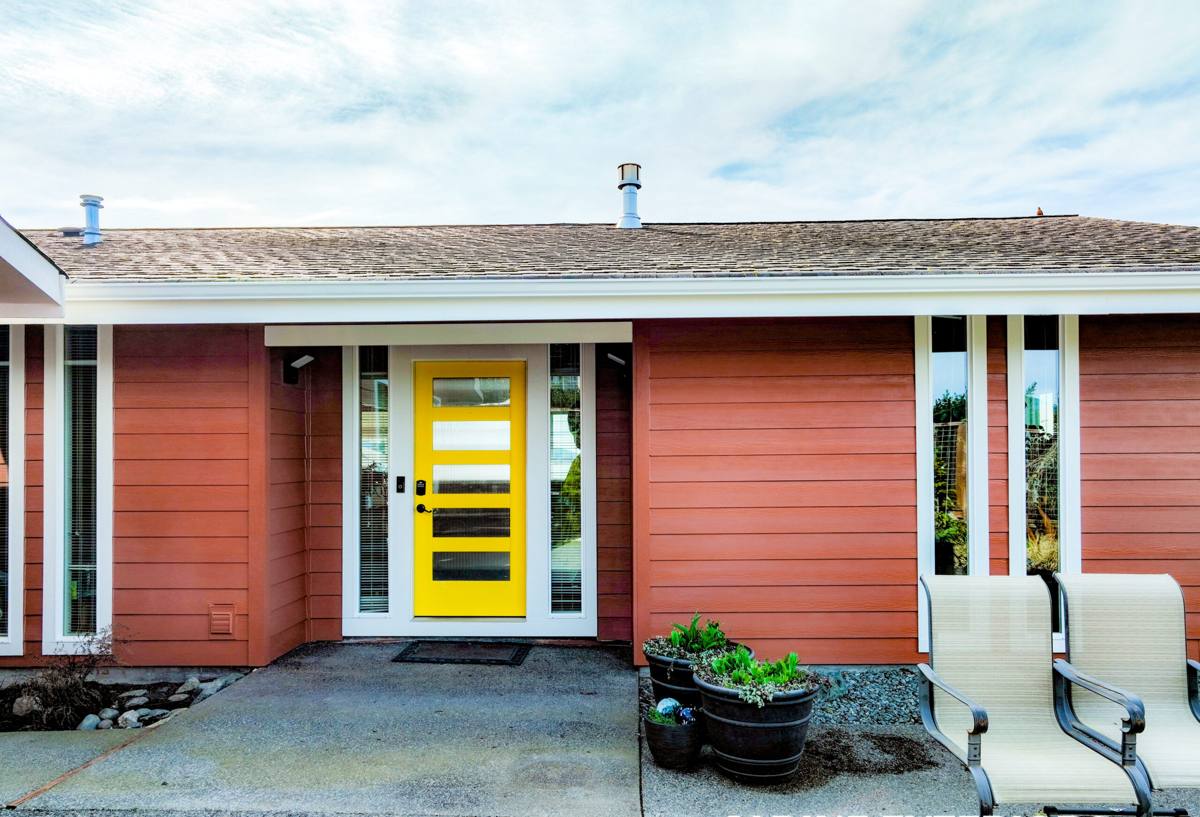
Signs a Happy Valley Home Needs Window Replacement
Not every window problem means full replacement, but in this climate, several symptoms point that direction fairly reliably:
- Fogging or a hazy film between the glass panes — the seal has failed and the insulating gas is gone
- Soft, spongy, or visibly rotted wood at the sill or lower frame corners
- Windows that are noticeably harder to open, close, or lock than they used to be
- Persistent condensation on the inside of the glass during cold, wet stretches
- Visible gaps between the frame and the siding or trim, or daylight showing around the edges
- A cold draft near the window even when it's fully shut and locked
- Paint that keeps peeling or bubbling on the interior or exterior frame despite repainting
Any one of these can be worth a look. Several together, especially on a window facing the prevailing weather, usually means the unit is past the point where caulk and weatherstripping will fix it.
What Correct Window Replacement Actually Involves
Swapping a window sounds simple — old one out, new one in — but the parts that actually determine whether it lasts happen at the flashing and sealing stage, not at the glass. A window is only as good as the water management around it.
Removal and Opening Prep
We remove the existing window carefully to avoid damaging the surrounding siding and framing, then inspect the rough opening. This is the point where hidden rot or moisture damage from years of driving rain often shows up, and it needs to be dealt with before anything new goes in — covering over a damp or damaged opening just hides the problem for a few more years.
Flashing and Water Management
This is the step that separates a window that lasts from one that doesn't in a wet, salt-air climate. Proper flashing tape and sill pan details route any water that gets past the exterior cladding back out, rather than letting it pool at the sill or wick into the framing. Given how much moisture Happy Valley homes deal with over a typical winter, we don't treat this as optional or a place to save time.
Setting, Shimming, and Sealing
The new window has to be set plumb, level, and square, then shimmed and fastened according to the manufacturer's instructions — skipping or shortcutting this step is one of the most common causes of premature seal failure and operational problems down the road. Sealing happens on the outside where it sheds water and on the inside where it stops air leakage, using materials suited for our climate rather than a one-size-fits-all approach.
Interior and Exterior Finish
Trim, casing, and any siding disturbed during the swap gets finished back to match, and the work area gets cleaned up. A finished window should look like it was always there.
Choosing the Right Window for This Climate
Whatcom County's mix of salt air, rain, and prolonged damp doesn't rule out any one window material outright, but it does change what deserves extra attention.
| Frame Material | How It Handles This Climate | What to Watch |
|---|---|---|
| Vinyl | Doesn't rot or corrode from salt air; low maintenance | Quality of the weld and reinforcement varies a lot between manufacturers |
| Fiberglass | Very stable in temperature swings and damp conditions; holds paint well | Higher upfront cost than vinyl |
| Wood (clad exterior) | Warm interior look with a protective exterior shell | Any breach in the cladding exposes wood to rot risk over time |
| Aluminum | Strong and slim sightlines | Prone to condensation and, without a thermal break, poor insulation in our climate |
Glass matters as much as frame material. We generally recommend double-pane units with a low-E coating and argon fill for this area — the coating helps manage heat loss during our long gray, wet stretches, and a properly sealed insulated glass unit resists the fogging that shows up early when a cheaper seal meets constant humidity.
Cost Factors Homeowners in Happy Valley Should Know
Every home and window opening is different, so we don't quote sight unseen, but the main factors that move the price are consistent from job to job:
| Factor | Why It Affects Cost |
|---|---|
| Window size and configuration | Larger or multi-panel units cost more in materials and labor |
| Frame material | Vinyl is generally the most budget-friendly; fiberglass and clad wood cost more upfront |
| Condition of the rough opening | Rot or framing damage found during removal adds repair time before the new window can go in |
| Retrofit vs. full-frame replacement | Full-frame replacement (removing exterior trim and flashing entirely) costs more but is sometimes the right call on a badly weathered opening |
| Number of windows done at once | Bundling multiple windows in one visit typically lowers the per-window cost |
As a broad range, straightforward single-window replacement often falls in the low-to-mid thousands per opening depending on size and material, with full-frame work or larger custom units running higher. An accurate number only comes from seeing the actual openings and their condition.
Retrofit vs. Full-Frame Replacement
This decision matters more here than in a drier climate, because it directly affects how well the new window handles wind-driven rain. A retrofit (also called a pocket or insert replacement) fits a new window into the existing frame and is faster and less invasive. It works well when the existing frame is still sound and properly flashed. Full-frame replacement removes the window down to the rough opening, including exterior trim, and is the right choice when there's evidence of moisture damage, when the flashing behind the existing frame is questionable, or when window size or style is changing. We'll tell you honestly which situation you're in rather than defaulting to the cheaper option if it isn't the right one.
Why a Crew That Already Works Happy Valley Matters
Window replacement done wrong doesn't usually fail on day one — it fails two or three winters later, when a poorly flashed sill finally lets water into the framing during a hard rain event. By then the damage is hidden behind new trim and paint. A crew that already knows this area's weather pattern, the typical construction of homes here, and where moisture problems tend to originate is less likely to make that mistake in the first place. We also carry the right permitting knowledge for this jurisdiction and know how to sequence the work so a home isn't left with an open wall in the middle of a rain system.
Our Process, Start to Finish
- Free on-site estimate — we measure openings, check for existing moisture or rot issues, and talk through material options
- Written proposal with clear scope, window specifications, and pricing — no vague allowances
- Scheduling that accounts for weather, so installation happens during a reasonable window rather than forcing it during a storm system
- Removal, opening inspection, and any necessary repair before the new window goes in
- Proper flashing, setting, and sealing using climate-appropriate materials
- Interior and exterior finish work to match the surrounding trim and siding
- Final walkthrough so you can see and test the finished windows before we consider the job done
Maintaining New Windows in a Wet, Salty Climate
A well-installed window still benefits from a little seasonal attention here. Rinsing accumulated salt residue off exterior frames a couple of times a year helps, especially on the sides of the house that face open water or prevailing wind. Keeping weep holes clear of debris and moss growth lets the window drain the way it was designed to. And a quick visual check of exterior caulking each fall, before the wet season sets in, catches small gaps before they become a moisture path. None of this is heavy maintenance, but skipping it lets small issues turn into bigger ones over a few wet winters.
If your Happy Valley home has windows showing any of the signs above, or you're simply ready to stop losing heat and fighting drafts every winter, we're glad to take a look. Estimates are free, there's no pressure to commit on the spot, and you'll get a straight answer about whether replacement is actually needed. Use the form below to get started.