 Sudden Valley Siding
 Roofs in Geneva Wear on Their Own Timeline
Geneva sits close enough to Lake Whatcom and the broader Whatcom County weather pattern that its roofs rarely fail the way a textbook roof does. Instead of one dramatic leak, most Geneva roofs go through a slow decline: moss creeping in from the north-facing slopes, granules washing into the gutters a little more every winter, and moisture working into places a homeowner can't see until a stain shows up on a ceiling. By the time that stain appears, the underlying deck has usually been wet, on and off, for a couple of seasons already.
That's the case for roof replacement being a planned decision here, not an emergency reaction. Homes in this part of Whatcom County that get ahead of the problem end up spending less over the life of the roof than homes that patch the same trouble spot three or four times before finally replacing the whole system.
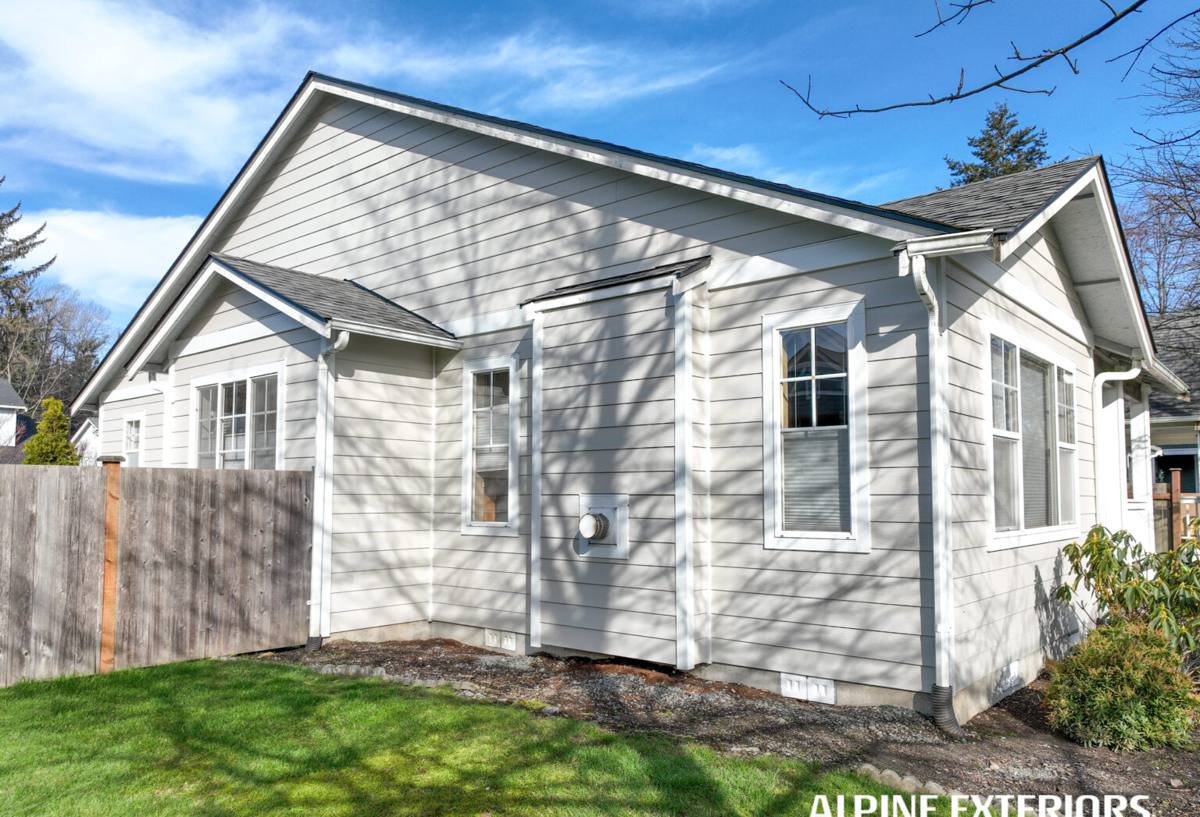
What the Local Climate Actually Does to a Roof
Three things drive roof failure in Geneva more than anything else, and they compound each other:
Moss and Organic Growth
The long stretch of overcast, damp weather from fall through spring gives moss and algae months to establish themselves, especially on shaded north- and east-facing slopes and anywhere trees overhang the roofline. Moss doesn't just look bad — its root structure lifts shingle edges, holds water against the roof surface, and accelerates granule loss. Left alone, a mossy roof ages years faster than a clean one.
Driving, Sustained Rain
Whatcom County doesn't usually get the kind of violent downpours that overwhelm a roof in one event. What it gets instead is long-duration rain, sometimes pushed sideways by wind off the lake or the Sound, that finds every weak seam, nail pop, and worn flashing detail over time. Slow, chronic moisture intrusion is harder to catch than a sudden leak because it shows up as gradual rot rather than an obvious event.
Salt-Tinged, Humid Air
Proximity to Puget Sound air masses means metal components — flashing, fasteners, drip edge, vent caps — corrode faster here than they would in a dry inland climate. Cheaper or mismatched metal shows rust streaks and pinholing well before its rated lifespan, which is a common cause of hidden leaks around chimneys, skylights, and roof-wall intersections.
Signs a Geneva Roof Needs Replacement, Not Another Repair
Not every roof problem calls for a full replacement, but a few signs reliably mean patching is just delaying the inevitable:
- Granule loss heavy enough to show bald patches or fill gutters with grit every time it rains
- Moss that returns within a season or two of cleaning, even after treatment
- Shingles that are curling, cupping, or cracking across multiple slopes rather than one isolated area
- Soft or spongy decking felt underfoot in the attic, or daylight visible through the roof boards
- Leaks that reappear in a new spot after a repair, suggesting the underlayment has failed broadly rather than in one place
- A roof at or past 20-25 years old (asphalt) that has never been fully replaced, only patched
If two or more of these apply, a replacement estimate is worth getting before another wet season adds more damage to the deck underneath.
What a Correct Roof Replacement Involves
A roof replacement done right in this climate is about what happens underneath the shingles as much as the shingles themselves.
Full Tear-Off, Not an Overlay
We remove the existing roofing down to the deck rather than layering new shingles over old ones. An overlay hides rot, traps moisture, and voids most material warranties — it's a shortcut that costs the homeowner later, and it's not a shortcut we take.
Deck Inspection and Repair
Every section of exposed decking gets checked for soft spots, delamination, and water staining. Any bad sections are cut out and replaced before anything new goes down. Skipping this step is the single most common reason a "new" roof leaks within a few years.
Ice and Water Barrier at Vulnerable Points
Eaves, valleys, and any low-slope transitions get a self-adhering waterproof membrane underneath the main underlayment. In a climate with long rain events and occasional cold snaps, these are the spots most likely to back up water under the shingles.
Ventilation That Actually Balances
Intake at the eaves and exhaust at the ridge need to work together. Poor ventilation traps moist attic air against the underside of the deck, which is one of the quieter causes of rot and moss growth from the inside out. We check the existing ventilation math on every replacement rather than assuming what's there is adequate.
Corrosion-Resistant Flashing and Fasteners
Given how hard the local air is on unprotected metal, we use flashing and fastener materials rated for coastal-adjacent exposure at chimneys, skylights, sidewalls, and any roof-to-wall transitions — the spots most prone to slow leaks.
Choosing a Roofing Material for a Geneva Home
There's no single "best" material — the right choice depends on the roof's slope, sun exposure, tree cover, and the homeowner's maintenance appetite. Here's how the common options actually perform under Whatcom County's moss-and-moisture conditions:
| Material | Moss/Algae Resistance | Typical Lifespan Here | Maintenance Needs |
|---|---|---|---|
| Standard asphalt shingle | Moderate; benefits from copper/zinc strips | 18-25 years | Periodic moss treatment and gutter clearing |
| Algae-resistant (AR) shingle | Good; granules embed algae-inhibiting minerals | 20-25 years | Lower moss upkeep, still needs debris clearing |
| Metal (standing seam) | Very good; sheds moisture, little organic growth | 40-50+ years | Low, mainly fastener/sealant checks over time |
| Cedar shake | Poor without diligent upkeep; retains moisture | Highly variable | High — regular treatment or accelerated rot risk |
For most Geneva homes with tree cover and shaded slopes, we steer clients toward algae-resistant asphalt or metal. We generally advise against untreated cedar shake in heavily shaded settings — not because it's a bad product on paper, but because the maintenance schedule needed to keep it performing well here is more than most homeowners want to keep up with, and the moisture retention risk in a shaded, damp lot is real.
Cost Factors for a Geneva Roof Replacement
Every roof is priced individually, but the same handful of factors move the number up or down on nearly every job we quote:
| Factor | Why It Matters |
|---|---|
| Roof size and number of slopes | More area and more complexity means more material and labor time |
| Existing layers to remove | A second or third tear-off layer adds disposal cost and labor |
| Deck condition | Rotted sections found during tear-off require sheathing replacement |
| Pitch and access | Steep or hard-to-access roofs need more safety equipment and time |
| Material selection | Standard asphalt, AR shingle, and metal carry different material costs |
| Ventilation upgrades | Adding intake/exhaust vents where the current setup is inadequate |
We don't quote a number without seeing the roof — anyone offering a firm price over the phone is guessing. A proper estimate includes a walk of the roof and, when accessible, a look in the attic to check decking and ventilation before any number is put on paper.
How Our Process Works
- Inspection: We walk the roof and check the attic where accessible, noting moss patterns, flashing condition, and any soft decking.
- Written estimate: A clear scope of work and price, with material options explained in plain terms — no pressure to decide on the spot.
- Scheduling around the weather: Given how much rain factors into timing here, we plan tear-off days around the forecast and keep the roof protected if conditions shift mid-job.
- Tear-off and deck repair: Old roofing removed, decking inspected and repaired as needed, debris hauled off site.
- Underlayment, flashing, and material installation: Waterproof barrier at vulnerable points, corrosion-resistant flashing, then the new roofing system installed to manufacturer spec.
- Final walkthrough: We review the finished roof with the homeowner, including gutter and ventilation checks, before calling the job complete.
Why It Matters That a Crew Already Works This Area
A roof replacement isn't just about installation technique — it's about knowing how a specific microclimate behaves. A crew that regularly works Geneva and the surrounding Sudden Valley and Lake Whatcom area already knows which slopes hold moss longest, which flashing details tend to fail first on homes with heavy tree cover, and how to sequence a tear-off around the region's rain patterns instead of getting caught mid-job by weather that a visiting crew from a drier climate might not plan for. That familiarity shows up in fewer callbacks, not just a faster quote.
Keeping a New Roof Performing After Installation
A correctly installed roof still benefits from basic upkeep, especially in this climate:
- Clear gutters and downspouts at least twice a year, more often under heavy tree cover
- Have moss treated at the first sign of regrowth rather than waiting for a visible mat to form
- Trim back overhanging branches to reduce shade, debris buildup, and physical abrasion on the roof surface
- Schedule a quick visual check after any major windstorm to catch lifted shingles or dislodged flashing early
- Keep an eye on attic ventilation — blocked vents undo a lot of the moisture protection built into the new roof
If a roof in Geneva is showing its age, moss you can't keep ahead of, or a leak that keeps finding a new spot after being patched, we're happy to take a look and give an honest read on whether repair still makes sense or replacement is the better long-term move. Reach out for a free, no-pressure estimate using the form below.