 Sudden Valley Siding
 Roof Replacement Built for Bellingham's Weather, Not a Generic Spec Sheet
Bellingham roofs don't fail the way roofs fail in drier parts of the country. Around here, the enemy isn't one big storm — it's months of low-grade moisture pressure, salt-laden air off Bellingham Bay and the Sound, and a moss season that runs longer than most homeowners realize. A roof replacement done right in this area has to account for all of that from the underlayment up, not just swap old shingles for new ones and call it done. We work Sudden Valley, Bellingham, and the surrounding Whatcom County communities regularly, and the roofs we replace here get built differently than a roof we'd spec somewhere dry and inland.
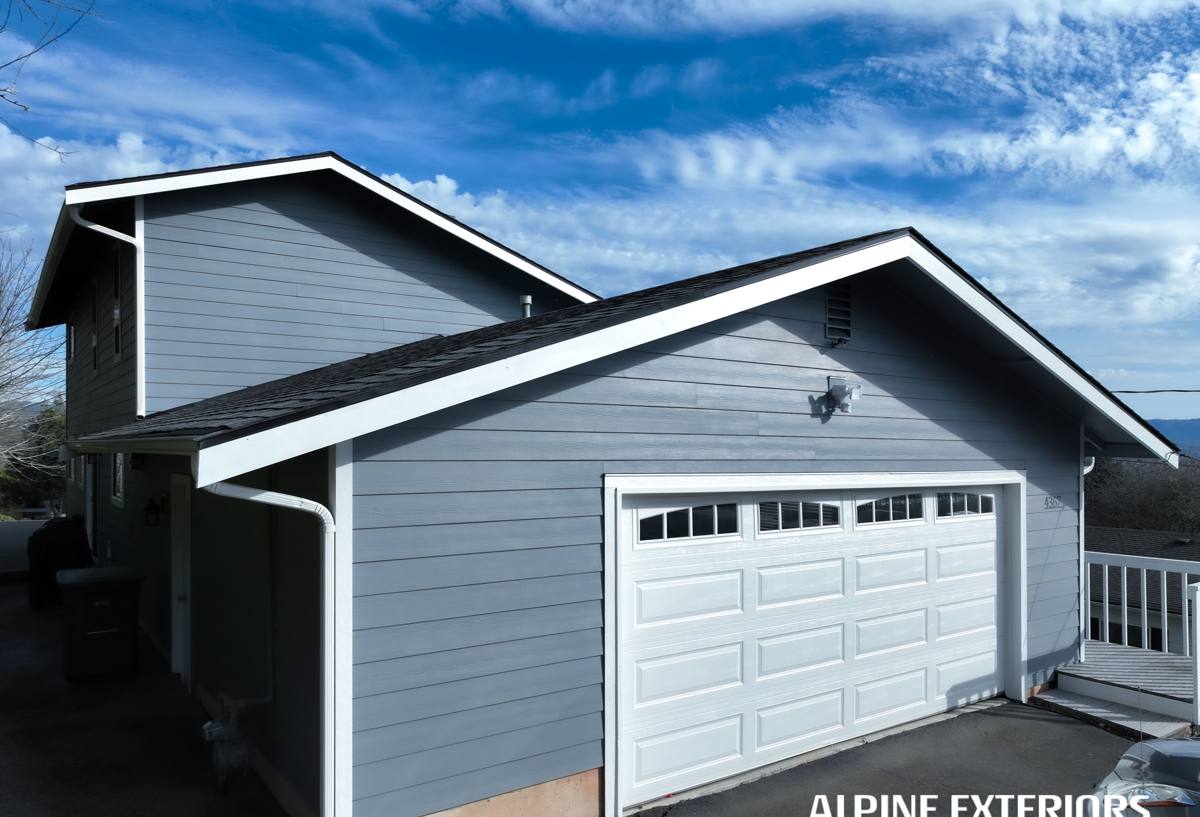
What Whatcom County Weather Actually Does to a Roof
Salt Air and Driving Rain
Proximity to saltwater speeds up corrosion on exposed metal — flashing, fasteners, vent caps, and gutter hardware take the brunt of it. Cheap or mismatched metal components corrode faster here than the same parts would inland, and once flashing starts to go, water finds its way behind it. Combine that with driving rain that comes in at an angle off the water, and you get wind-driven moisture pushing under shingle tabs and around penetrations that would stay dry in a calmer climate. Roofs here need wind-rated shingle installation and flashing details that assume rain won't always fall straight down.
The Long Moss Season
Bellingham's mix of shade, humidity, and mild temperatures gives moss and algae a long growing window — often close to year-round on north-facing slopes and anywhere tree cover blocks direct sun. Moss isn't just cosmetic. It holds moisture against the roof surface, works its way under shingle edges, and gradually lifts and separates roofing material from the deck. A roof that looks fine from the ground can have moss doing quiet damage underneath for years before a leak shows up inside the house.
Cycles of Wet and Dry
Whatcom County doesn't get extreme heat, but it does get repeated wet-dry cycling through fall, winter, and spring. That cycling stresses seams, fasteners, and any place two materials meet. Roofs that were installed with shortcuts at valleys, penetrations, or edges tend to show it here faster than they would in a more stable, drier climate.
What a Correct Roof Replacement Involves
A full roof replacement is more than shingles. Done properly for this climate, it includes:
- Tear-off to the deck — so we can actually inspect the sheathing, not just look at what's on top of it
- Deck repair — replacing any sections that are soft, delaminated, or water-stained before anything new goes down
- Ice and water shield at vulnerable areas — eaves, valleys, and around penetrations, where wind-driven rain and moss moisture cause the most problems
- Synthetic underlayment across the full deck — a moisture barrier that holds up better than old-style felt through a wet Whatcom County winter
- Corrosion-resistant flashing and fasteners — sized and specified with the salt-air environment in mind, not generic hardware
- Proper attic and roof ventilation — intake and exhaust balanced so moisture doesn't get trapped under the deck, which accelerates rot and gives moss more to feed on
- Correct shingle or material installation — nailing pattern, exposure, and starter course done to spec, not rushed
Skip any one of these and the roof will likely look fine for a year or two before the local climate finds the weak point.
Roofing Material Options for Bellingham Homes
| Material | How It Handles Local Climate | Trade-Offs to Know |
|---|---|---|
| Architectural asphalt shingles | Good wind rating, wide color range, well understood by insurers | Needs periodic moss treatment and inspection; lifespan shortened by neglected moss growth |
| Metal roofing (standing seam or panel) | Sheds moisture fast, resists moss better than shingles, long service life | Higher upfront cost; requires correct fastener and coating spec near saltwater to avoid corrosion |
| Synthetic/composite shingles | Resists moisture absorption, consistent performance in wet-dry cycling | Fewer installers experienced with the product; verify warranty and installer training |
| Cedar shake | Traditional look that fits older Whatcom County homes | High maintenance burden in a moss-prone, wet climate; needs disciplined upkeep to avoid early failure |
We'll walk through which option fits your home's exposure, roof pitch, and budget honestly — including telling you when a lower-maintenance material makes more sense than the one you had in mind.
Signs a Bellingham Roof Needs Replacing, Not Patching
- Granule loss heavy enough to see bare patches or granules collecting in gutters
- Moss established in mats rather than light surface growth — a sign it's been there a while
- Curling, cupping, or cracked shingles, especially on south- and west-facing slopes
- Soft spots or sagging when walked, which usually means deck damage underneath
- Daylight visible through the attic deck, or water stains on attic sheathing
- Repeated leaks in the same area despite prior patch repairs
- Roof is past 20-25 years old (asphalt) with visible wear, even without an active leak
If you're only seeing one or two of these and the roof is otherwise sound, a repair may still make sense. We'll tell you that too — we don't sell full replacements to homeowners who only need a fix.
Our Process for a Bellingham Roof Replacement
1. On-Site Inspection and Honest Assessment
We walk the roof, check the attic where accessible, and look at flashing, ventilation, and moss patterns specific to your property's sun and tree exposure. You get a straight answer on whether you need a repair or a full replacement.
2. Written Estimate with Material Options
You'll see the scope of work, material choices, and pricing in writing before anything is scheduled — no verbal-only quotes.
3. Scheduling Around Weather
Whatcom County's wet season narrows the windows for a clean, dry tear-off. We plan the job to minimize the time your deck is exposed and use protective covering if weather turns mid-project.
4. Tear-Off, Deck Inspection, and Repair
Old material comes off, the deck gets inspected in daylight, and any damaged sheathing gets replaced before new underlayment goes down.
5. Installation to Spec
Underlayment, flashing, ventilation, and roofing material installed correctly the first time, with attention to the details that matter most in this climate — valleys, penetrations, and eaves.
6. Final Walkthrough and Cleanup
We walk the finished roof with you, confirm everything meets the agreed scope, and make sure the property is cleared of debris and nails before we leave.
Cost Factors for Bellingham Roof Replacement
| Factor | Why It Matters Here |
|---|---|
| Roof size and pitch | Steeper pitches and larger roof areas mean more material and labor time |
| Deck condition | Hidden rot from long-term moss or leaks adds repair cost once the deck is exposed |
| Material choice | Asphalt, metal, and composite options carry different upfront and long-term costs |
| Flashing and ventilation scope | Salt-air-rated hardware and proper ventilation upgrades add cost but reduce future failure risk |
| Access and site conditions | Tree cover, driveway access, and roof height affect labor and equipment needs |
We give a firm written number after inspection — not a rough phone estimate that changes once we're on the roof.
Why a Crew That Already Works Bellingham Matters
A roofing crew that only occasionally works this area may not think twice about moss-resistant details, salt-air-rated flashing, or scheduling around Whatcom County's wet season. We're based out of Sudden Valley and work Bellingham roofs regularly, which means we're not guessing at what holds up here — we've seen what fails and why, and we build against those specific failure points from the start. That local familiarity shows up in the small decisions: which flashing gauge to use, where extra ice and water shield actually earns its cost, and how to schedule a tear-off so your deck isn't sitting exposed when a system rolls in off the Sound.
Maintenance That Extends a New Roof's Life Here
- Schedule moss treatment or removal before it establishes into thick mats, not after
- Keep gutters clear so water isn't backing up under the shingle edge
- Trim back overhanging branches to reduce shade and debris buildup
- Have the roof and attic ventilation checked every few years, not just when there's a visible problem
- Address small flashing or fastener issues early — they're cheap to fix small and expensive to fix after they've caused deck damage
If your roof is showing wear, moss buildup, or you're just not sure whether it needs a repair or a full replacement, we're happy to take a look. Request a free, no-pressure estimate using the form below and we'll give you a straight assessment of what your Bellingham home actually needs.