 Sudden Valley Siding
 New-Construction Windows in Alger: What the Job Actually Is
"New-construction window" is a specific term in our trade, and it matters that you know the difference before you hire anyone. A new-construction window has a nailing flange (also called a nail fin) built into the frame. It gets installed into an open, unfinished wall opening — bare studs, house wrap not yet run, siding not yet hung — and the flange gets fastened directly to the sheathing and integrated into the weather-resistive barrier before any cladding goes on. That's different from a retrofit or "pocket" replacement window, which gets inserted into an existing finished opening around the old frame, with no access to the framing or the wall's water management layers.
If you're building new in Alger, adding a room, converting a garage or shop space, or framing in a new dormer or bump-out, you need new-construction windows installed the right way the first time. There's no going back and fixing a bad flashing job once the siding is closed up around it — not without tearing that section open again.
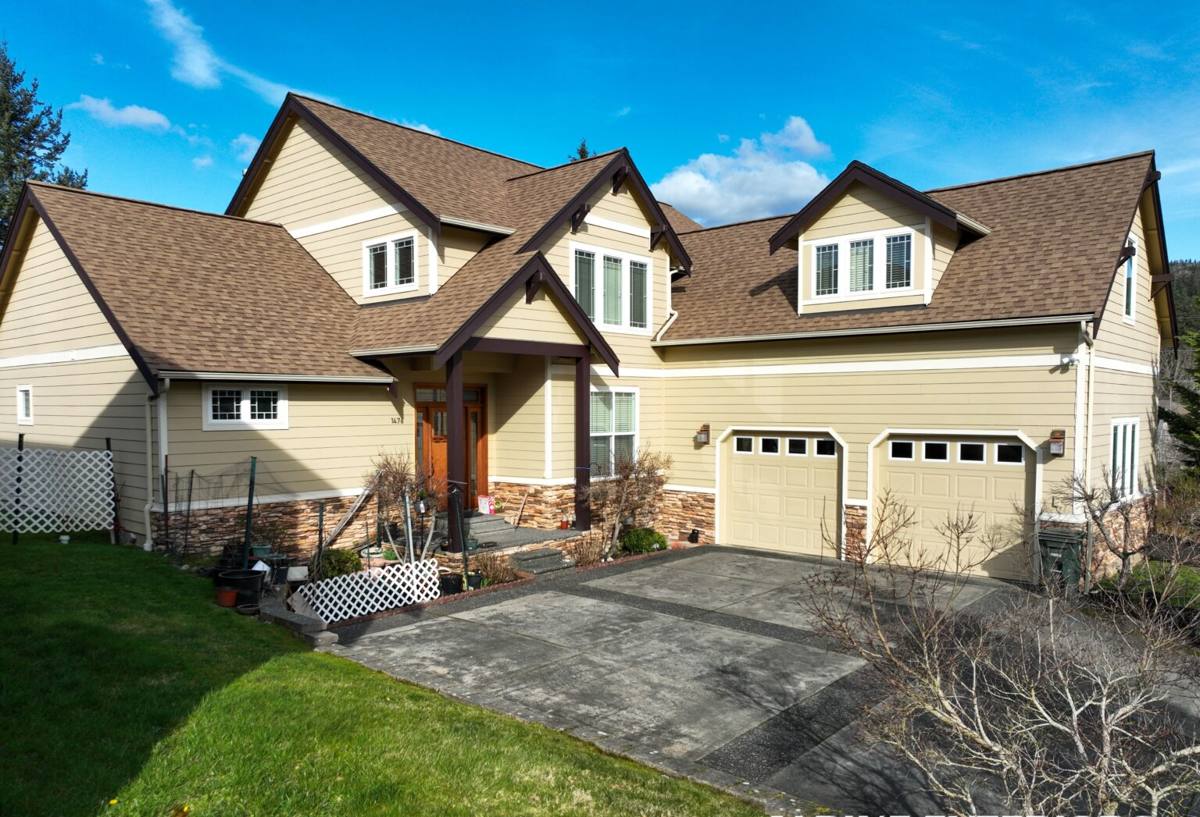
Why the Local Climate Puts Extra Load on a New Window Opening
Homes out here don't fail from one big storm. They fail slowly, from water finding its way in through a gap that was never sealed correctly and sitting there through months of wet weather. A few things about this stretch of Washington make new window openings less forgiving than they'd be in a drier climate:
Driving rain
Wind off the water pushes rain sideways, not just down. A window opening that only sheds water straight down the wall — without a properly lapped sill pan and head flashing — will let wind-driven rain track sideways and up under the flange. That's a defect you won't see for a year or two, until the sheathing around the opening starts to go soft.
Salt air
Being close to Puget Sound and Bellingham Bay means airborne salt is a real factor on hardware, fasteners, and metal flashing. Uncoated or mismatched metal at a window opening corrodes faster here than it would inland, and corrosion at a flashing lap is how leaks start.
A long moss and algae season
Extended damp stretches mean north- and shade-facing walls stay wet longer between dry spells. Any spot where water is allowed to pool or wick — a poorly sloped sill, a flashing lap installed backward — becomes a growth spot for moss and algae, and eventually a rot spot underneath it.
None of this means Alger is a hard place to build. It means the margin for error at every window opening is smaller than it is in most of the country, and the installation details that get skipped elsewhere can't get skipped here.
New-Construction vs. Retrofit: Picking the Right Approach
Some homeowners come to us unsure which category their project falls into. Here's the honest breakdown:
| Factor | New-Construction Window | Retrofit / Pocket Window |
|---|---|---|
| Wall condition | Open framing, sheathing exposed | Existing finished wall, old frame stays or is removed |
| Water management | Full sill pan, WRB integration, house wrap lapping | Sealant-dependent at the existing opening |
| Best used for | New builds, additions, room conversions | Swapping old windows in an unchanged opening |
| Long-term risk if done wrong | Hidden rot inside a wall that's now closed up | Usually visible sooner (interior sill, trim) |
| Siding sequencing | Must be installed and flashed before siding goes on | Independent of siding — wall is already clad |
Alger new-construction projects are almost always the first column. If your project involves opening up the wall, you want it done as new construction, done correctly, not shortcut as a retrofit because it's faster.
What a Correct Installation Includes
There's a right order of operations for a new-construction window, and every step exists because skipping it causes a specific failure down the road. This is the sequence we follow on every opening:
- Rough opening checked for square, level, and correct sizing before the window ever gets set
- Sill pan flashing installed first, sloped slightly outward so any water that gets past the window drains back out, not into the wall
- Window set into the opening, shimmed level and plumb, fastened through the nailing flange per the manufacturer's schedule
- Side flashing tape applied over the flange, lapped correctly with the sill pan
- Head flashing installed last, lapped over the top of the side flashing and integrated with the house wrap above it (this order — sides before top — is what actually sheds water correctly; reversing it is one of the most common mistakes we see on jobs we get called to fix)
- House wrap or WRB brought down over the head flashing and taped, maintaining a continuous drainage plane behind where the siding will go
- Interior and exterior sealant applied at the appropriate points — not everywhere, since over-sealing can trap moisture instead of letting it drain
Every one of those steps is inspectable while the wall is still open. Once siding closes it up, you're trusting that it was done right. That's why we don't rush this stage, even when a builder's schedule is tight.
Our Process Working With Builders and Homeowners in Alger
Most of our new-construction window work happens in coordination with a general contractor or during a homeowner-managed addition. Either way, the process looks the same:
1. Site visit and rough opening review
We walk the framing before windows arrive — checking rough opening sizes against the actual window units, checking sheathing condition, and flagging anything that needs to be corrected before installation day.
2. Install, in sequence with siding
We install and flash the windows as part of the overall exterior water-management plan for the house, not as a standalone task. That coordination with the siding install is where a lot of the value is — a window crew that shows up separately from the siding crew, with no communication between them, is how gaps at the flashing transitions happen.
3. Walkthrough before closing the wall
Before siding goes up over the window openings, we walk the flashing with whoever's overseeing the project so it's documented and understood, not just trusted.
Material and Glazing Choices That Hold Up Locally
Frame material matters more here than in a mild, dry climate. A few honest notes on what we typically see specified and why:
- Vinyl frames — low maintenance, good value, perform well as long as installation and drainage are correct; a solid choice for most Alger new-construction budgets
- Fiberglass frames — more dimensionally stable across temperature swings and generally holds paint or finish longer if you want a painted look
- Aluminum-clad wood frames — attractive interior wood look with an exterior shell that handles weather better than bare wood, at a higher price point
- Dual-pane, low-E glazing is standard practice for this climate zone and is what current Washington energy code requires for new construction in most cases — worth confirming the specific U-factor and SHGC ratings against your project's energy compliance path
- Corrosion-resistant fasteners and flashing metal — given the salt air here, we don't mix incompatible metals at a flashing lap, and we pay attention to fastener coating, not just fastener size
We're not going to tell you one brand is the only right answer — plenty of manufacturers make a sound new-construction window. What decides whether it performs for 20+ years in this climate is the installation, not the sticker on the glass.
Common Mistakes We Get Called to Fix
We've opened up enough walls in this region to see the same errors repeat:
- Head flashing installed before side flashing (reverses the lap, lets water in instead of shedding it)
- No sill pan — just caulk at the bottom of the opening, which fails long before the rest of the window does
- House wrap cut around the window instead of lapped over the flashing, breaking the drainage plane
- Fasteners driven at the wrong spacing or angle through the flange, leaving gaps sealant alone can't close
- Sealant used as the primary water barrier instead of as a secondary detail on top of correct flashing
Every one of these is invisible on install day and expensive to discover later, usually as a soft spot in siding or trim, or a stain that keeps coming back no matter how many times it's cleaned.
Why a Local Crew That Already Works Alger Matters
A window crew that mostly works inland or in a drier part of the state isn't wrong about window installation in general — but they may not build in the margin this area needs for driving rain and a long wet season. Working regularly around Sudden Valley and Alger means we already know:
- Which wall orientations on a given lot take the worst of the wind-driven rain and need the most conservative flashing detail
- How to sequence window and siding install so the same crew isn't guessing at another crew's flashing work
- What fastener and flashing metal choices actually hold up under sustained salt air exposure, not just what's cheapest on the supply list
- How to keep shaded, moss-prone wall sections draining properly instead of holding moisture against the frame
That's the practical case for hiring local for this specific piece of a build: it's not about hometown loyalty, it's about not having to relearn this climate's failure points on your project.
Get a Free Estimate
If you've got a new build, addition, or room conversion going in around Alger or the greater Sudden Valley area, we'll walk the framing, look at what's specified, and give you a straight answer on scope and cost — no pressure, no upsell. Use the form below to get a free estimate.