 Sudden Valley Siding
 Deck Building for Alger Homes: Why Local Conditions Change the Job
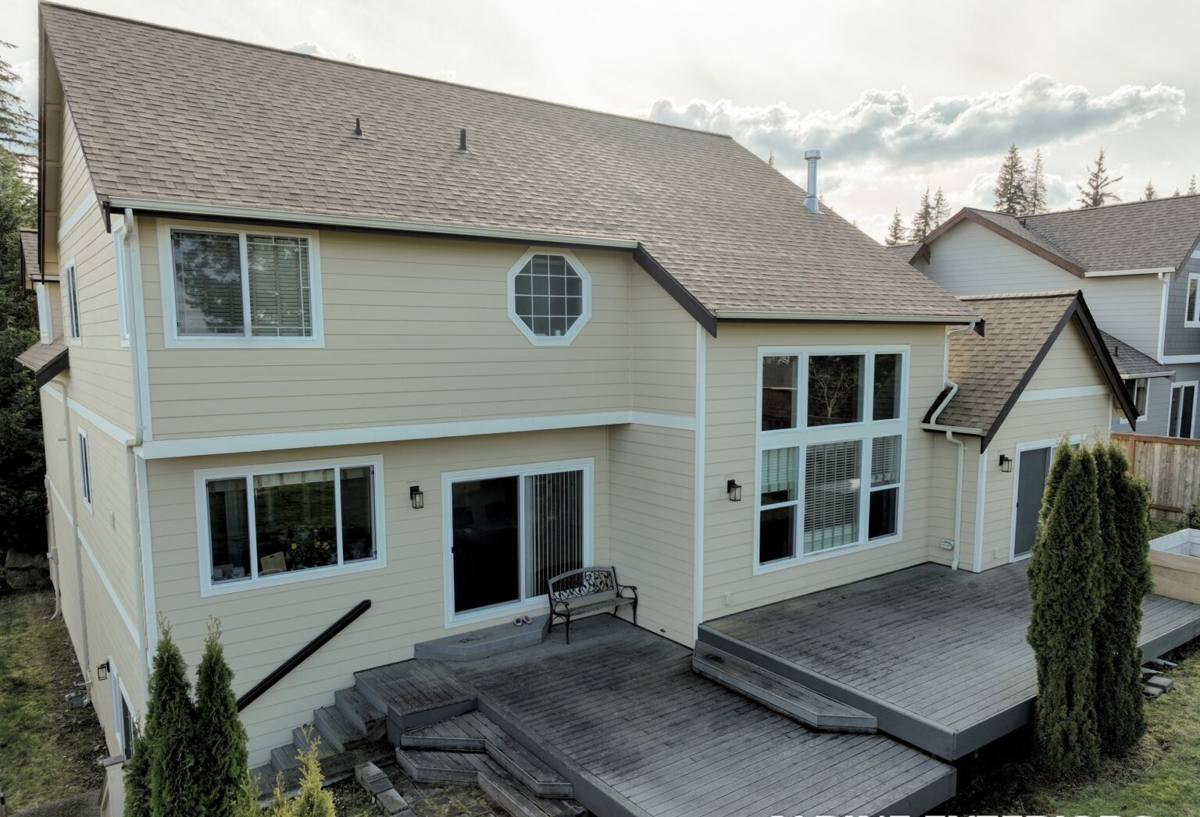
Alger sits close enough to the water and deep enough into Whatcom County's wet-side weather pattern that a deck built here has to answer to different conditions than a deck built inland or in a drier climate. Salt-laden air, long stretches of driving rain, and a moss season that can run most of the year all work on wood, fasteners, and footings in ways that show up as soft boards, rusted hardware, and slick surfaces within a few seasons if the deck wasn't built with that reality in mind. This page covers what we actually do differently on an Alger deck project, from material selection down to the hardware, and why a crew that already works this area builds decks that hold up rather than decks that just look good on installation day.
What Salt Air, Rain, and Moss Actually Do to a Deck
It helps to understand the specific ways this climate attacks a deck, because it changes almost every decision in the build.
- Salt air accelerates corrosion on any exposed metal — nails, screws, joist hangers, bolts — long before the wood itself fails. Standard coated fasteners can start rusting and staining the decking around them within a couple of years.
- Driving rain doesn't just fall straight down here; wind-driven rain gets under railings, into end grain, and behind ledger boards if flashing details are skipped. Water that gets trapped instead of shedding is the single biggest cause of early deck failure.
- Moss and algae take hold anywhere a deck stays damp and shaded, which describes most of the year in this part of Whatcom County. Beyond looking bad, a mossy deck surface is a real slip hazard, especially on stairs.
None of this means a deck in Alger can't last decades — it means the build has to plan for moisture and corrosion from the ground up instead of treating them as maintenance problems to deal with later.
Choosing Decking Material for This Environment
There's no single "best" decking material — there's a best material for a given budget, maintenance appetite, and how much sun or shade the deck actually gets. In a moss-prone, high-moisture area, the trade-offs matter more than they would somewhere drier.
| Material | Moisture Behavior | Maintenance | Typical Lifespan |
|---|---|---|---|
| Pressure-treated wood | Resists rot with proper treatment, but end grain and cut edges need re-sealing or they wick water | Annual cleaning and periodic sealing/staining | 15–25 years with upkeep |
| Cedar | Naturally moisture- and insect-resistant, but softer and can gray or stain quickly in constant damp shade | Regular cleaning, sealing every 1–3 years to hold color and resist moss | 20–30 years with upkeep |
| Capped composite | Doesn't absorb water or rot; surface sheds moisture better than uncapped boards | Occasional washing; no staining or sealing | 25+ years, backed by manufacturer warranty |
| PVC decking | Fully moisture-proof; won't rot, splinter, or feed mold the way wood fiber can | Lowest maintenance of the options; periodic cleaning only | 25–30+ years, backed by manufacturer warranty |
We'll walk through this table with you against your actual budget and how shaded the deck site is — a deck tucked under trees with year-round shade is a different conversation than one with more open sun exposure, even on the same property.
A Note on Uncapped Composite
Our standard practice is to steer away from older-generation uncapped composite boards in this climate. Without a protective outer layer, they can absorb moisture at the surface, which is exactly what feeds algae and moss growth in a wet, shaded environment. It's less about the material being bad and more about matching the product's moisture behavior to the actual conditions it will sit in here.
Substructure and Fasteners: Where Decks Actually Fail First
Homeowners tend to focus on decking boards, but the framing, connections, and flashing underneath are where a coastal-climate deck either holds up or doesn't.
Ledger Board and Flashing
Where a deck attaches to the house, proper flashing keeps wind-driven rain from tracking behind the ledger and into the house's rim joist or siding. This detail is invisible once the deck is finished, which is exactly why it's the detail that gets skipped on a rushed job — and the one that causes the most expensive hidden damage later.
Hardware and Fasteners
Given the salt-air corrosion risk, we use stainless steel or hot-dip galvanized hardware rated for coastal exposure rather than standard coated fasteners. It costs a little more up front and saves you from streaking, staining, and weakened connections down the line.
Footings and Drainage
Footings need to be set below frost depth and on stable, well-draining soil. In areas with heavier clay or poor drainage, standing water around footings over a wet Whatcom County winter can shift a deck over time. We check drainage at the site and adjust footing placement or add drainage where the ground calls for it, rather than using the same footing plan on every lot.
How We Build a Deck in Alger, Step by Step
Site Assessment and Design
We look at sun and shade exposure, slope, soil drainage, and how the deck will be used before drawing up a plan. A deck that sits in near-constant shade needs different material and airflow planning than one that gets afternoon sun.
Permitting and Structural Planning
Deck permitting requirements vary by jurisdiction, and we handle the permit process and any required structural sign-off so the build meets current code for footings, framing spans, and railing height — not just what "looks right."
Framing and Structural Work
This is where the flashing, fastener choice, and footing work described above actually happen. It's the least visible part of the job and the part we spend the most care on, because it's what determines whether the deck is still solid in ten or twenty years.
Decking Installation and Finish Details
Board spacing, fastening pattern, and stair and railing details are set to shed water rather than trap it. Small choices here — like consistent gapping for drainage and airflow underneath — make a real difference in how much moss and mildew the deck develops over time.
Final Walkthrough
Before we call the job done, we walk the deck with you, check every railing and stair connection, and go over the maintenance schedule for whatever material you chose.
Living With a Deck in Alger's Climate
Even the right materials and the best build need some ongoing attention in this environment. Here's a realistic maintenance checklist for keeping a deck safe and good-looking through the wet season:
- Sweep debris off the deck regularly — wet leaves and needles trap moisture and are a major moss starter point
- Rinse or scrub visible moss and algae before it gets a foothold, especially on stairs and shaded corners
- Check gaps between boards each fall and clear out compacted debris so water can drain through, not pool on top
- Inspect fasteners and hardware yearly for rust staining, especially near the ledger and stair stringers
- Reseal or restain wood decking on the schedule for your specific product — waiting too long lets moisture in faster than a fresh coat can push it back out
- Keep nearby trees and shrubs trimmed back to cut down on shade and standing moisture on the deck surface
Why a Crew That Already Works in Alger and Sudden Valley Matters
A lot of what makes an Alger deck last comes down to decisions that aren't visible in a photo — flashing details, fastener grade, footing depth, board gapping. A crew that works this specific stretch of Whatcom County regularly has already seen which shortcuts fail first in this climate and builds around them as a matter of habit, not as an upsell. That local familiarity also means a faster, more accurate estimate, since we're not guessing at how a given lot's drainage or sun exposure will behave — we've built decks on similar ground nearby.
What Affects the Cost of a Deck in Alger
Every deck is priced around the specific site and choices involved, but these are the factors that move the number most:
| Cost Factor | Why It Matters |
|---|---|
| Decking material | Pressure-treated wood costs less upfront; composite and PVC cost more upfront but less in long-term upkeep |
| Size and height | Larger decks and elevated decks (multiple stairs, taller railings) require more framing and structural work |
| Ground conditions | Sloped or poorly draining sites can require additional footing work or drainage solutions |
| Railing and stair design | Custom railing styles and multi-level stair layouts add both material and labor time |
| Site access | Tight or hard-to-reach lots can slow material staging and add labor hours |
We'll go over all of this on-site so you're pricing the actual job in front of us, not a generic estimate.
If you're planning a new deck or replacing one that's showing its age in Alger, we're happy to come take a look, walk the site with you, and put together a straightforward, no-pressure estimate — just fill out the form below to get started.