 Sudden Valley Siding
 Siding Repair Built for Silver Beach's Climate
Homes in Silver Beach take a steady beating from weather that most siding was never designed to handle well. Moist marine air moves through Whatcom County for much of the year, driving rain comes in sideways during fall and winter storms, and the shaded, damp stretches of the neighborhood support a moss and algae season that can run eight months or longer. None of that is a one-time event — it's a repeating cycle, year after year, and siding either sheds it cleanly or slowly loses the battle.
That's the difference between a repair that actually solves the problem and one that just covers it up. A patch that ignores how water is moving behind the wall, or that leaves a board exposed to the same moss growth that damaged the last one, will fail again — usually faster the second time. Good siding repair in this part of Sudden Valley has to account for the climate, not just the visible damage.
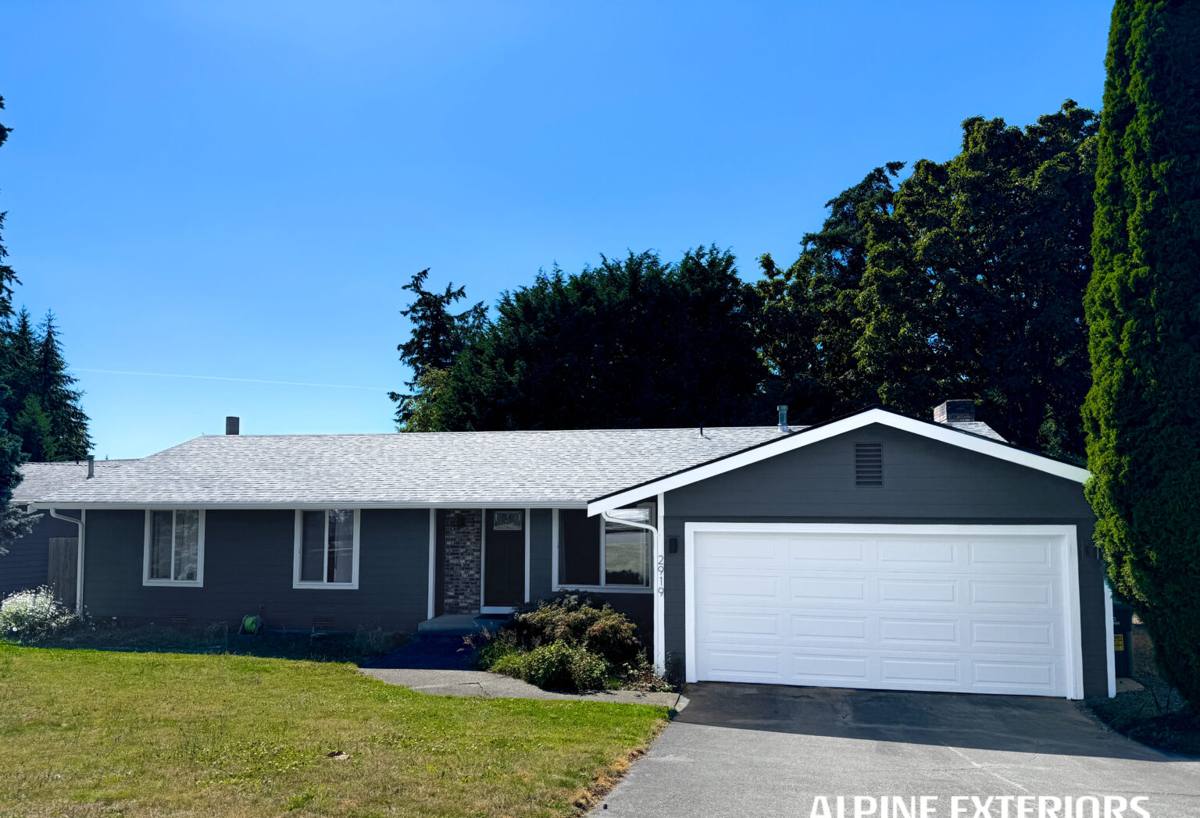
The Damage Patterns We See Most Often in Silver Beach
Moisture Behind the Siding
Driving rain doesn't just wet the surface of a wall — over time it finds its way past worn caulk, open seams, or damaged boards and gets behind the siding. Once moisture is trapped against sheathing or framing, it can cause soft spots, staining, and eventually rot that isn't visible until the siding itself is pulled back. This is the most serious category of damage we find, because it's rarely limited to the board that looks bad from the ground.
Moss, Algae, and Trapped Grime
Shaded, north-facing, and tree-lined walls in this area hold moisture longer than sunnier exposures, which is exactly the environment moss and algae need to take hold. Left alone, that growth holds water against the siding surface, breaks down paint and finish faster than normal weathering would, and can work into seams and fastener holes over several seasons.
Caulk and Trim Failure
Caulk is a wear item, not a permanent seal. In a climate with this much rain and temperature swing, joints around trim, windows, and butt seams open up faster than in drier regions. Once a joint fails, it becomes the entry point for the moisture problems described above — small, cheap fix if caught early; expensive if it's ignored for a couple of winters.
Impact and Age Damage
Cracked, chipped, or loose boards from age, settling, or an impact (a ladder, a falling branch, routine yard work) are usually the most straightforward repairs, but they still need to be matched correctly in material, reveal, and finish or they stand out and create a new weak point.
What a Correct Siding Repair Involves
A repair that's done right starts with figuring out why the damage happened, not just patching what's visible. That means:
- Inspecting the area behind and around the damaged siding, not just the board itself
- Checking the condition of the sheathing and weather-resistive barrier once siding is removed
- Identifying the moisture path — a failed seam, missing flashing, or a spot where water is pooling — so the same failure doesn't repeat
- Replacing damaged material with a matched product, not a mismatched patch
- Re-flashing and re-sealing to current best practice, not just recaulking over the old joint
- Finishing the repair so the color and reveal line match the surrounding siding
Skipping any of those steps is how a $400 repair turns into a $4,000 repair two winters later. It's also why we won't quote a repair without first confirming what's actually happening behind the surface.
Repair or Replace? How We Make That Call
Not every damaged wall needs full replacement, and not every repair is worth doing instead of replacing a section outright. We walk homeowners through the honest tradeoffs rather than defaulting to the bigger job.
| Factor | Points Toward Repair | Points Toward Replacement |
|---|---|---|
| Extent of damage | Limited to a few boards or one wall section | Widespread across multiple elevations |
| Sheathing condition | Dry and solid once opened up | Soft, stained, or rotted in multiple spots |
| Age of existing siding | Still well within its expected service life | Near or past the end of its practical life |
| Moisture history | First occurrence, clear cause identified | Recurring problem across several areas |
| Original material | Hardie fiber cement, easily matched | Discontinued or incompatible product |
When damage is contained and the structure behind it is sound, targeted repair is the honest, cost-effective answer. When we find recurring moisture problems or sheathing damage in more than one spot, we'll tell you that too — patching around a bigger underlying issue isn't a service we're willing to sell.
Our Silver Beach Siding Repair Process
- On-site inspection — we look at the damaged area and the surrounding siding, trim, and flashing, not just the spot you called about
- Diagnosis — we identify the likely cause, whether that's a failed seam, missing flashing, moss-related moisture, or simple age
- Written scope and estimate — a clear explanation of what we found and what the repair will involve, before any work starts
- Careful removal — damaged siding comes off cleanly so we can inspect the sheathing and barrier underneath
- Underlying repair — any soft or damaged sheathing, and any compromised weather barrier or flashing, gets addressed before new siding goes back on
- Matched material installation — replacement siding installed to manufacturer spec, with correct fastening, reveal, and clearances
- Sealing and finish match — joints sealed properly and touch-up finish matched as closely as the product allows
- Final walkthrough — we review the completed repair with you before we consider the job done
Why We Repair With James Hardie Fiber Cement
We install and repair with James Hardie fiber cement exclusively — we don't carry vinyl, LP SmartSide, cedar, primed spruce, or other fiber cement brands. That's a deliberate standard, not a limitation on what we're able to install.
Fiber cement is non-combustible and dimensionally stable in a way wood-based and engineered-wood products aren't, which matters directly for moss and moisture resistance in a climate like this one. Hardie's HZ5 product line is engineered specifically for Pacific Northwest-style wet climates, and the factory-applied ColorPlus finish holds color and resists the kind of moisture-driven breakdown that leads to repeated repainting on site-finished siding. When we patch a section, we're matching into a system that was designed to perform as one piece — not stitching a different material into a wall where it will age, expand, and weather differently than what's around it.
That consistency also protects the transferable warranty on Hardie siding. Introducing an off-brand patch, or repairing with a different material entirely, can complicate warranty coverage on the rest of the wall. Matching Hardie to Hardie keeps both the performance and the paperwork intact.
Why Local Experience in Silver Beach Matters
A crew that already works in Sudden Valley and the surrounding Whatcom County shoreline knows which walls take the worst of the driving rain, which shaded lots hold moss longest into the summer, and what moisture-related damage typically looks like before it's obvious from the ground. That's not a substitute for a proper inspection on your specific home, but it does mean we're not guessing at how this climate behaves — we're repairing siding in it every season.
It also means faster, more accurate estimates. We're not learning the regional weather patterns on your job; we're applying what we already know about how this area's rain, shade, and lake-driven humidity affect siding, and adjusting the repair to hold up against it.
Maintenance Checklist to Keep a Repair Lasting
A correct repair should hold up for years, but a little regular attention extends that significantly in a climate this wet.
- Check caulk lines around trim, windows, and repaired seams once a year
- Keep gutters and downspouts clear so water isn't overflowing onto siding
- Trim back vegetation and branches to let shaded walls air out and dry faster
- Rinse moss and algae growth gently rather than letting it build up over a full season
- Watch north-facing and heavily shaded sections more closely — they'll need attention before sunnier walls do
- Inspect siding after major storms for new cracks, loose boards, or opened seams
- Note any soft spots, staining, or bubbling paint early and have them looked at before winter
If you're dealing with damaged, moss-covered, or moisture-stained siding on a Silver Beach home, we're glad to take a look and give you a straight answer — repair or replace — along with a free, no-pressure estimate.