 Sudden Valley Siding
 Board & Batten Siding, Done Right for Sehome
Board and batten has a specific look — tall, clean vertical lines with strong shadow lines at each batten — and it's a style that shows every flaw in the substrate underneath. On a home in Sehome, that matters more than it does in a lot of places, because this part of Whatcom County throws a specific combination of weather at a house: salt-laden air working in off the water, long stretches of driving rain, and a moss season that can run most of the year on shaded or north-facing walls. A board and batten install that isn't built for that combination will look great for a season or two, then start telling on itself.
This page is about that one job, done for that one kind of home. Not a general "here's what board and batten is" page — a straight answer on what a correct board and batten installation needs to hold up in Sehome specifically, what we actually do differently, and why the product and the crew both matter.
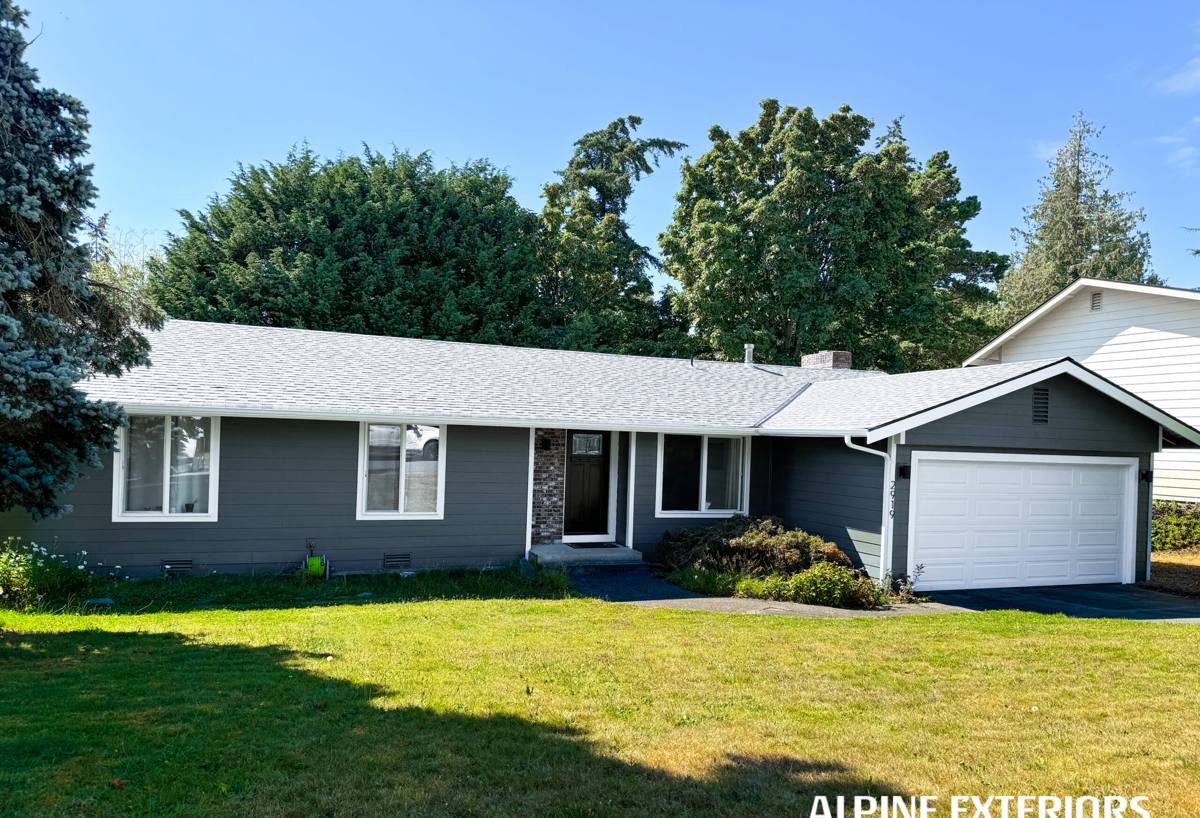
What Sehome's Climate Actually Does to Vertical Siding
Salt Air
Homes closer to the water pick up airborne salt that settles on exterior surfaces and works into fasteners, joints, and any exposed edges. On wood and wood-composite siding, that accelerates corrosion at nail heads and speeds up rot at end grain. Board and batten has more exposed vertical seams than lap siding — more battens, more butt joints, more places for salt-laden moisture to sit — so the choice of material and the way those seams are sealed and fastened carries more weight here than it would on a flat lap job.
Driving Rain
Whatcom County doesn't just get rain, it gets wind-driven rain that hits walls at an angle, and vertical board and batten channels water differently than horizontal lap. Water runs down the face of each board and wants to find its way behind the batten at the top and bottom terminations, at window and door casings, and at any point where a fastener penetrates the face. If the flashing details and the batten spacing aren't right, driving rain finds those gaps eventually — not on day one, but over several wet seasons.
Moss Season
Shaded walls, north exposures, and anywhere tree cover keeps a surface from drying out fast are moss magnets in this region. Moss holds moisture against the siding face for extended periods, which is exactly the condition that rots wood-based products and delaminates poor-quality composites. A material that can't shrug off sustained damp contact is going to show moss staining and softening years before a fiber cement product would.
Why Board & Batten Is Especially Sensitive to Material Choice
Lap siding overlaps itself and sheds water by design. Board and batten relies more heavily on the battens themselves, the fasteners, and the quality of the caulking and flashing at every horizontal break — windows, doors, corners, the water table at the base of the wall. That means the style amplifies whatever weaknesses the underlying material has. A product that's marginal on moisture resistance in lap form gets exposed faster in a board and batten application because there are simply more seams and more exposed vertical grain per square foot of wall.
This is one of the main reasons we install this style exclusively in James Hardie fiber cement. Fiber cement doesn't have wood grain to wick moisture along, it doesn't swell and split at fastener penetrations the way wood and some wood-composite products can, and it holds paint and factory finish without the recoating cycle that wood-based sidings need. In a style where the seams do a lot of the work, starting with a material that doesn't fail at the seam is the foundation everything else is built on.
What We Don't Install, and Why It Matters More on This Style
- Vinyl: board and batten vinyl profiles exist, but vinyl expands and contracts significantly with temperature, and long vertical runs show that movement as waviness and gapping at the battens over time.
- Primed spruce or cedar: real wood board and batten looks great new, but it needs consistent repainting and caulk maintenance to keep driving rain and moss from getting into end grain — a maintenance schedule that's easy to fall behind on.
- LP SmartSide and other wood-strand composites: better moisture resistance than raw wood, but still wood-based at the core, meaning edge swelling is a real risk if caulking or flashing details fail at any of the many joints this style has.
- Cemplank/Allura and other fiber cement alternatives to Hardie: similar core material, but we've standardized on Hardie for its ColorPlus factory finish and its documented HZ climate-engineered product line, which we know performs in this exact weather pattern.
What a Correct Board & Batten Installation Involves
Substrate and Weather-Resistive Barrier
Everything starts underneath the siding. A proper weather-resistive barrier, correctly lapped and taped, with flashing integrated at every penetration and opening, is what actually keeps driving rain out of the wall assembly — the siding is the second line of defense, not the only one. This step gets skipped or rushed more than any other, and it's invisible once the siding goes up, which is exactly why it matters that the crew doing it has a reputation to protect locally.
Batten Spacing and Fastening
Battens need consistent spacing for the look to read correctly, and fasteners need to land in solid framing or blocking at the right depth — not so shallow they back out, not so deep they crush the fiber cement and create a moisture entry point. Hardie's published fastening specs exist for a reason, and following them is what keeps the batten seams tight for the life of the siding.
Joint and Termination Details
Every place a board and batten wall meets something else — a window, a corner, the foundation, the roofline — is a place where water wants to get behind the cladding. Correct flashing and properly gapped, backer-rod-and-sealant joints at these transitions matter more here than on lap siding because there are more of these transitions per wall.
Finish
James Hardie's ColorPlus factory finish is baked on under controlled conditions and comes with a stronger finish warranty than field-applied paint. On a style with a lot of vertical surface catching sun and rain at different angles across a day, a factory finish holds its color more evenly than site-painted material.
Our Process for a Sehome Board & Batten Project
- On-site assessment: we look at wall orientation, shade patterns, and existing moisture or moss issues specific to your lot before recommending anything.
- Tear-off and substrate check: old siding comes off and we inspect sheathing for hidden rot or damage before anything new goes up — this is where problems that caused the original siding to fail get found and fixed.
- Weather barrier and flashing: installed and inspected before a single piece of siding is hung.
- Hardie board and batten install: to manufacturer fastening spec, with attention to consistent batten spacing and clean terminations at every opening.
- Final walkthrough: we go over the finished job with you, seam by seam, before calling it done.
Comparing Vertical Siding Options for This Climate
| Material | Moisture Behavior in Driving Rain | Moss/Salt Air Resistance | Finish Maintenance |
|---|---|---|---|
| James Hardie Fiber Cement | Stable, doesn't wick or swell at seams | Non-combustible, holds up to sustained damp exposure | Factory ColorPlus finish, long repaint interval |
| Vinyl | Sheds water but seams can gap with thermal movement | Doesn't rot, can look worn/faded near salt air over time | No paint, but can't be refinished if faded |
| Primed Wood/Cedar | Absorbs water at end grain and joints | Vulnerable to moss and rot without diligent upkeep | Repaint/reseal cycle every few years |
| Wood-Strand Composite | Better than raw wood but still wood-based core | Moderate; edge sealing is critical | Field-applied finish maintenance |
Cost Factors Homeowners Should Know
Board and batten typically costs somewhat more than standard lap siding to install because of the extra battens, more precise layout work, and the additional flashing detail at each joint. Broad factors that move the price on a Sehome project:
- How much of the existing wall needs sheathing repair once old siding comes off
- Wall height and the number of window/door openings requiring flashing and trim work
- Battens spacing and reveal chosen for the look you want
- Access and site conditions (slope, landscaping, second-story work)
We give a straightforward, written estimate after seeing the actual walls — not a phone quote based on square footage alone, since substrate condition is often the real cost driver.
Why a Locally Experienced Crew Matters Here
A crew that's worked other homes in Sehome and nearby parts of Whatcom County already knows which walls take the worst of the driving rain, where moss tends to establish first, and how salt exposure trends closer to the water versus further inland. That's not something you can fully substitute with a generic install checklist — it shapes small decisions on-site, like where to add extra flashing attention or which wall orientation deserves a closer look during the substrate inspection. It also means there's a real local reputation on the line, not just a one-time job.
If you're considering board and batten siding for a home in Sehome, we're happy to come take a look and give you a straightforward, no-pressure estimate — just fill out the form below.