 Sudden Valley Siding
 Why Roofs Age Differently Around Sehome and Sudden Valley
A roof in this part of Whatcom County doesn't fail the same way a roof does in a drier climate. It's not one big storm that does the damage — it's the accumulation of small, constant exposure: marine air carrying salt and moisture, long stretches of driving rain that finds every weak seam, and a moss season that can run most of the year in shaded, north-facing sections of a roof. Homes near Lake Whatcom and the surrounding tree cover in and around Sudden Valley tend to hold moisture longer than homes in open, sun-exposed areas, which changes how a roof should be built and maintained from day one.
None of this means the situation is hopeless — it means the details matter more here than they would somewhere drier. A roof replacement done with generic assumptions, rather than an understanding of how water and moss actually behave on shaded, moisture-heavy roofs, tends to show problems again within a few years.
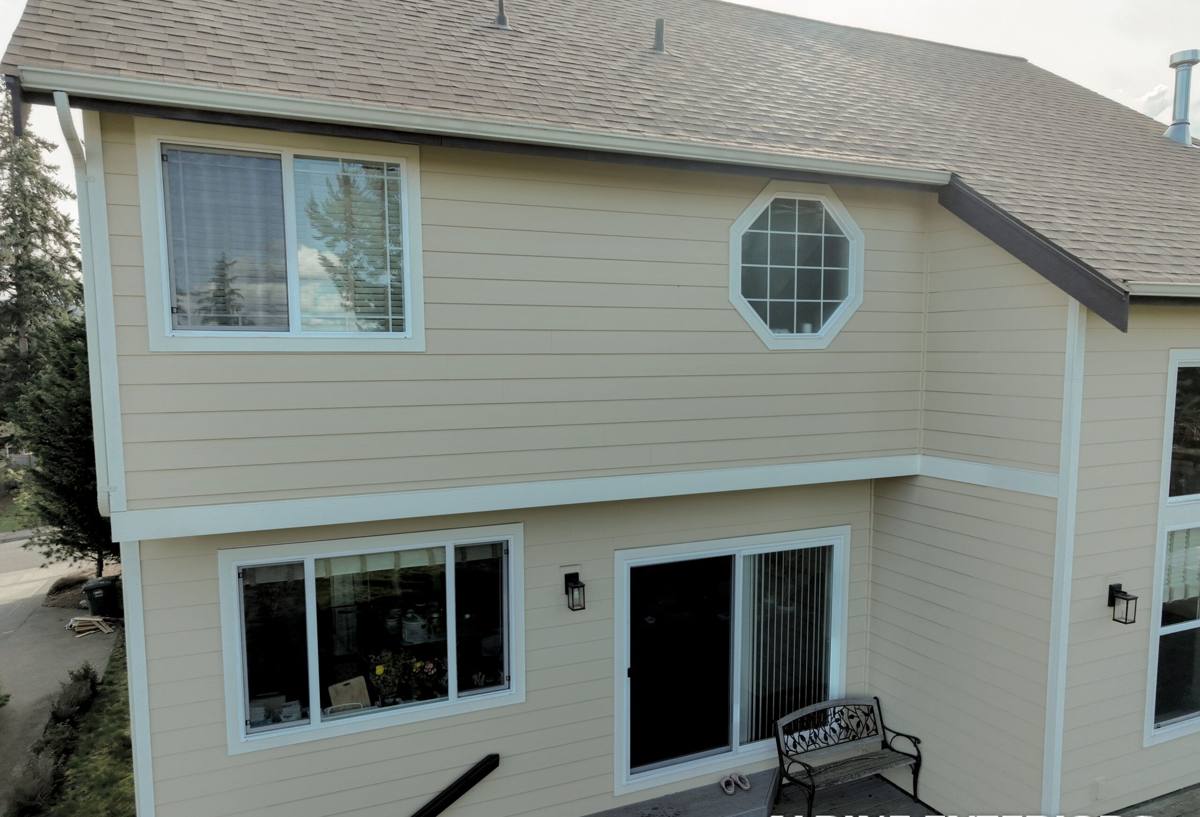
What Constant Moisture and Moss Actually Do to a Roof
Moss and Organic Growth
Moss doesn't just look bad — it holds water against the roofing surface long after the rain has stopped, and it works its way under shingle edges and tabs as it grows. Over time that trapped moisture accelerates granule loss on asphalt shingles, promotes rot in underlying decking, and can lift shingles enough for wind-driven rain to get underneath. Roofs shaded by trees, which describes a lot of properties around Sudden Valley, are far more prone to this than roofs in open sun.
Driving Rain and Wind
Rain that comes in at an angle, rather than straight down, tests every horizontal seam, flashing joint, and fastener penetration on a roof. A roof that would perform fine under gentle, vertical rainfall can still leak under sideways-driven storms if the underlayment, flashing, and shingle overlap weren't installed with that in mind.
Salt Air and Metal Fatigue
Being close enough to marine air brings a slow corrosive effect on exposed metal — flashing, fasteners, vents, and gutters. Standard galvanized fasteners and thin flashing stock corrode faster in this environment than they would inland, which is part of why material choice and fastener spec matter as much as the shingle itself.
Signs a Sehome or Sudden Valley Roof Needs Replacement, Not Another Patch
- Granules collecting in gutters or at downspout outlets, especially after a hard rain
- Dark streaking or thick moss growth concentrated on north-facing or shaded slopes
- Shingles that are cupping, curling at the edges, or visibly lifting
- Soft or spongy decking felt underfoot in the attic or from a ladder inspection
- Daylight visible through the roof deck from inside the attic
- Interior ceiling stains that reappear after being painted over
- A roof older than 18-20 years that has already had multiple patch repairs
- Rusted or deteriorating flashing around chimneys, skylights, or roof-to-wall transitions
If a roof shows two or more of these at once, patching usually just delays a full tear-off rather than avoiding it — and delaying often means paying for interior damage on top of the roof itself.
What a Correct Roof Replacement Involves in This Climate
Full Tear-Off and Deck Inspection
Roofing over an existing layer hides problems instead of fixing them. A proper replacement starts with a full tear-off down to the deck so every section of plywood or sheathing can actually be inspected for rot, soft spots, or delamination caused by trapped moisture — the kind of damage that's common under moss-covered sections that have been holding water for years.
Underlayment and Ice-and-Water Protection
Given how much of this region's rain arrives at an angle, underlayment choice matters. Self-adhering ice-and-water membrane belongs at eaves, valleys, and around every penetration — the spots where wind-driven rain is most likely to get past the shingles themselves. Synthetic underlayment over the rest of the deck holds up better to job-site foot traffic and prolonged moisture exposure than old-style felt paper.
Flashing Details That Get Skipped on a Rushed Job
Step flashing at walls, counter-flashing at chimneys, and properly lapped valley flashing are where most leaks actually originate — not in the open field of shingles. In a marine climate, we spec heavier-gauge, corrosion-resistant metal here rather than the thinnest flashing stock that meets code minimums.
Ventilation
A roof deck that can't breathe traps moisture from inside the house against the underside of the sheathing, which rots wood from beneath even when the roofing surface above is doing its job. Balanced intake and exhaust ventilation is part of a correct replacement, not an optional upgrade.
Comparing Roofing Materials for Sehome and Sudden Valley Homes
There's no single "best" material — the right choice depends on how much sun exposure the roof gets, how long you plan to stay in the home, and your tolerance for periodic maintenance. Here's how the common options actually compare in this climate:
| Material | Typical Lifespan | Moss/Moisture Resistance | Upfront Cost | Best Fit |
|---|---|---|---|---|
| Architectural asphalt shingle | 25-30 years | Moderate — benefits from algae-resistant granules | Lowest | Most homes; good value with proper ventilation and shaded-slope treatment |
| Standing-seam metal | 40-50+ years | High — sheds moss and moisture faster than shingles | Highest | Heavily shaded lots or owners planning to stay long-term |
| Synthetic/composite shingle | 30-40 years | Good, with less maintenance sensitivity than wood | Mid-to-high | Homeowners wanting a wood or slate look without wood's moisture upkeep |
| Cedar shake | 20-30 years with upkeep | Low without regular treatment; absorbs and holds moisture | High | Owners committed to routine cleaning and preservative treatment |
For most properties around Sudden Valley with significant tree cover, we lean toward architectural shingle with algae-resistant granules or standing-seam metal on the shadiest slopes, rather than cedar, which needs consistent maintenance to resist moisture and moss in this environment.
Our Roof Replacement Process
- On-site inspection — we walk the roof and attic, checking decking condition, ventilation, flashing, and moss/moisture patterns specific to the home's sun exposure and tree cover.
- Written estimate — a clear scope covering materials, tear-off, decking replacement allowances, flashing, and ventilation, with no vague allowances buried in the fine print.
- Material selection — we walk through the trade-offs in the table above based on your budget, timeline, and how shaded the roof is.
- Tear-off and deck repair — old roofing removed down to the sheathing, with any rotted or soft decking replaced before anything new goes down.
- Underlayment, flashing, and ventilation installed — the layers that actually determine whether the roof performs in driving rain and salt air.
- Final roofing material installed to manufacturer spec, with attention to fastener count and placement in exposed, wind-loaded areas.
- Site cleanup and walkthrough — magnetic sweep for nails, gutter check, and a final walk-through so you know exactly what was done and why.
Life After Replacement: Keeping Moss and Moisture Damage From Coming Back
A new roof still lives in the same climate that wore out the old one. Zinc or copper strips near the ridge on shaded slopes help suppress future moss growth as rain washes trace metal down the roof surface. Keeping nearby branches trimmed back reduces both moss growth and debris buildup in valleys and gutters, where standing water does the most damage. An annual gutter cleaning and a quick visual check after any major windstorm catches small issues — a lifted shingle tab, a loosening fastener — before they become interior leaks.
Why It Matters That We Already Work in Sehome and Sudden Valley
Roofing crews unfamiliar with this specific stretch of Whatcom County often underestimate how much shade, moisture, and salt-tinged air change the job. We already know which slopes in this area tend to hold moss longest, how wind behaves across open lake-adjacent lots versus tucked-in, tree-covered properties, and what flashing and fastener upgrades actually pay off here versus what's just upselling. That local familiarity shows up in fewer surprises during tear-off and a roof that's built for the conditions it will actually face, not a generic spec sheet.
We're also familiar with the permitting and inspection process for roofing work in this part of Whatcom County, which keeps the project moving instead of stalling on paperwork.
Get a Straightforward Roof Replacement Estimate
If your roof is showing moss buildup, granule loss, or age, we're happy to take a look and give you an honest read on whether it needs full replacement or just targeted repair. Fill out the form below for a free, no-pressure estimate — we'll walk the roof, explain what we find, and give you real numbers before you decide anything.