 Sudden Valley Siding
 Why Roofs Around Lake Whatcom Take a Different Kind of Beating
A roof on a home overlooking Lake Whatcom works harder than a roof on a typical inland property. The moisture-laden marine air that moves in off the Sound and settles over the lake basin keeps everything on your roof deck damp longer than it would be even a few miles east. Add in the driving, wind-pushed rain that Whatcom County gets through fall and winter, and a moss season that can run eight or nine months out of the year in the shaded, tree-lined lots common around Sudden Valley, and you have a roofing environment that punishes shortcuts. Underlayment that's marginal, flashing that's slightly undersized, or ventilation that's an afterthought will show its weaknesses here faster than in a drier part of the state.
A correctly installed roof isn't just about keeping water out on a sunny day — it's about managing constant moisture cycling, standing dampness under tree canopy, and the freeze-thaw swings that happen on cold, clear nights near the water. That's the standard we build every Lake Whatcom roof to.
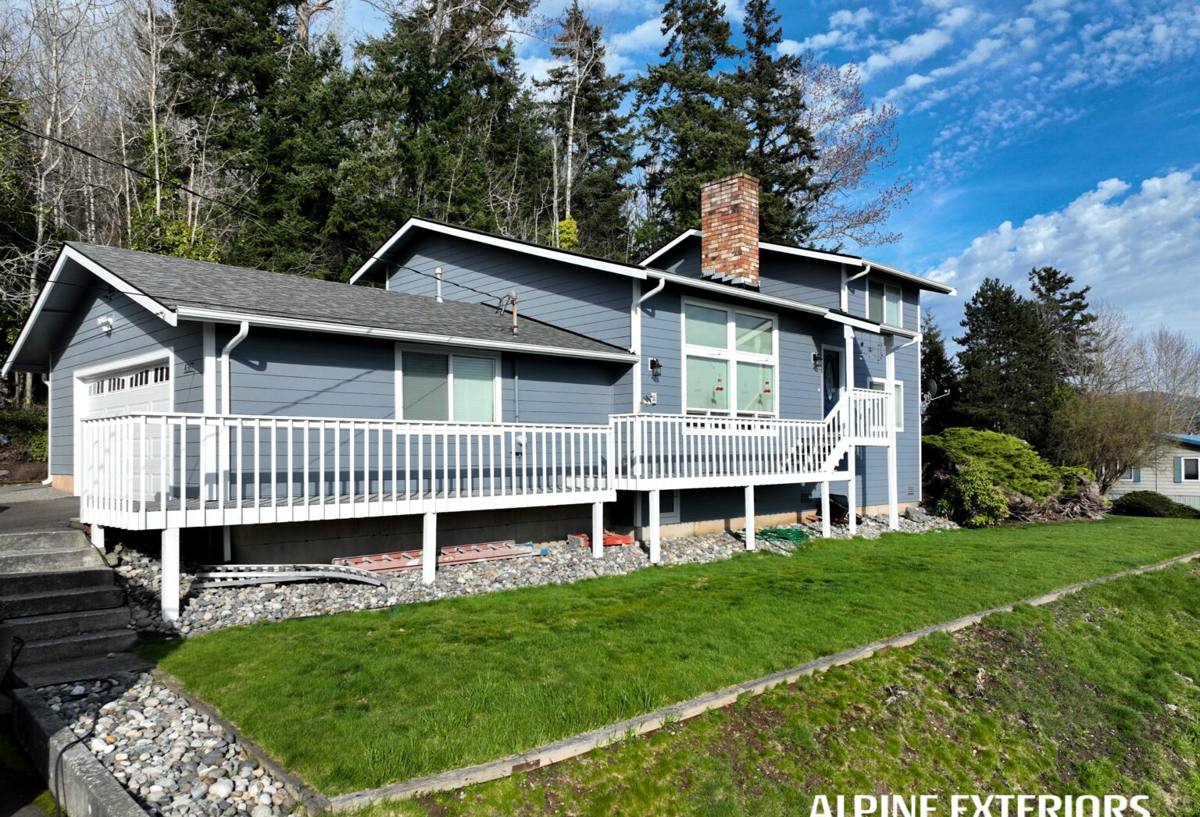
How to Tell a Roof Needs Full Replacement, Not Another Patch
Age and Material Fatigue
Most asphalt shingle roofs in this climate are realistically good for 18-25 years, even with the manufacturer rating a higher number — the extra moisture exposure shortens the practical lifespan compared to drier regions. Once a roof passes that window, granule loss accelerates, seals weaken, and repairs start costing more than they're worth relative to a full replacement.
Visible Signs from the Ground and Attic
Some problems are obvious from the driveway; others only show up once you're in the attic looking at the underside of the deck. A licensed roofer should check both before recommending replacement over repair.
- Shingles that are cupping, curling at the edges, or missing granules in patches
- Moss or dark streaking that keeps returning within a season or two of cleaning
- Soft spots, sagging ridgelines, or visible daylight through the roof deck in the attic
- Water stains or musty odor on interior ceilings, especially near valleys or chimneys
- Flashing that's rusted, lifted, or separated around vents, skylights, and chimneys
- Granules collecting in gutters in noticeably larger amounts each year
If two or more of these are present, a full replacement is usually the more honest recommendation — patching a roof that's already failing structurally just delays a bigger repair bill.
What a Correct New Roof Installation Actually Involves
Tear-Off and Deck Inspection
We remove the old roofing down to the deck rather than layering over it. That's the only way to actually see the wood underneath — and around Lake Whatcom, where trapped moisture is common, it's not unusual to find soft or delaminated sheathing that needs to be replaced before anything new goes down. Installing over a compromised deck just hides the problem under a new layer of shingles.
Underlayment and Ice-and-Water Protection
A synthetic underlayment goes down across the full deck as the first line of defense, with self-adhering ice-and-water membrane at the eaves, valleys, and any low-slope transitions — the spots where wind-driven rain is most likely to work its way backward under the shingles. This detail matters more here than in drier parts of the state, where a roof might go weeks without a real soaking rain.
Ventilation
Balanced intake and exhaust ventilation keeps the attic space close to outdoor temperature and humidity, which slows condensation on the underside of the deck and helps shingles last their full service life. Under-ventilated attics in this climate are a common cause of premature deck rot that homeowners never see until a leak shows up.
Flashing and Penetrations
Chimneys, skylights, plumbing vents, and roof-to-wall transitions are where most leaks actually start — not in the open field of shingles. Each penetration gets new step flashing, counter-flashing, or boots sized and installed correctly, not just caulked and covered.
Choosing a Roofing Material for This Microclimate
There's no single "best" roofing material for every home — the right choice depends on your roof's pitch, how much shade and tree cover the lot has, and your tolerance for maintenance. Here's how the common options compare for a shaded, moisture-heavy property near the lake.
| Material | Typical Lifespan Here | Moss/Moisture Behavior | Considerations |
|---|---|---|---|
| Architectural asphalt shingle | 18-25 years | Good with proper ventilation; needs periodic moss treatment | Best balance of cost and durability for most Sudden Valley homes |
| Standing seam metal | 40-50+ years | Sheds moss and debris well due to smooth, slick surface | Higher upfront cost; quieter than most homeowners expect with proper underlayment |
| Cedar shake | 20-30 years with upkeep | Holds moisture and grows moss faster in shaded, damp lots | We recommend it selectively here — it needs real annual maintenance to perform in this climate |
| Synthetic/composite shake | 30-40 years | Doesn't absorb moisture like wood; resists moss better than cedar | Gives a wood-shake look with less long-term maintenance burden |
For most Lake Whatcom homes, we steer people toward architectural asphalt or standing seam metal unless there's a strong aesthetic reason to consider shake — wood products simply demand more upkeep in a climate this wet and shaded, and we'd rather be upfront about that trade-off than sell a product that will need constant attention.
Our Installation Process
- On-site inspection and measurement — we walk the roof (or use a drone where pitch or access makes that safer), check the attic, and document existing conditions.
- Written estimate — material options, scope of work, and a firm price, with no vague allowances buried in the fine print.
- Permitting — we pull the required permit through the applicable jurisdiction before work starts.
- Material delivery and site protection — landscaping, driveways, and windows get covered before tear-off begins.
- Tear-off and deck repair — old roofing removed, deck inspected, any damaged sheathing replaced.
- Underlayment, flashing, and ventilation install — the parts of the job that don't show but determine whether the roof actually performs.
- Roofing material installation — installed to manufacturer specification, not shortcuts on nailing pattern or exposure.
- Cleanup and magnetic sweep — job site cleared of debris and nails before we call it done.
- Final walkthrough — we go over the finished roof with you before wrapping up.
Why Hiring a Crew That Already Works Sudden Valley Matters
Sudden Valley is a private, gated community with its own roads, and a crew unfamiliar with the area often loses real time just navigating access, coordinating with gate procedures, and staging equipment and dumpsters on narrower lakeside lots. We already know how to move material and set up safely on these properties without that back-and-forth eating into your project timeline.
There's also a building and design angle. Homes here often sit under mature tree canopy or close to the shoreline, which affects everything from ladder and equipment placement to how much moss pressure a given roof will face going forward. A crew that's replaced roofs throughout Whatcom County — not just read about the climate — makes better judgment calls on ventilation, underlayment placement, and material choice for your specific lot.
Local scheduling matters too. Roofing in this region has a real weather window, and a crew that works the area consistently knows how to sequence tear-off and dry-in around incoming systems so your home isn't sitting open to the weather longer than necessary.
Caring for Your New Roof in a Moss-Prone, Wet Climate
A well-installed roof still needs basic maintenance to hit its full service life around Lake Whatcom. None of this is complicated, but skipping it is the single biggest reason roofs here underperform their rated lifespan.
- Have moss and debris cleared from the roof surface at least once a year, more often under heavy tree cover
- Keep gutters and downspouts clear so water isn't backing up under the eaves
- Trim back overhanging branches to cut down on shade, debris, and moss growth
- Check attic ventilation isn't blocked by insulation or stored items
- Have flashing around chimneys and vents inspected every few years, not just when a leak appears
We're happy to walk you through a maintenance schedule specific to your roof and lot at the time of installation, rather than leaving you to guess.
What a Lake Whatcom Roof Replacement Typically Costs
Every roof is different, but a few factors consistently move the price on Sudden Valley homes: roof size and pitch, how much of the old deck needs replacing, the material you choose, and access — steep waterside lots or limited staging space can add labor time compared to a flat, open driveway. Rather than quote a number that won't mean much without seeing your roof, we give a firm, itemized estimate after an on-site inspection, so you know exactly what you're paying for and why.
If your roof is showing its age or you just want an honest read on how much time it has left, we'll come take a look and put together a free, no-pressure estimate — no obligation, just a straight answer about what your Lake Whatcom home actually needs.