 Sudden Valley Siding
 Metal Roofing Built for Geneva's Weather, Not Just Its Look
Geneva sits inside one of the wetter, mossier pockets of Whatcom County, and roofs here take a beating that a lot of national roofing advice doesn't account for. Between the marine air moving in off the Sound, the driving rain that comes sideways during winter storms, and a moss season that can run eight or nine months out of the year, an asphalt roof in this part of Sudden Valley ages faster than the same shingle would in a drier climate. Metal roofing isn't a trend here — it's a practical answer to a specific set of local problems: standing water at low-slope transitions, moss lifting shingle edges, and fasteners that corrode faster than they should in salt-tinged air.
This page is about metal roofing specifically for homes in and around Geneva. If you're comparing options for a roof in this neighborhood, the details below — panel types, installation steps, and what actually holds up here — are more useful than a generic "metal roofing pros and cons" article.
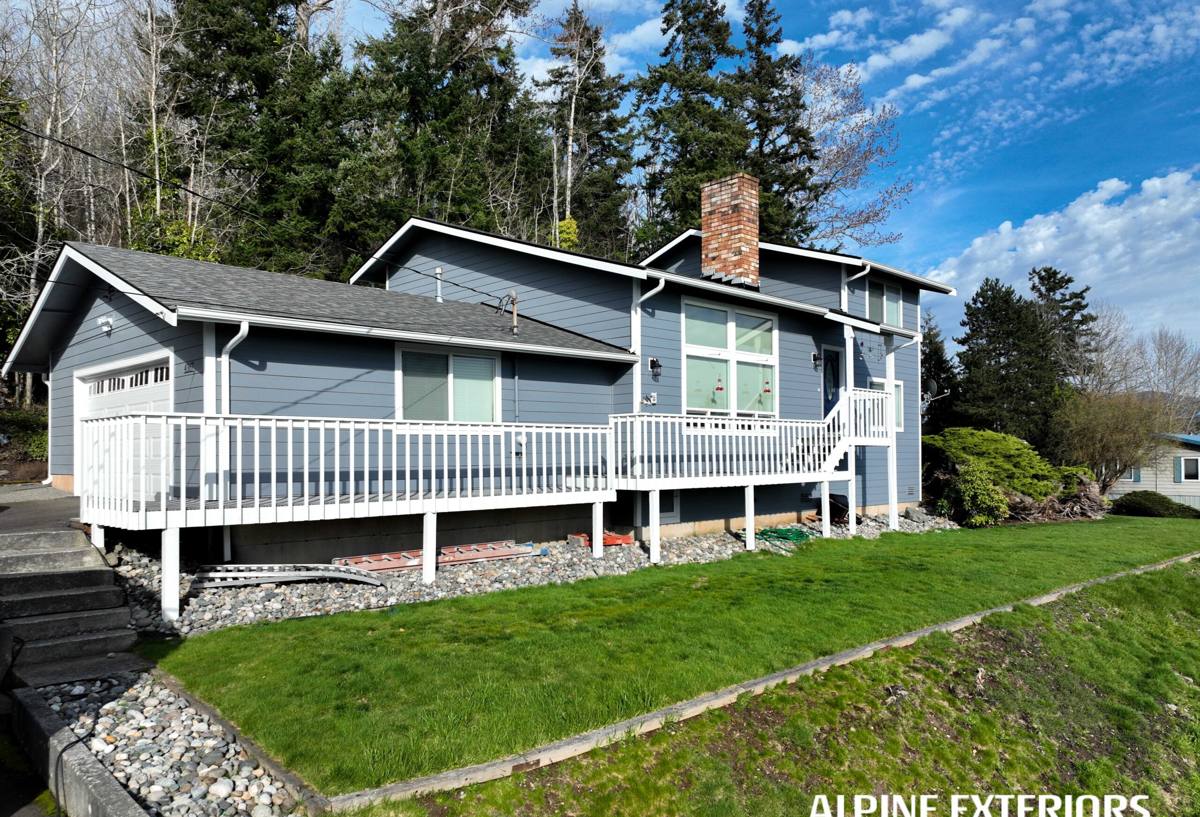
What Whatcom County Weather Actually Does to a Roof
Moss and Organic Growth
Shaded, damp roof sections in Geneva stay wet longer after every rain, which is exactly what moss needs to establish. Once moss gets a foothold under shingle tabs, it holds moisture against the roof deck year-round, which accelerates rot and voids most shingle warranties. Metal doesn't give moss the same texture to grip, and smooth panel surfaces shed water fast enough that moss struggles to establish in the first place — though it isn't fully immune in heavily shaded, low-slope areas.
Wind-Driven, Sideways Rain
Storms coming off the water don't just drop rain straight down — they push it under laps, around fasteners, and into any gap in the flashing. A roof system that relies on gravity alone to shed water will eventually leak in these conditions. Correctly installed metal roofing uses mechanically locked seams or properly lapped panels plus underlayment as a true second line of defense, which matters more here than in calmer inland climates.
Salt Air and Fastener Corrosion
Homes in this part of Whatcom County get enough marine air influence that untreated steel fasteners and lower-grade flashing metals corrode noticeably faster than the manufacturer's generic rating would suggest. This is one of the most common causes of early metal roof failure we see — not the panels themselves, but cheap fasteners and mismatched flashing metal reacting with each other or with the air.
Metal Roofing Options for Geneva Homes
Not every metal roofing system is built the same way, and the right choice depends on your roof's slope, how much shade it gets, and your budget. Here's how the common options compare for a home in this climate:
| System | How It Sheds Water | Best Fit | Trade-Offs |
|---|---|---|---|
| Standing seam (steel or aluminum) | Raised, mechanically locked seams with no exposed fasteners | Most Geneva roofs, especially anything with visible or low-slope sections | Higher material and labor cost; requires an experienced installer for correct seam locking |
| Exposed-fastener panel | Overlapping ribbed panels screwed directly through the face | Outbuildings, shops, budget-driven projects | Fasteners and washers wear out over time and need re-torquing or replacement before the panels do |
| Stone-coated steel | Interlocking panels shaped like shingle or tile profiles | Homes wanting a traditional look with metal's durability | More seams and fasteners than standing seam; coating can chip if walked on carelessly |
For most homes in Geneva, we lean toward standing seam because it has the fewest points where water or moss can get a foothold, and no exposed fasteners for salt air to work on over the years. Exposed-fastener panels are a reasonable, lower-cost option for detached structures where appearance and long-term maintenance matter less.
What a Correct Metal Roofing Installation Actually Involves
Deck Inspection and Underlayment
Metal roofing is only as good as what's underneath it. Before any panel goes down, the deck gets checked for soft spots, rot, or old moss damage — problems that are far cheaper to fix now than after panels are installed over them. A synthetic underlayment, with self-adhering ice-and-water membrane at eaves, valleys, and penetrations, gives the roof a real second barrier for the wind-driven rain this area sees.
Fastening and Panel Layout
Panel layout should be planned around your roof's actual dimensions, not just run in whatever direction is easiest. Panels run the wrong direction relative to prevailing wind and rain can push water backward under laps during storms. Fasteners and clips need to match the panel metal — mixing incompatible metals (for example, the wrong screw in an aluminum panel) causes galvanic corrosion that shows up as staining and eventual failure at every fastener point.
Flashing and Penetrations
Chimneys, vents, and skylights are where most roof leaks actually start, metal or not. Flashing needs to be custom-formed to the profile of the panel it meets, not just caulked over a gap. Caulk is a maintenance item, not a seal — it should be a backup, never the primary method of keeping water out at a penetration.
Ventilation
A metal roof installed over a poorly ventilated attic can trap moisture underneath it, which leads to condensation problems that have nothing to do with the roofing material itself. Ridge and soffit ventilation should be checked and corrected as part of the job, especially on older Geneva homes that may have been built before current ventilation standards.
Signs Your Current Roof Is Ready for a Metal Upgrade
You don't need to wait for an active leak to start planning. Common signs we see on roofs in this area include:
- Moss growth returning within a year or two of cleaning, even after treatment
- Granule loss visible in gutters or downspouts
- Shingle edges curling or lifting, especially on north-facing or shaded slopes
- Soft spots or sagging when walked on (a sign of deck damage underneath)
- Rusting or failing flashing around chimneys, vents, or skylights
- Interior water stains that appear only during heavy, wind-driven storms
- A roof approaching or past its expected asphalt lifespan (typically 20–25 years in this climate)
Our Process for a Geneva Metal Roofing Project
Inspection and Measurement
We start on-site, walking the roof and attic where it's safe to do so, checking deck condition, existing ventilation, and any problem areas like valleys or low-slope transitions that tend to hold water in this neighborhood.
Material and System Selection
Based on your roof's slope, shading, and budget, we walk through panel type, metal (steel or aluminum), finish, and color — explaining the real trade-offs rather than steering you toward whatever is easiest to install.
Installation
Deck repairs happen first if needed, followed by underlayment, then panels, flashing, and trim. We sequence the job to keep your home protected from rain at every stage — an unfinished roof left exposed overnight in this climate is a real risk we plan around.
Cleanup and Final Walkthrough
We clear job-site debris, including stray fasteners and metal shavings from around the foundation and landscaping, and walk the finished roof with you before calling the job done.
What Affects the Cost of Metal Roofing in Sudden Valley
Metal roofing costs more upfront than asphalt shingles — often noticeably more, depending on system and finish, though many panel systems carry 30-to-50-year finish warranties that asphalt can't match. The biggest cost drivers on a Geneva home are usually:
- Roof complexity — the number of valleys, penetrations, and slope changes drives labor time more than square footage alone
- Panel system — standing seam costs more than exposed-fastener panel per square, but needs less long-term maintenance
- Metal and finish — steel versus aluminum, and the paint or coating system, affect both price and corrosion resistance in marine air
- Deck condition — any rot or damage found during tear-off adds cost, but skipping needed repairs undermines the whole roof
- Access and site conditions — steep slopes, tree cover, or difficult equipment access all factor into labor
Why Hiring a Crew That Already Works in Geneva Matters
A metal roof installed correctly for a dry inland climate isn't automatically installed correctly for Sudden Valley. Fastener spacing, underlayment choices, and flashing details that are "good enough" elsewhere can fall short against this area's combination of driving rain, marine air, and heavy moss pressure. A crew that regularly works in Geneva already knows which slopes and shade patterns in this neighborhood tend to hold moisture, which fastener and flashing metals actually hold up here long-term, and how to sequence a tear-off around this area's rain patterns instead of gambling on a dry week. If your property falls under a homeowners' association or community guidelines, we can also work within whatever approval process applies to your home.
Maintenance After Your Metal Roof Is Installed
Metal roofing is lower-maintenance than asphalt, not maintenance-free. A short annual check keeps small issues from becoming expensive ones:
- Clear debris and needles from valleys and gutters before the wet season builds up
- Check for any moss or algae starting in shaded, low-slope sections and remove it early
- Inspect flashing and sealant at penetrations for cracking or gaps
- Confirm fasteners on exposed-fastener systems are still snug, if that's the system installed
- Watch for any scuffed or chipped finish after storms and touch it up before rust can start
If you're weighing a metal roof for a home in Geneva or elsewhere in Sudden Valley, we're happy to take a look and talk through what actually fits your roof and budget. Fill out the form below for a free, no-pressure estimate.