 Sudden Valley Siding
 Storm Damage Roof Repair Built for Fairhaven's Weather
Fairhaven takes weather from two directions at once. Storms roll in off the water with driving, wind-blown rain, and the surrounding tree cover keeps roofs shaded and damp for much of the year. That combination is hard on a roof in ways that homeowners further inland don't deal with. Salt-laden air corrodes exposed metal faster, wind-driven rain finds its way under shingles that a calm rain would never bother, and a long moss season quietly works roofing material loose long before a storm ever hits. When a storm does cause visible damage, it's usually landing on a roof that was already weakened by one of those slower processes.
This page covers storm damage roof repair specifically for Fairhaven homes — what the local climate demands, what a repair actually needs to include to hold up, and how we handle the job from first inspection to final sign-off.
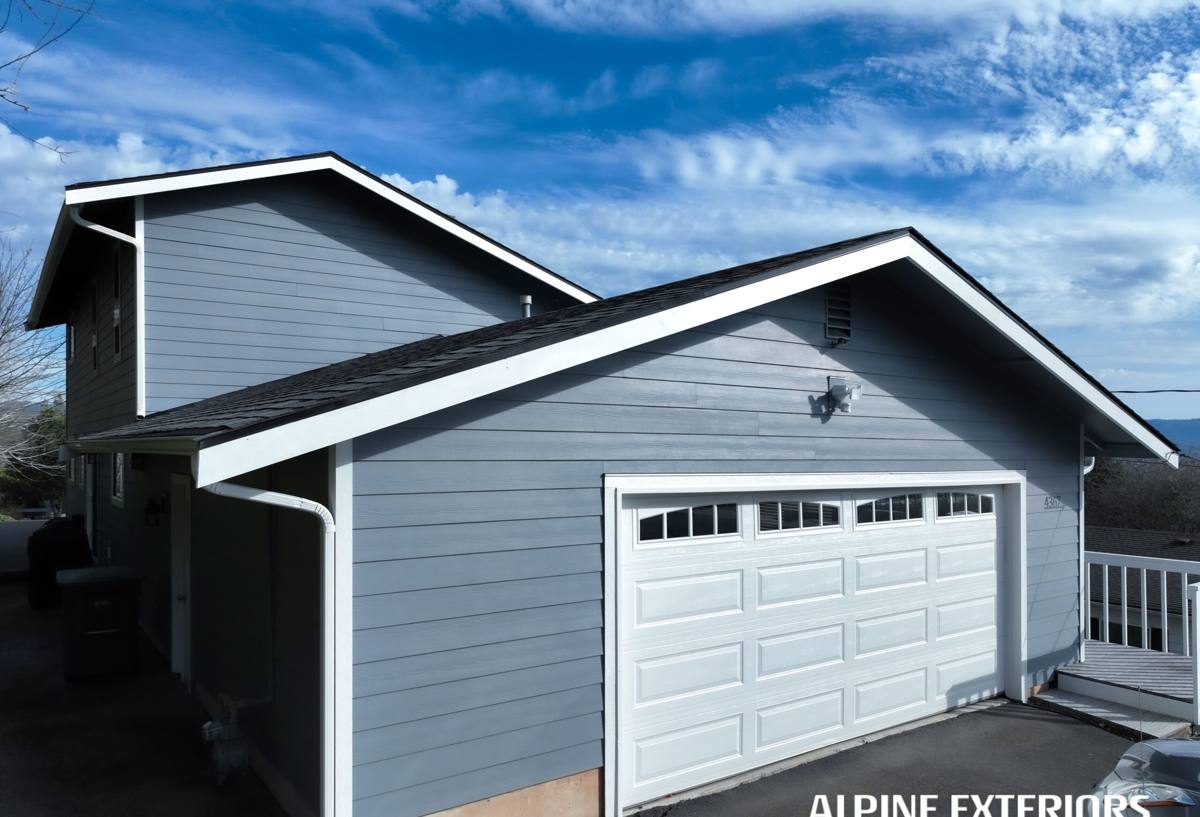
Why Fairhaven Roofs Take This Kind of Damage
Salt Air and Metal Fatigue
Homes near the water deal with airborne salt settling on flashing, fasteners, and any exposed metal roofing components. Over time this accelerates corrosion, which weakens the seal at valleys, chimneys, vent pipes, and roof-to-wall transitions — exactly the spots most likely to leak once a storm pushes wind-driven rain against the roof. A fastener or flashing seam that would last decades in a drier inland climate can fail years earlier here.
Driving Rain, Not Just Rain
Whatcom County storms rarely arrive as simple straight-down rainfall. Wind pushes the rain sideways and upward under shingle edges, ridge caps, and flashing laps that were only ever designed to shed water moving downhill. A roof that's watertight in a light shower can still leak in a wind-driven storm if the underlayment, flashing, or shingle overlap isn't installed with that in mind.
Moss: The Slow Damage Nobody Notices
Shade, moisture, and mild temperatures make this part of Washington ideal for moss growth on roofing. Moss holds water against the roof surface far longer than the shingle was designed to tolerate, lifts shingle edges as it grows, and works its way under laps and around fasteners. A roof with an established moss problem is already compromised before a storm arrives — the storm just finds the weak spot moss created and turns it into an active leak.
What Storm Damage Actually Looks Like Here
Not every storm-related roof problem is obvious from the ground. Some of what we find on Fairhaven roofs after a wind and rain event includes:
- Shingles lifted, cracked, or torn loose at exposed edges, ridges, and hips
- Flashing pulled away or bent at chimneys, skylights, and roof-to-wall junctions
- Granule loss that thins the shingle's protective surface after repeated wind abrasion
- Fascia and soffit damage where wind-driven rain gets pushed up under roof edges
- Water staining or soft spots on interior ceilings that trace back to a roof leak, not a plumbing issue
- Debris impact from falling branches, which is common given how many mature trees surround homes in this area
- Moss mats that have lifted shingles enough for wind to catch an edge and tear it
Some of these are visible from the driveway. Others only show up on the roof itself, which is why a proper storm damage assessment means someone actually getting up there, not just looking from the ground or from photos.
What a Correct Repair Involves
A storm damage repair that's done right isn't just replacing what's visibly broken. It has to address why the damage happened and whether the surrounding material is still sound enough to tie the repair into.
1. A Full Inspection, Not a Spot Check
We look at the whole roof plane, not just the area that's obviously damaged. Wind damage often extends beyond what's visible from the ground, and it's common to find a second problem area — often moss-related — that the storm made worse but didn't originate.
2. Matching Materials Correctly
Shingle color, profile, and weight vary by manufacturer and by product age. A repair that uses mismatched material stands out visually and can also create a weak seam where the old and new material don't seal together properly. When an exact match isn't available, we're upfront about it and discuss the best-looking, most weathertight option rather than just grabbing whatever's on the truck.
3. Flashing and Underlayment, Not Just Shingles
Given how much of the damage here traces back to salt-accelerated flashing corrosion or wind-driven rain finding a gap, a repair that only replaces shingles and ignores the flashing or underlayment underneath is going to leak again. Every repair we do includes checking — and replacing where needed — the flashing and underlayment in the repair area, not just the surface layer.
4. Addressing Moss, Not Just Papering Over It
If moss contributed to the damage, cleaning and treating it is part of the repair, not a separate upsell. Repairing a section of roof while leaving an active moss colony next to it just means a repeat call in a year or two.
5. Ventilation Check
Poor attic ventilation traps moisture, which accelerates rot and makes moss and mildew worse on the roof deck itself. A storm repair is a natural point to check that ventilation is doing its job, especially on older Fairhaven homes that may have been built before current ventilation standards.
Our Process
| Step | What Happens |
|---|---|
| 1. Contact & Scheduling | We schedule an inspection quickly after a storm — active leaks and exposed decking don't wait. |
| 2. Roof Inspection | A physical, on-roof inspection documenting damage, its likely cause, and any pre-existing conditions (moss, worn flashing, aging shingles) that contributed. |
| 3. Temporary Protection | If there's active exposure, we get the area weatherproofed right away to stop interior damage while the full repair is planned. |
| 4. Written Estimate | A clear scope of work and cost, explaining what's being repaired and why, before any work starts. |
| 5. Insurance Documentation | If you're filing a claim, we provide photo documentation and a damage summary your adjuster can use. |
| 6. Repair | Matched materials, correct flashing and underlayment work, and moss treatment where relevant. |
| 7. Final Check | We walk the repair with you and confirm the area is fully sealed and matches the surrounding roof. |
Cost Factors for Storm Damage Repair
Every roof and every storm is different, so we won't quote a number without seeing the damage. What we can tell you is what tends to move the price up or down:
| Factor | Why It Matters |
|---|---|
| Extent of the damaged area | A single lifted section costs far less than a full slope that needs stripping and re-flashing. |
| Roof age and material condition | Older or already-worn shingles nearby may need to come out too, since new shingles won't seal properly against brittle old ones. |
| Flashing and underlayment condition | Salt-corroded flashing or saturated underlayment found during the repair adds scope, but skipping it just means a repeat leak. |
| Moss remediation needed | Treating and clearing an active moss problem alongside the repair adds labor but protects the repair itself. |
| Roof pitch and access | Steeper roofs and limited access points take longer and require more safety setup. |
| Material availability | Matching an older or discontinued shingle line can add lead time and sometimes cost. |
Insurance Claims: What to Expect
Many storm damage repairs in Whatcom County go through homeowners insurance, especially when wind or a falling branch caused sudden, identifiable damage. Gradual issues like long-term moss buildup are typically treated as maintenance rather than storm damage, so it matters that the inspection clearly documents what the storm caused versus what was already present. We provide the photo documentation and written scope adjusters ask for, and we're available to walk the roof with an adjuster if that's useful. We don't handle the claim itself — that's between you and your insurer — but we make sure the roofing side of that conversation is backed by clear, accurate documentation.
Why a Crew That Already Works Fairhaven Matters
Storm damage repair isn't just a technical skill — it's also about knowing what's normal for this area and what isn't. A crew that regularly works Fairhaven and the surrounding Whatcom County communities already has a feel for how salt exposure ages flashing here, how aggressive moss growth gets on shaded roof planes near the water, and which older roofing materials are still common on homes in this area versus newer builds. That local pattern recognition means a faster, more accurate diagnosis — and it means we're not guessing at what "normal wear" looks like here before we can tell you what's storm-related and what isn't.
Response time matters too. After a significant wind and rain event, roofs with active leaks need attention within days, not weeks. Being local means we can get eyes on the roof and, if needed, temporary protection in place quickly, rather than adding travel time on top of an already-stressful situation.
What to Do Right After a Storm
If you suspect storm damage, a few simple steps protect your home and make the eventual repair — and any insurance claim — go smoother:
- Check ceilings and attic spaces for new water stains, damp insulation, or drips
- Look at the roof from the ground for obviously missing, lifted, or displaced shingles
- Note the date and general conditions of the storm for your records
- Avoid climbing onto the roof yourself, especially on wet or steep sections
- Cover any confirmed interior leak with a bucket or tarp to limit damage while you wait for inspection
- Call for an inspection promptly — small openings get worse with every additional rain event
- Take photos from the ground of anything visibly damaged, dated and time-stamped if your phone supports it
Get a Free, No-Pressure Estimate
If a recent storm has you wondering about your roof's condition, or you've noticed a leak, missing shingles, or heavier-than-usual moss on a slope, we're happy to take a look. Fill out the form below and we'll schedule an inspection and give you a straightforward, honest estimate — no pressure, no upsell, just a clear picture of what your roof needs.