 Sudden Valley Siding
 Metal Roofing for Fairhaven-Area Homes Near Sudden Valley
Homeowners in the Fairhaven area and around Sudden Valley deal with a specific mix of weather that most roofing material simply wasn't built for: salt-laden air rolling in off the water, long stretches of driving rain, and a moss season that can run eight or nine months out of the year. A metal roof, installed correctly, handles all three better than almost any other option — but "installed correctly" is doing a lot of work in that sentence. We've built our metal roofing process around what actually holds up here, not what looks good in a brochure.
This page covers what a metal roof needs to do in this specific corner of Whatcom County, what a correct installation actually involves, and how our process works from first call to final walkthrough.
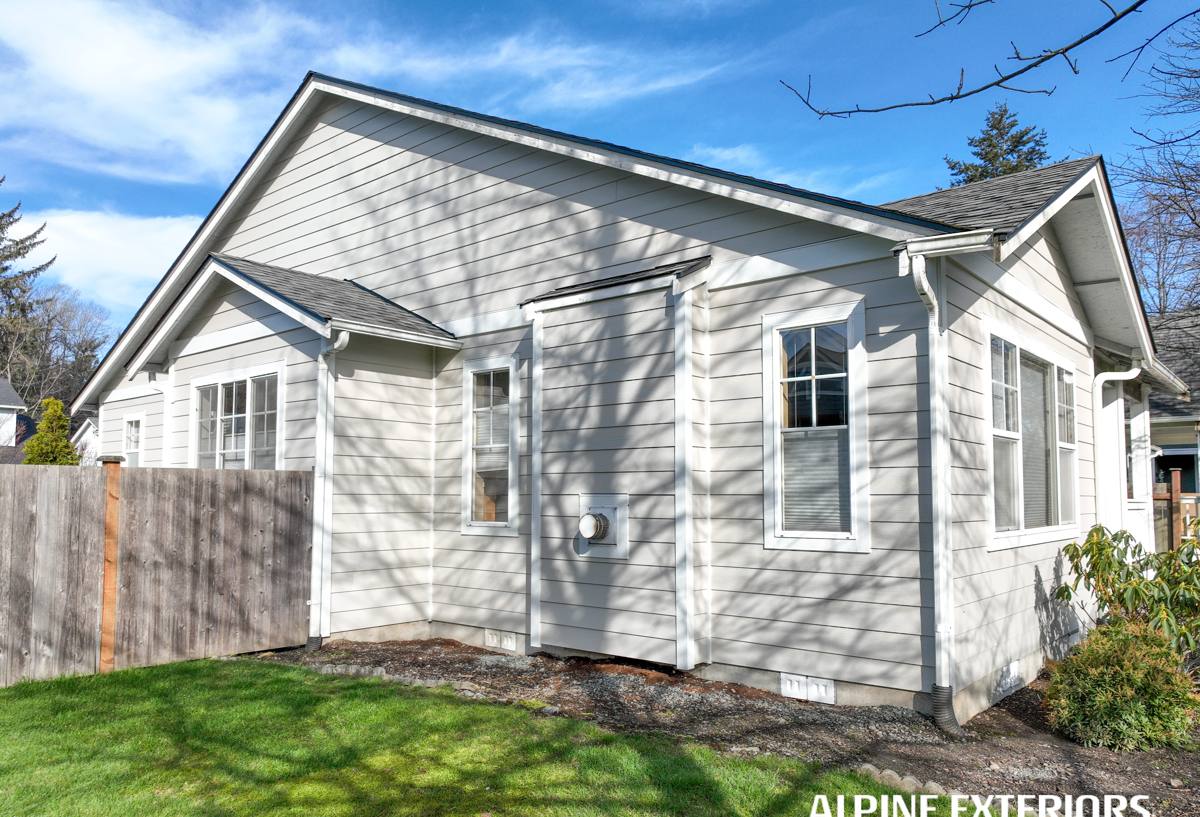
Why the Local Climate Changes the Job
Salt Air and Corrosion
Proximity to marine air means airborne salt settles on every exterior surface, including the roof. Bare or poorly coated fasteners, cut edges left unsealed, and mismatched metals in contact with each other (a fastener of the wrong alloy against a panel, for example) will corrode faster here than they would twenty miles inland. The fix isn't exotic — it's using fastener and flashing materials that are rated for coastal exposure and making sure every cut edge gets properly treated instead of left raw.
Driving Rain and Wind-Driven Water
Rain here doesn't always fall straight down. Wind pushes it sideways and up under laps, ridge caps, and penetrations if those details aren't sealed and lapped correctly. A metal roof sheds bulk water well by design, but the seams, valleys, and transitions are where water actually gets in if the installer cuts corners. This is where most "metal roof leaks" we get called out to inspect actually originate — not the panels themselves, but the trim and flashing work around them.
Moss and Organic Growth
Whatcom County's damp, mild climate keeps moss and algae active nearly year-round on shaded or north-facing roof sections. Moss holds moisture against a roof surface, and on some materials that moisture sits there and does damage over time. Metal doesn't give moss the same foothold that shingles do, but it isn't immune — debris, needles, and organic buildup in valleys and against walls still need to be kept clear, or moss will establish itself even on a metal surface.
What a Correct Metal Roof Installation Involves
A metal roof is only as good as the layers underneath it and the details around its edges. Here's what we consider non-negotiable on every job:
- Deck inspection and repair: Any soft, rotted, or delaminated sheathing gets replaced before a single panel goes down. Installing over a bad deck just hides the problem.
- Underlayment matched to exposure: High-temperature synthetic or self-adhered underlayment in valleys, eaves, and around penetrations — areas where wind-driven rain and ice-adjacent conditions put the most stress on the assembly.
- Proper ventilation: Metal roofs need balanced intake and exhaust ventilation to manage condensation on the underside of the panels, especially in a climate this damp.
- Corrosion-appropriate fasteners and flashing: Matched metal types and coatings to avoid galvanic corrosion, particularly important given the salt air.
- Careful panel layout and fastening: Correct fastener spacing and torque so panels can expand and contract with temperature changes without oil-canning or working fasteners loose over time.
- Detailed trim work at valleys, ridges, and penetrations: This is where the majority of long-term performance is decided.
Panel Types and What We Recommend
Not every metal roofing product performs the same way in a wet, salty, moss-prone climate. Here's how the common options compare for this specific area:
| Panel Type | Coastal/Salt Performance | Moss Resistance | Maintenance Notes |
|---|---|---|---|
| Standing seam steel (coated) | Strong, with proper coating and fasteners | Very good — smooth surface sheds debris | Low; occasional debris clearing in valleys |
| Exposed-fastener metal panels | Good, but fastener seals need monitoring over time | Good | Periodic fastener/gasket inspection |
| Aluminum panels | Excellent — naturally corrosion-resistant | Very good | Low; higher material cost |
| Metal shingle/shake profiles | Good with proper coating | Good, more surface texture than standing seam | Slightly more debris catch points than flat seam panels |
For most homes in this area, we lean toward standing seam or aluminum panels because of how they perform against salt exposure and how cleanly they shed moss-feeding debris. Exposed-fastener systems can still be a sound, budget-conscious choice when the fastener details and gaskets are done right and the homeowner understands the maintenance rhythm.
Our Process, Step by Step
1. On-Site Assessment
We walk the roof and attic, check the deck condition, look at existing ventilation, and note problem areas — valleys, wall intersections, chimneys, skylights — where past leaks or moss buildup tend to concentrate on homes in this area.
2. Written Scope and Honest Pricing
You get a clear scope of work: what's being replaced, what materials are specified, and why. No vague line items. If your deck needs repair or your ventilation needs upgrading, that's called out separately so you know exactly what you're paying for and why it matters here.
3. Tear-Off and Deck Prep
Old roofing comes off, the deck gets inspected board by board, and any damaged sheathing is replaced before underlayment goes down.
4. Underlayment and Flashing First
This is the step that determines whether the roof stays dry in driving rain. Valleys, eaves, and penetrations get the heavier-duty underlayment and flashing treatment before any panel is installed.
5. Panel Installation
Panels go down with correct fastener spacing, proper alignment, and attention to expansion/contraction allowances so the roof performs over decades, not just the first winter.
6. Final Walkthrough
We walk the finished roof with you, cover care and maintenance specific to your property's exposure, and answer questions before we call the job done.
Cost Factors Homeowners Should Understand
Metal roofing costs more upfront than asphalt shingles, but the factors that move the price on a given project are worth understanding before you compare bids:
| Factor | Why It Matters |
|---|---|
| Panel material (steel vs. aluminum) | Aluminum costs more but resists salt-air corrosion better without added coating maintenance |
| Roof complexity (valleys, dormers, penetrations) | More cuts and transitions mean more flashing labor and more places water can find a way in if done poorly |
| Deck condition | Rot or delamination found during tear-off adds repair cost but prevents installing a good roof over a bad base |
| Ventilation upgrades | Older homes often need intake/exhaust balancing added, which affects long-term moisture performance |
| Panel profile (standing seam vs. exposed fastener) | Standing seam costs more installed but has fewer long-term maintenance points |
Broadly, homeowners in this area should expect metal roofing to run higher than a comparable asphalt shingle replacement, with the exact number depending heavily on the factors above. We'll walk through where your specific project lands during the estimate.
Maintenance That Actually Matters Here
A metal roof is genuinely low-maintenance compared to shingles, but "low-maintenance" doesn't mean "no maintenance" in a climate like this one. What we recommend:
- Clear valleys and roof-to-wall intersections of needles and debris once or twice a year — this is where organic buildup collects and moss gets its start.
- Keep gutters clear so water isn't backing up under eave flashing during heavy rain events.
- Trim back overhanging branches that keep sections of roof shaded and damp longer than the rest.
- Have flashing and sealant points checked periodically, especially after major windstorms.
- Address any granular moss or algae growth early with appropriate cleaning methods rather than letting it establish.
Why a Crew That Already Works Fairhaven and Sudden Valley Matters
Roofing details that work fine in a dry inland climate can fail here within a few years — under-flashed valleys, the wrong fastener alloy, skipped ventilation. A crew that already works this specific area has seen what actually goes wrong on local roofs and builds every detail around preventing it, rather than applying a generic installation approach and hoping it holds up against salt air and near-constant moisture. That local knowledge shows up in the small decisions — which underlayment gets used where, how flashing is lapped at a valley, how fasteners are chosen — long before it shows up as a problem you'd have to call someone back for.
Get an Honest Look at Your Roof
If you're considering a metal roof for a home in the Fairhaven area or elsewhere around Sudden Valley, we're happy to come take a straightforward look and walk you through what your specific roof needs. There's no pressure and no sales script — just a clear assessment and honest numbers. Fill out the form below to schedule a free estimate.