 Sudden Valley Siding
 Why Barkley Decks Wear Out Faster Than You'd Expect
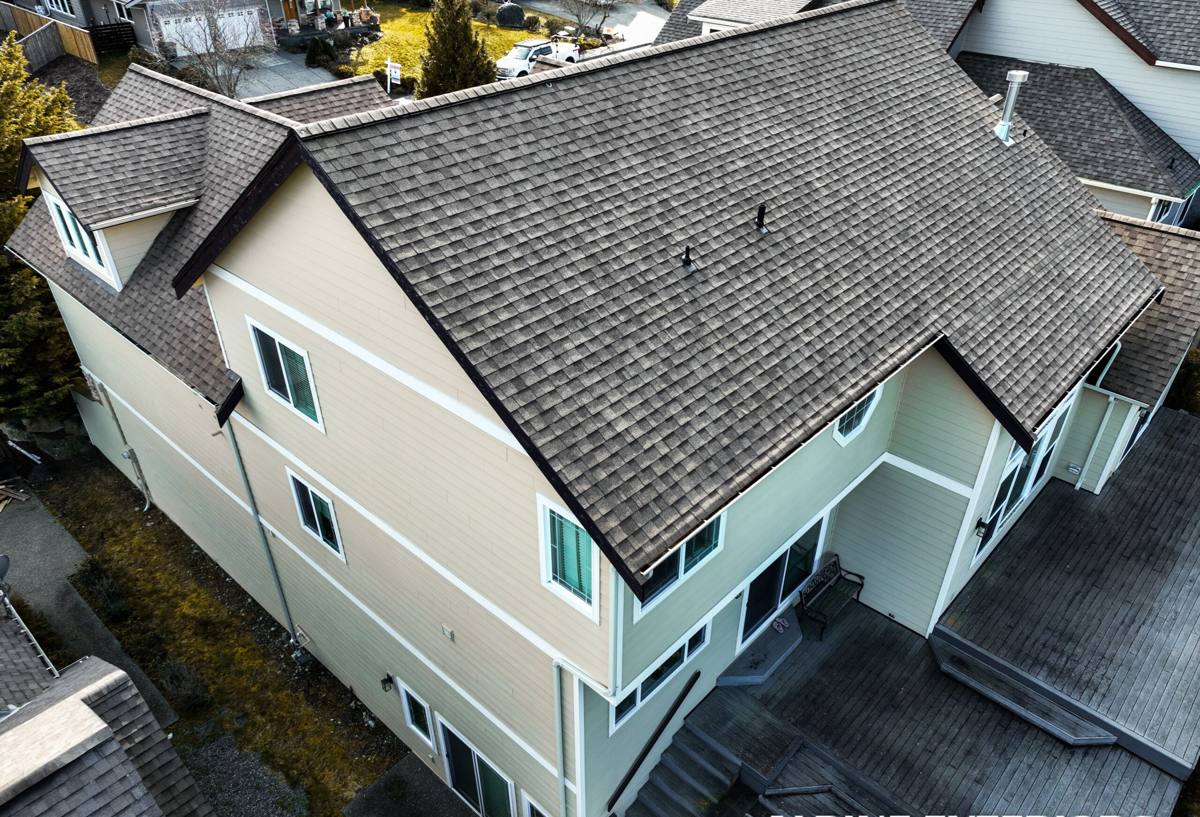
If you own a home in the Barkley area, you already know the deck doesn't get an easy life. Whatcom County's marine climate means long stretches of steady rain, short dry windows to actually get work done, and a moss and algae season that can run eight or nine months out of the year. Add in salt-tinged air drifting in off the water on breezy days, and you've got a combination that goes after wood fasteners, ledger boards, and footings from multiple directions at once. A deck that would last two decades in a dry inland climate can start showing real structural problems in half that time here if it wasn't built — or isn't maintained — with this specific environment in mind.
We see the same failure patterns on Barkley decks over and over: soft spots near the house where the ledger board meets the siding, rusted-out fasteners that streak the boards orange, joists that look fine on top but are punky underneath, and railings that have gone spongy at the post bases. None of that is a surprise once you understand what constant moisture cycling does to a structure over years. The good news is that a correctly built replacement deck, matched to this climate, holds up dramatically better than what's likely on your house now.
What "Correct" Actually Means for a PNW Deck
Deck replacement isn't just pulling up old boards and screwing down new ones. The parts of a deck that fail first in Sudden Valley's climate are almost always hidden — the ledger connection, the framing, and the fasteners — not the decking surface itself. A replacement done right addresses all of it, not just the part you can see from the yard.
The Ledger Board and Flashing
The ledger board — where the deck attaches to the house — is the single most common failure point we find on older Whatcom County decks. Without proper flashing, water gets behind the ledger, soaks into the rim joist, and rots the framing from the inside out where nobody sees it until the deck starts to feel spongy or a railing post wiggles. Any deck we replace gets correctly flashed ledger-to-house connections, not just caulk and hope.
Framing and Fasteners
Standard construction-grade fasteners corrode fast in this climate, especially with any salt air in the mix. We build with stainless steel or heavy hot-dip galvanized fasteners and connectors rated for ground contact and coastal exposure, and we use joist hangers and structural screws sized to current code, not whatever was cheapest at the time the original deck went up.
Footings and Post Bases
Wet, shifting Whatcom County soil is hard on undersized or shallow footings. We set footings below frost depth and to local code, and we keep post bases elevated off the concrete so wood doesn't sit in standing water after every rain.
Decking Material: What Actually Holds Up Here
There's no single "best" decking material — there's a best fit for your budget, your maintenance appetite, and how much moss and moisture exposure your specific lot gets. Here's how the common options actually perform in this climate, based on what we see come back for repair versus what doesn't.
| Material | Moisture & Moss Behavior | Maintenance | Typical Lifespan Here |
|---|---|---|---|
| Pressure-treated wood | Absorbs moisture readily; needs sealing to resist moss staining and cupping | Annual cleaning, re-seal every 2-3 years | 15-20 years with upkeep |
| Cedar | Naturally moisture- and insect-resistant, but still needs sealing in this climate | Cleaning and periodic oiling | 15-25 years with upkeep |
| Composite decking | Doesn't absorb water or rot, but moss and algae can grow on the surface in shaded, damp spots | Periodic washing, no sealing or staining | 25-30+ years, manufacturer-dependent warranty |
| PVC/capped composite | Fully sealed surface resists moisture and staining best of any decking material | Occasional washing | 25-30+ years, manufacturer-dependent warranty |
Composite and capped composite boards have become the more common choice for Barkley-area replacements because homeowners are tired of the annual sealing cycle that wood demands in a climate this wet. That said, plenty of homeowners still prefer real wood for the look and are willing to keep up with maintenance — we'll build either one correctly and won't push you toward a product that doesn't fit your plans. Whatever material you choose, we're honest about the trade-off: lower-maintenance materials generally cost more upfront, and even "no-maintenance" composite still needs occasional washing to keep moss and algae from getting a foothold in shaded corners.
Moss, Algae, and Drainage — The Ongoing Battle
Even a perfectly built deck will grow moss in the shady, north-facing corners common on Barkley lots if water has nowhere to go. Two things matter most here: board spacing and slope. Decking boards need consistent gaps to let water drain through instead of pooling, and the deck frame itself should have a slight slope away from the house so water sheds instead of sitting. We also space boards to allow airflow underneath, which speeds up drying between the rain events that define most of the fall, winter, and spring around here.
Under-deck drainage matters too, especially on taller decks where the space below is used for storage or a patio. If that's part of your project, we can talk through drainage system options at the estimate — it's a separate add-on from the deck structure itself, but it's worth discussing if moss and standing water underneath the deck have been an ongoing frustration.
Signs Your Deck Needs Replacement, Not Repair
- Soft or spongy spots anywhere in the decking, especially near the house
- Rust streaking around fasteners or visibly corroded hardware
- A ledger board area that feels damp, discolored, or separated from the siding
- Railing posts that flex or wiggle at the base
- Joists that show rot, splitting, or insect damage when checked from underneath
- Persistent moss or algae buildup that comes back within weeks of cleaning
- A deck older than 15-20 years that's never had its ledger, framing, or fasteners inspected
If you're only seeing one or two of these and the framing underneath is sound, repair may be enough. Once the framing, ledger, or footings are compromised, patching the surface boards just delays a full rebuild — and in the meantime you're carrying real safety risk on a structure people stand on.
Our Process for Barkley Deck Replacements
- On-site assessment. We inspect the existing deck from top to bottom — decking, framing, ledger, footings, and railings — and tell you honestly what's failing and why.
- Design and material selection. We walk through decking material options, railing styles, and layout, matched to your budget and how much maintenance you want to take on long-term.
- Permitting. Deck replacements in Whatcom County typically require a permit, especially for structural work involving footings or framing changes. We handle that process so you don't have to chase it down yourself.
- Demolition and disposal. The old deck comes out, including footings if they're undersized or improperly placed, and debris is hauled off the site.
- Framing and flashing. This is the part that determines how long the new deck actually lasts — correct ledger flashing, code-rated footings, and corrosion-resistant fasteners throughout.
- Decking, railings, and finish work. Boards, railings, stairs, and any lighting or accessories go in last, with attention to spacing and drainage.
- Final walkthrough. We go over the finished deck with you, including any maintenance schedule the material calls for.
Why a Crew That Already Works Barkley Matters
A deck built to a generic national spec isn't the same as one built for this specific stretch of Whatcom County. Crews who work Barkley and the broader Sudden Valley area regularly know which lots hold moisture longest, which orientations fight moss the hardest, and which fastener and flashing details actually hold up through a full wet season rather than just looking good on installation day. That local pattern recognition is the difference between a deck that needs attention again in five years and one that doesn't.
There's also a practical side to hiring local: permit familiarity with Whatcom County requirements, faster response if a warranty question comes up, and a crew that isn't guessing at seasonal scheduling around the wettest months. We plan deck replacements around the drier windows in the calendar when possible, because rushing structural work into a downpour never produces the best result.
What This Typically Costs
Deck replacement pricing depends heavily on size, framing complexity, material choice, and whether footings or structural framing need to be reworked versus reused. Pressure-treated wood decks generally cost less upfront than composite or PVC, while composite and capped composite decks cost more initially but reduce the ongoing maintenance burden this climate tends to demand. Rather than throw out a number that doesn't fit your specific deck, we'd rather look at it in person and give you a real range based on your actual layout, square footage, and material preference.
Ready for a Deck That's Actually Built for This Climate?
If your deck in the Barkley area is showing soft spots, rust, moss that won't quit, or it's simply past its useful life, we'll come take a look and give you a straight answer — no pressure, no upsell. Fill out the form below for a free estimate on your deck replacement.