 Sudden Valley Siding
 Windows Built for Sunnyland's Weather, Not Just Its View
Sunnyland sits close enough to Lake Whatcom and the marine air moving in off Bellingham Bay that its homes take a steady beating from moisture, even on days that never see real rain. Fog rolls in overnight, condenses on glass and trim, and by morning your window sills have been damp for eight hours before the sun even tries to burn it off. Over a few decades that cycle finds every weak seal, every gap in old glazing putty, and every spot where a frame was never quite square to begin with.
We work Sunnyland regularly, which matters more than it sounds like it should. A crew that only shows up once knows the model number on the box. A crew that comes back knows which streets sit in a fog pocket longer than others, which homes get wind-driven rain straight into west-facing walls, and which older builds still have the original single-pane wood windows that were fine for 1970s expectations but aren't doing anyone any favors on a heating bill today.
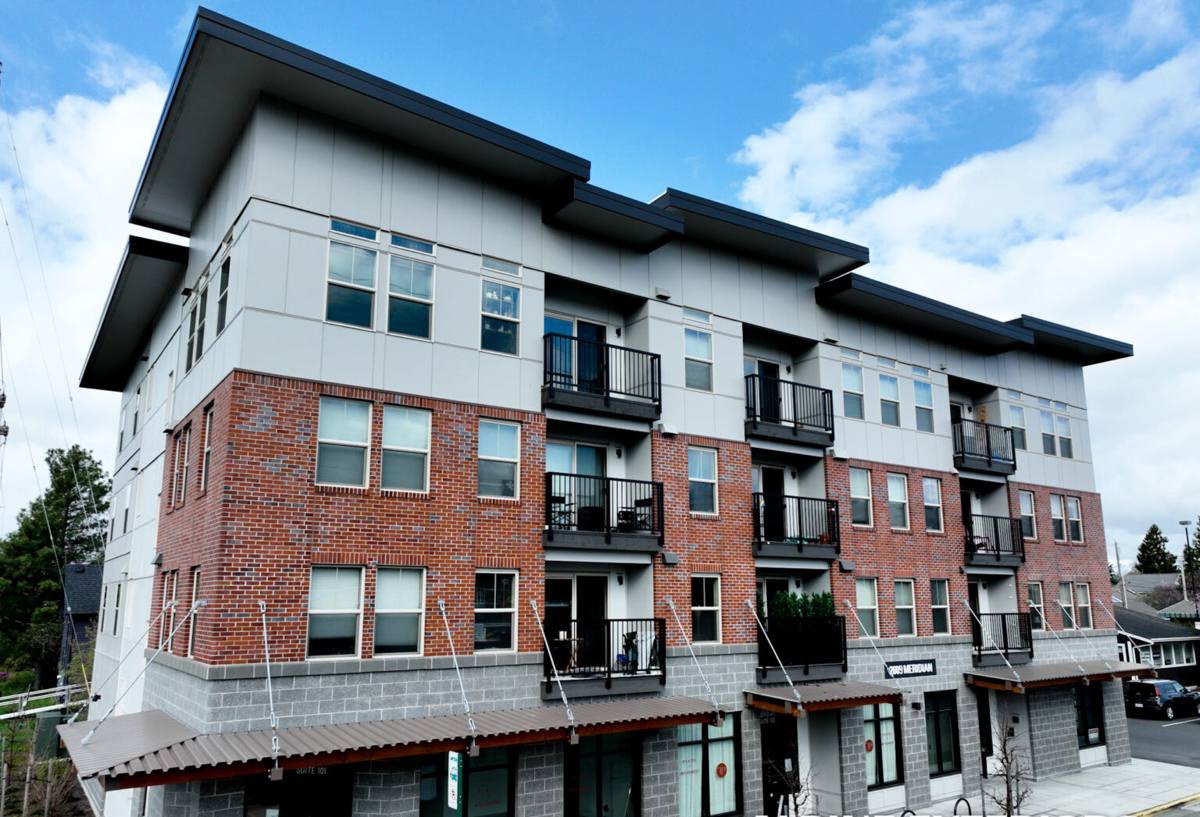
What Sudden Valley's Climate Actually Does to Windows
Moss Season Isn't Just a Roof Problem
Whatcom County's long wet season keeps humidity high for months at a stretch. Moss doesn't stop at the roofline — it works its way into window sills, tracks, and any horizontal wood surface that stays damp longer than it stays dry. Once moss and algae get a foothold on a wood sill, they hold moisture against the surface constantly, which accelerates rot from the inside out, often before it's visible from the yard.
Salt Air and Metal Hardware
Proximity to Puget Sound air means salt-laden moisture in the mix, which is harder on unprotected metal hardware, screws, and lower-grade aluminum components than most homeowners expect. Locks stick, cranks seize, and cheap fasteners corrode years before the glass itself fails.
Driving Rain and Wind Exposure
Sudden Valley's elevation and tree cover create wind patterns that push rain sideways against certain wall faces, especially in fall and winter storms. A window that seals fine in still air can still leak under wind-driven rain if the flashing detail and sill pan weren't done correctly at install. This is one of the most common failure points we find in older replacement jobs done without proper flashing.
What a Correct Window Job Involves Here
Custom windows means the unit is built to your exact rough opening rather than forcing a stock size to fit — but the frame itself is only part of the job. The install is where most long-term problems either get prevented or get built in.
- Full removal of the old unit and inspection of the rough opening for rot, soft wood, or prior water damage before anything new goes in
- Correct sill pan flashing so any water that does get past the outer seal drains back out instead of pooling against framing
- Proper integration with the existing weather-resistive barrier (house wrap or building paper) — shingled correctly, not just taped over
- Low-expansion foam and backer rod at the frame gap, not just caulk alone, for a real thermal and air seal
- Exterior caulking rated for cold, wet climates — not a generic caulk that goes brittle after one winter
- Hardware and cladding chosen for corrosion resistance given the salt-air exposure common in this area
- A final operational check — every sash opens, closes, and locks smoothly before we call the job done
Choosing Frame Materials for a Damp, Salty Climate
Frame material matters more here than in a dry inland climate, because the failure mode in a place like Sudden Valley is almost always moisture-related, not just fading or brittleness from sun exposure.
| Material | How It Handles Our Climate | Maintenance |
|---|---|---|
| Vinyl | Doesn't rot or corrode; performs consistently in damp, salt-influenced air | Low — occasional cleaning |
| Fiberglass | Very stable dimensionally, resists moisture and temperature swings well | Low |
| Wood-clad | Good insulating value and appearance, but exterior cladding must be intact — any breach lets moisture reach the wood core | Moderate to high — cladding and seals need periodic inspection |
| Bare wood | Classic look but the most exposed to rot, moss growth, and swelling in a wet marine climate | High — regular painting, sealing, and moisture checks |
| Aluminum (uninsulated) | Conducts cold and can condense heavily indoors; standard hardware more prone to salt-air corrosion | Moderate — hardware wear is common |
We don't push one material as "the only right answer." Our standard is picking what actually holds up to this specific climate on this specific house, and being straight with you about the maintenance trade-off either way. A bare wood frame can be beautiful, but if you want it, you should go in knowing it needs real upkeep here — we'd rather tell you that upfront than let you find out the hard way in year six.
Glass and Glazing Choices That Make Sense Locally
Double-pane, low-E glass is the practical baseline for this region — it cuts heat loss through the winter and reduces the interior condensation that shows up on colder mornings when warm indoor air meets cold glass. In a climate with this much ambient moisture, condensation control isn't cosmetic; sustained condensation on interior sills and trim is its own slow path to wood damage and mold growth.
Argon-filled units add a modest efficiency boost for a modest cost increase, and are worth discussing if you're already investing in full replacement. Triple-pane is available but usually only worth the added cost on north- or west-facing rooms that see the most wind and cold exposure — we'll tell you honestly if it's not going to pay for itself on a given wall.
Signs a Sunnyland Home Needs Window Replacement
- Visible fog or moisture trapped between panes — the seal has failed and it won't clear on its own
- Wood sills that feel soft, spongy, or show moss or dark staining
- Windows that are difficult to open, close, or lock, especially after damp weather
- Cold drafts near the frame even when the sash is fully closed
- Visible gaps between the frame and siding, or cracked/missing exterior caulk
- Noticeably higher heating bills without another clear cause
Not every one of these means full replacement is the only option — sometimes a resealing or hardware repair solves it. Part of an honest estimate is telling you when repair is the right call instead of upselling a full install you don't need yet.
Our Process, Start to Finish
1. On-Site Assessment
We walk the exterior and interior of each window being considered, check for rot or prior water intrusion around the opening, and talk through what you actually want out of the replacement — energy performance, easier operation, updated appearance, or all three.
2. Measuring and Ordering
Because these are custom units, precise measurement matters. We measure each rough opening individually rather than assuming uniformity across a home, since older Sudden Valley homes often settled or were framed slightly differently window to window.
3. Install
Old units come out, the opening gets inspected and repaired if needed, and the new window goes in with proper flashing, sealing, and insulation as described above. We work efficiently but don't skip steps to save a day on the schedule.
4. Final Walkthrough
We test every window with you before we consider the job finished — operation, locks, and a visual check of the exterior seal and trim work.
Why a Crew That Already Works Sunnyland Matters
A lot of window problems in this area trace back to installs done by crews unfamiliar with local conditions — correct on paper, but not accounting for the wind-driven rain patterns or the moss and moisture load this climate carries most of the year. Working Sudden Valley regularly means we've seen how different wall orientations and elevations in this specific area actually perform over time, not just how a spec sheet says a window should perform in a lab.
It also means straightforward logistics — we're not routing a special trip in from out of the area, which keeps scheduling realistic and follow-up easy if you ever have a question after the install.
Get a Straight Answer on Your Windows
If you're not sure whether your Sunnyland home needs a few windows replaced or a full-house update, we're happy to take a look and give you an honest read — no pressure, no inflated urgency. Use the form below to request a free estimate and we'll get back to you to schedule a time that works.