 Sudden Valley Siding
 Building a Deck That Actually Holds Up in Acme
A deck in Acme works harder than the same structure would almost anywhere else in the country. Between the damp, salt-tinged marine air that moves through Whatcom County, driving winter rain, and a moss season that can run eight or nine months out of the year, wood and hardware here are under constant low-grade attack. Most of the deck problems we get called out to fix didn't fail because of bad luck — they failed because a step got skipped that would have been fine in a drier climate but wasn't fine here. A deck built for Acme needs to be built for this specific set of conditions, not for a national average.
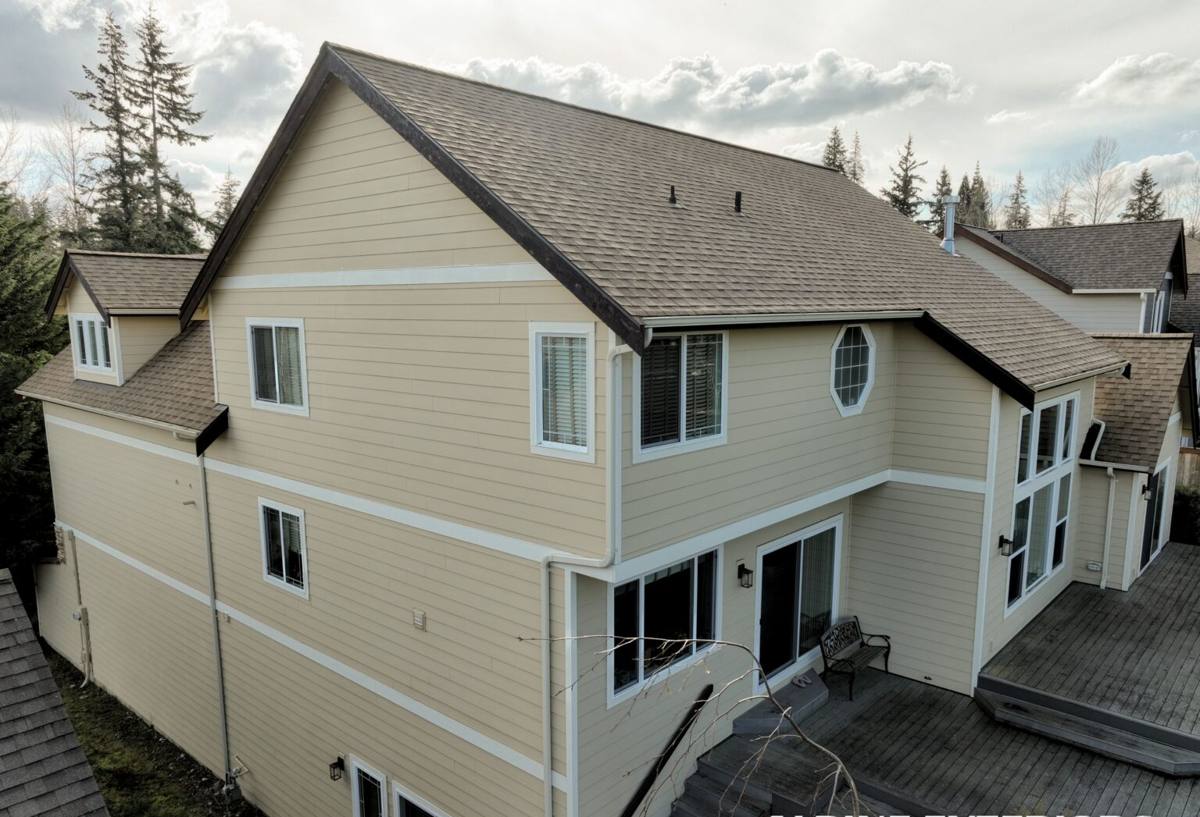
What Acme's Terrain and Climate Demand From a Deck
Acme sits in a wooded, semi-rural stretch of Whatcom County, and that setting shapes what a deck needs more than most homeowners expect. Tree cover is a mixed blessing — it's part of why people live out here, but it also means more shade, more falling debris, and slower drying times after a storm than a deck sitting out in the open.
Shade and Slow Drying
Decks tucked under fir and cedar canopy stay damp longer after rain because sunlight and wind, the two things that dry wood out, don't reach them the same way. That extended dampness is exactly what moss, algae, and mildew need to take hold, and it's also what accelerates rot in any wood that isn't fully sealed or properly treated.
Ground-Level Moisture
Many lots in this area have heavier, slower-draining soil than you'd find closer to Bellingham's coast. Water that doesn't drain away from footings and support posts sits there instead, which matters a lot when it comes to how a deck's foundation is built and how long the framing underneath actually lasts.
The Parts of a Deck That Decide Whether It Lasts 10 Years or 30
A deck is a system, and in this climate the weak link is almost always moisture management — where it's kept out, and where it's allowed to drain away instead of pooling.
Footings and Framing
Footings need to be sized and set below the local frost line, and on the heavier, wetter soils common around Acme, drainage around the footing matters as much as its depth. The ledger board — where the deck attaches to the house — is the single most common failure point we see on older decks in this region, because it's the one spot where water can wick behind the siding and rot the house's own framing if it isn't flashed correctly.
Fasteners and Hardware
Modern pressure-treated lumber uses a copper-based preservative that corrodes standard galvanized fasteners over time. In a climate that stays damp this much of the year, that corrosion happens faster, not slower. Every screw, joist hanger, and bolt in contact with treated wood should be rated for it — hot-dip galvanized at minimum, stainless steel in areas exposed to the most weather.
Decking Surface
The boards you walk on take the most direct hit from rain, moss, and UV, and they're also the easiest part of a deck to under-spec if a homeowner is shopping on price alone. We'll walk through the honest trade-offs below.
Railings and Guards
Most codes require a guardrail on any deck more than 30 inches above grade, generally at least 36 inches tall with balusters spaced no more than 4 inches apart. Beyond meeting code, railing posts are a common rot point when they're not properly flashed where they meet the decking — worth checking on any deck more than a few years old.
Choosing a Decking Material for This Climate
There's no single "right" decking material — there's a right material for your budget, your maintenance appetite, and how much shade and moisture your specific lot deals with. Here's how the common options actually compare once you factor in Whatcom County's weather rather than a manufacturer's brochure.
| Material | Upfront Cost | How It Handles Our Climate | Maintenance | Typical Lifespan |
|---|---|---|---|---|
| Pressure-treated wood | Lowest | Resists rot when properly treated, but cut ends and fastener holes need sealing or they'll wick moisture | Annual cleaning, periodic staining or sealing | 10-15 years before major boards need replacing |
| Cedar | Mid-range | Naturally rot- and insect-resistant, but will gray, cup, or split if left unsealed in this much rain | Resealing every 1-2 years to hold color and shed water | 15-20 years with regular upkeep |
| Wood-composite | Mid to high | Won't rot, though older composite formulations can hold surface moisture and grow mildew in shaded spots | Periodic washing; no staining or sealing required | 20-25 years |
| Capped composite or PVC | Highest | A sealed outer shell sheds water and resists mold and algae even in shaded, damp corners of the yard | Occasional washing only | 25-30+ years, often backed by longer manufacturer warranties |
Our standard for decks in shaded, moisture-heavy settings like much of Acme is to steer homeowners toward capped composite or well-detailed cedar unless there's a strong budget or aesthetic reason to go with basic pressure-treated boards. It's not that treated lumber is a bad product — it's that it demands more upkeep than most people realize once it's under tree cover for most of the year, and skipped maintenance is where the rot starts.
Permits and Code Requirements Around Acme
Because Acme is unincorporated, permitting for most projects here runs through Whatcom County directly rather than a city building department. As a general rule, any deck attached to the house, or one built more than a couple of feet above grade, is going to need a permit; small, low, freestanding decks are sometimes exempt depending on size, but the only way to know for certain on your property is to check with the county before work starts. We handle that step as part of our process rather than leaving it for the homeowner to sort out, since the requirements can shift depending on lot size, setbacks, and whether the property is on a septic system.
How Our Process Works, Start to Finish
Site Visit and Design
We start at the property, not on paper. That means looking at the slope of the lot, how much shade the deck location gets through the day, where water already collects after a storm, and how the deck will connect to the house. Material and layout decisions come out of that visit, not a generic template.
Permitting and Material Ordering
Once the design is set, we handle the permit application and pull together the material order. Acme's distance from the larger supply yards around Bellingham means we plan lead times ahead of schedule rather than assuming next-day availability — a detail that matters more out here than it would closer to town.
Construction
Footings go in first and are given time to cure properly before framing loads them. Framing, flashing at the ledger, and hardware selection follow, then decking, stairs, and railings. We sequence outdoor work around the weather where we can, but a well-run crew can still build through a wet stretch — it just changes how footings are protected and when certain steps happen.
Final Walkthrough and Care Instructions
Before we call a job done, we walk the deck with the homeowner, point out anything that needs periodic attention — sealing schedule, hardware to keep an eye on, drainage to watch — and answer questions honestly, including ones about what regular maintenance actually looks like.
Keeping a Deck Ahead of Moss Season
Most deck damage we see didn't happen overnight — it built up over a few missed maintenance seasons. A short list, done once or twice a year, catches almost everything before it becomes a repair job.
- Hose off leaf litter and debris from between boards and along the ledger board — trapped organic matter holds moisture against wood far longer than open air ever would.
- Check for soft or spongy spots in decking, especially near the house and around stair stringers, where water tends to collect.
- Look for rust streaks around fastener heads, which usually means the wrong hardware was used for treated lumber.
- Keep nearby gutters and downspouts clear so roof runoff isn't draining straight onto or under the deck.
- Scrub visible moss or algae with a stiff brush and a deck-safe cleaner rather than a pressure washer, which can strip wood fibers and leave the surface more open to moisture.
- Test railing posts for movement — a loose post is often the first visible sign of rot happening below the surface.
Why Hiring a Crew That Already Works in Acme Matters
A lot of deck problems we're called to fix trace back to a crew that built something correctly for a drier region and applied the same approach here. Knowing which fasteners actually hold up against Whatcom County's damp air, how deep footings need to sit in this area's soil, and which shaded corners of a lot are going to fight moss no matter what material goes down — that's knowledge that comes from building decks in this specific climate repeatedly, not from a general contracting background. It also means fewer surprises during permitting, since we already know how Whatcom County's process works for a semi-rural, unincorporated property like most of what's in Acme.
If you're weighing a new deck or wondering whether an existing one is holding up the way it should, we're happy to take a look and give you a straight answer — no pressure, no upsell. Use the form below to request a free estimate, and we'll walk your property with you before we talk numbers.