 Sudden Valley Siding
 Windows Built for a Different Kind of Weather
Homes in the Sunnyland area near Sudden Valley deal with a specific combination of conditions that most window installers never have to think hard about: salt-laden air moving through the region, long stretches of driving rain, and a moss season that seems to start earlier and last longer every year. None of that is dramatic on its own. It's the cumulative effect that wears windows down — slowly, quietly, and usually from the inside out.
A window that looks fine from the driveway can already have failed seals, soft framing, or a sash that's stopped closing tight. By the time it's obvious from the street, the damage has usually been building for a couple of years. That's why window replacement out here isn't just a cosmetic upgrade. Done right, it's a fix for a moisture problem before it becomes a structural one.
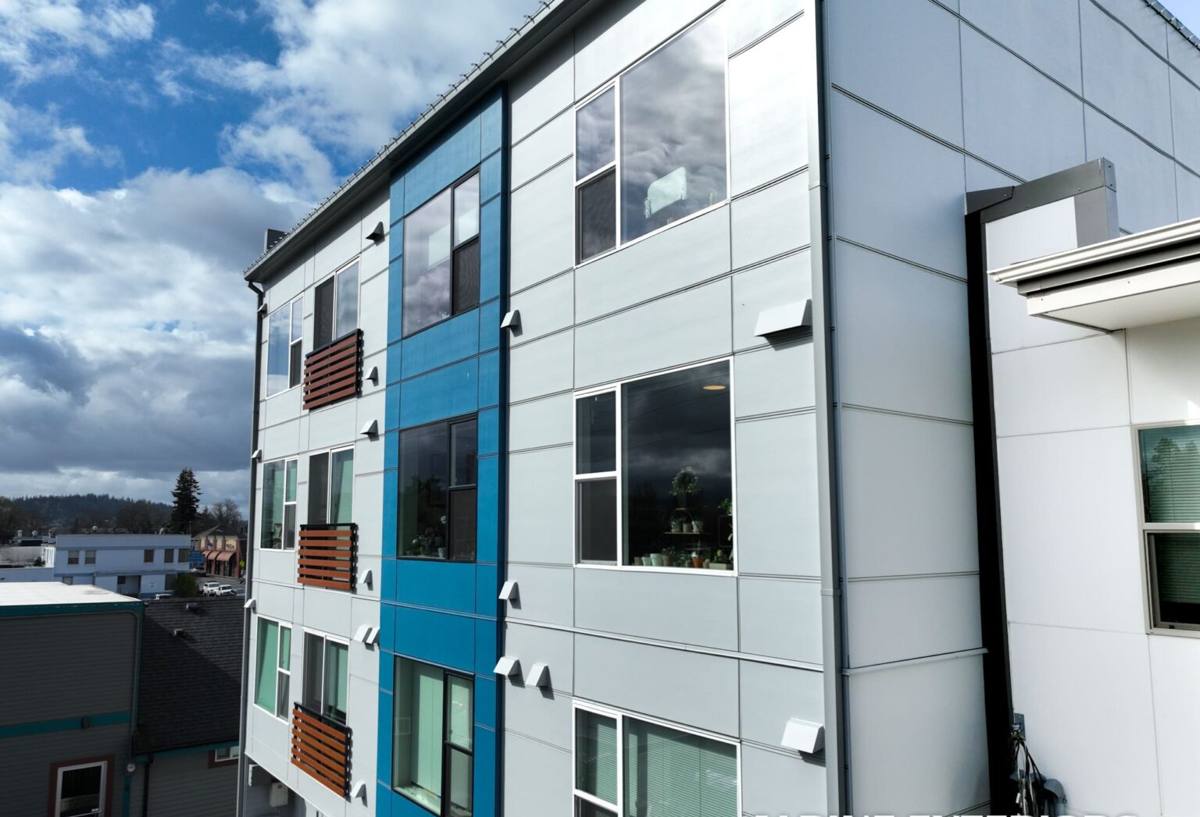
How This Climate Actually Attacks a Window
It helps to understand what's really happening to a window assembly in Whatcom County weather, because it changes what "correct installation" means.
Salt Air and Metal Fatigue
Salt in the air accelerates corrosion on any exposed metal hardware — hinges, cranks, balance springs, and cladding fasteners. Once hardware starts to corrode, windows get harder to operate, and homeowners force them, which stresses the frame and breaks seals faster than normal wear would.
Driving Rain and Wind-Driven Water
Rain here rarely falls straight down. Wind pushes it sideways into the wall assembly, which means the flashing and sealing details around a window matter more than the window itself. A premium window installed with sloppy flashing will leak. A modest window installed with correct flashing detail generally won't.
Moss and Sustained Moisture
A long moss season means extended periods where wood trim, sills, and the wall surface around a window stay damp instead of drying out between storms. That sustained dampness is what actually rots wood and breaks down old glazing putty and caulking — not any single storm.
What a Correct Window Replacement Job Involves
Swapping a window is easy. Replacing it correctly for this climate takes more steps, and skipping any of them is where most leaks and premature failures come from.
- Full removal of the old unit down to the rough opening, not a pocket-replacement insert over existing frames with hidden rot
- Inspection of the sill, king studs, and header for water damage before anything new goes in
- Correct flashing sequence — sill pan first, then side flashing, then head flashing, lapped so water sheds outward at every layer
- A continuous bead of quality sealant at the right points only — sealing everything can trap moisture instead of releasing it
- Proper shimming so the frame is square and doesn't bind, which matters for both weather sealing and long-term hardware wear
- Interior and exterior trim reinstalled or replaced to match, with attention to paint and caulk lines that will actually hold up outdoors
Any one of these steps done carelessly can undo the benefit of an otherwise good window. This is the part of the job that doesn't show up in a sales brochure but is exactly what determines whether the replacement lasts fifteen years or leaks within two.
Choosing the Right Window for This Area
There's no single "best" window material — there's a best fit for a given home, budget, and exposure. Here's how the common options actually compare for a Sudden Valley area home.
| Frame Material | Moisture Behavior | Maintenance | Typical Lifespan |
|---|---|---|---|
| Vinyl | Won't rot; performs well against sustained damp conditions | Low — occasional cleaning | 20–30 years |
| Fiberglass | Excellent stability, minimal expansion/contraction in wet-dry cycles | Low | 30+ years |
| Wood (clad exterior) | Good if cladding is intact; vulnerable where cladding is compromised | Moderate — watch cladding seams | 20–30 years with upkeep |
| Aluminum | Prone to condensation and corrosion in salt-influenced air | Moderate to high | 15–20 years |
We don't push one brand or material as universally correct. What we do push back on is any product or installation shortcut that trades long-term moisture performance for a lower upfront number, because in this climate that trade tends to show up as a callback within a few years, not a few decades.
Signs a Sunnyland-Area Home Needs Window Replacement
Homeowners usually call us for one of a few reasons, and most of them point to the same underlying moisture story.
Visible Signs
Fogging or cloudiness between panes means a seal has failed and the insulating gas is gone. Soft or discolored trim at the sill is often the first visible sign of water getting behind the frame. Difficulty opening or closing a window usually means either hardware corrosion or a frame that's swelled from moisture.
Less Obvious Signs
A noticeable draft near a closed window, a musty smell in a room during the wet months, or condensation forming on the interior glass more than it used to are all worth investigating. These often get dismissed as "just how old houses are" when they're actually early signs of a failing window assembly.
Our Process for a Sunnyland Window Job
We keep the process straightforward because homeowners deserve to know what's happening at every stage, not just at the estimate and the final walkthrough.
- On-site assessment — we look at the existing windows, the surrounding trim and siding condition, and any signs of past water intrusion before recommending anything.
- Honest scope and estimate — if we find rot or damage behind an opening, we tell you before work starts, not after we've already opened the wall.
- Removal and inspection — old units come out, and we check the rough opening before anything new goes in.
- Correct flashing and installation — using the sequence described above, appropriate to this region's wind-driven rain exposure.
- Trim, sealing, and cleanup — matched to your home's existing exterior wherever possible.
- Final walkthrough — we check operation, sealing, and appearance with you before calling the job done.
Energy Performance Is a Bonus, Not the Main Reason
Newer windows do lower heating bills, and that matters here given how many months of the year homes are running heat against cool, damp air. But we're upfront that energy savings alone rarely justify the cost of replacement on their own timeline. The stronger case is almost always the moisture and structural one — stopping water intrusion before it reaches framing members. The energy improvement is a real, welcome side benefit, not the primary reason to act.
Checklist: What to Ask Any Contractor Before You Hire
- Will you remove the old frame completely, or is this a pocket/insert replacement over existing material?
- What's your flashing sequence, and will you show me the sill pan detail before it's covered up?
- Do you inspect the rough opening for rot before installing the new window, and what happens if you find damage?
- What's covered under warranty — the window manufacturer's glass and hardware, and separately, your installation labor?
- Can you point to other work you've done in this specific area, dealing with this same climate?
If a contractor can't answer the flashing and rough-opening questions clearly, that's worth noticing. It's usually a sign they're treating window replacement as a product swap rather than a moisture-management job.
Why a Crew That Already Works This Area Matters
Window replacement done by a crew unfamiliar with Whatcom County's rain patterns and this region's long wet season tends to make the same mistakes over and over — usually around flashing details that only fail once the weather actually tests them. A crew that already works the Sudden Valley and Sunnyland area has seen how these homes hold up (or don't) over multiple wet seasons, and that experience shows up in the small details: how deep the flashing laps, where sealant goes and where it deliberately doesn't, and how trim is detailed to shed water rather than trap it.
There's also a practical side to being local. Windows occasionally need a warranty adjustment or a minor callback in the first year or two as a home settles. A contractor based in the area can respond quickly instead of treating your job as an out-of-territory one-off.
What to Expect on Timeline
Most standard window replacement jobs in this area — a handful of windows on an existing home — run one to three days depending on scope and whether any hidden rot repair is needed. Full-home window replacement or jobs that uncover framing damage take longer. We'll give you a realistic range at the estimate, and we'll tell you upfront if we think a "quick one-day job" quote from elsewhere sounds unrealistic for the amount of work involved.
If you're noticing drafts, fogged glass, sticking sashes, or soft trim around your windows, it's worth having a second set of eyes on it before another wet season goes by. We offer free, no-pressure estimates for homes in the Sunnyland and Sudden Valley area — use the form below to get one scheduled.